Low Loader Finance: How It Works, Costs and Options
Moving Heavy Kit Without Draining Your Cash
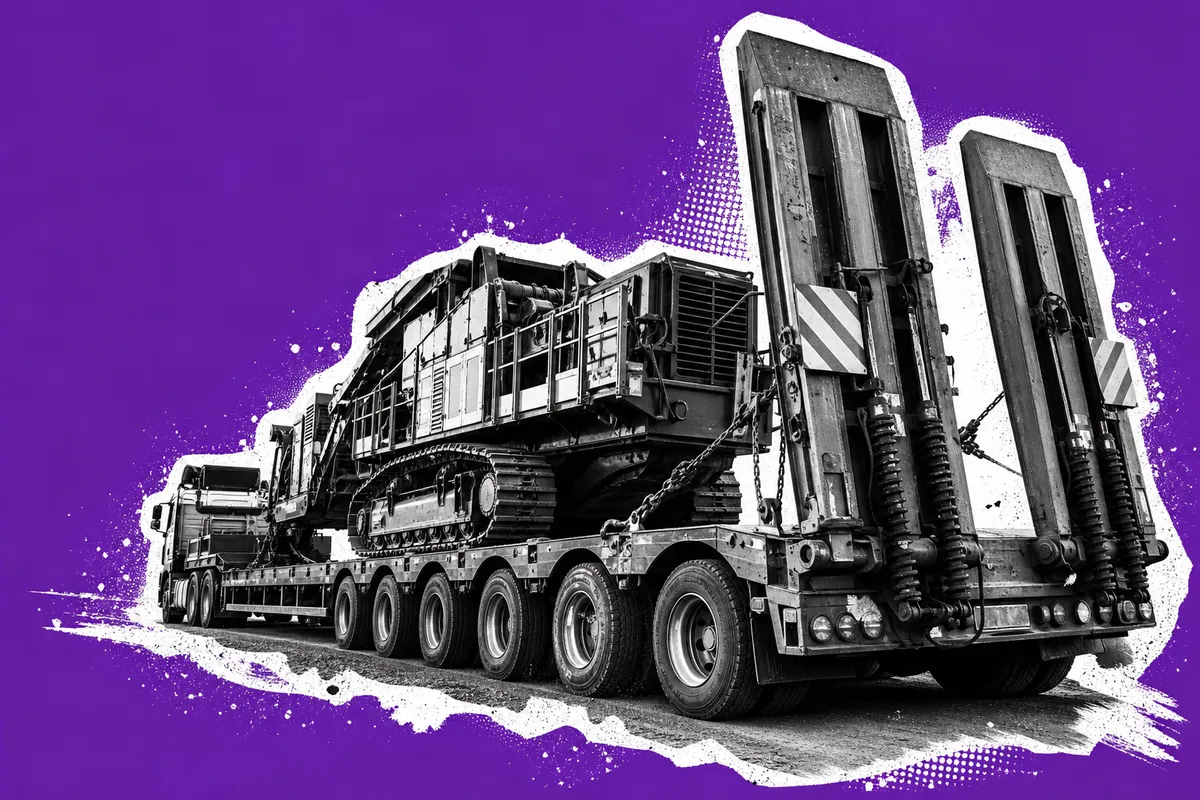
A low loader is a big purchase. Whether you haul excavators, tractors, cranes or industrial plant, the trailer and the unit pulling it can cost as much as a small property. Most businesses do not pay for that in one go, and they do not need to. Finance spreads the cost over a set period so you can start earning from the asset straight away. This guide explains how low loader finance works, what it typically costs, and what to check before you commit.
Who Tends to Look at This Kind of Funding
This is aimed at UK plant hire firms, groundworks and civils contractors, agricultural businesses, recovery operators and owner-drivers in heavy haulage. It is equally relevant if you are buying your first low loader, replacing an ageing trailer, or adding capacity to take on larger contracts than your current fleet allows.
What Low Loader Finance Actually Is
Low loader finance is a form of asset finance. Rather than buying the trailer or tractor unit outright, you agree to make regular payments to a lender over an agreed term, usually somewhere between two and seven years. The asset itself normally acts as the security for the agreement, which is why lenders can often offer competitive rates without demanding property or other collateral.
The main routes are hire purchase, where you pay in instalments and own the low loader once the final payment and any option-to-purchase fee is settled, and leasing or contract hire, where you pay to use the asset for a fixed period and hand it back at the end. Some lenders also offer finance lease arrangements, where you keep using the asset beyond the primary term for a small annual rental.
Hire purchase leads to ownership. Leasing gives you use of the asset without the burden of eventual resale.
Finance can cover new or used low loaders, including step-frame, extendable and multi-axle trailers, and it can be arranged through dealers, auctions or private sales.
How the Process Usually Runs
You start by identifying the low loader you want and the price, including VAT, delivery and any modifications. A broker or lender will then look at your business: how long you have traded, your accounts or management figures, bank conduct, and any existing finance commitments. Sole traders and newer businesses can still be considered, though a personal guarantee or a larger deposit may be requested.
A typical deposit sits between 10% and 20% of the purchase price, although some agreements can be arranged with no deposit where the asset and covenant are strong. VAT is often payable upfront on hire purchase, so plan for that in your cash flow, and remember you may be able to reclaim it in your next return.
Once terms are agreed and documents signed, the lender pays the seller directly and you begin your monthly payments. Many agreements include a balloon payment at the end to keep monthly costs lower, and some allow seasonal or stepped payment profiles that match uneven trading patterns in construction and agriculture.
Why Businesses Choose to Finance Rather Than Buy Outright
The clearest benefit is cash preservation. A low loader can tie up a very large amount of working capital, and that money is often more useful covering wages, fuel, insurance and unexpected repairs. Finance turns a single heavy outlay into predictable monthly payments you can price into your contract rates.
There is also a timing argument. If a contract is available now, waiting to save the full purchase price may mean losing the work. Finance lets the asset start generating revenue immediately, in many cases covering its own repayments.
Tax treatment can be favourable too. Interest and, depending on the agreement type, rental payments may be an allowable business expense, and capital allowances may apply to hire purchase. The rules are detailed and depend on your circumstances, so speak to your accountant rather than assuming.
Finally, spreading cost across a fleet is easier. Rather than one asset consuming your reserves, you can plan replacements on a rolling basis and keep equipment newer, safer and more reliable.
Weighing It Up
| Advantages | Drawbacks |
|---|---|
| Spreads a large cost into manageable monthly payments | You pay more in total than the cash price once interest is added |
| Preserves working capital for day-to-day trading | The asset is usually at risk if you fall behind on payments |
| Asset often acts as its own security, so property may not be needed | Deposits and upfront VAT can still require meaningful cash |
| Fixed payments make budgeting and contract pricing easier | Early settlement may attract charges or unrecovered interest |
| Hire purchase leads to full ownership at the end | Leasing means no ownership and possible condition or mileage terms |
| Payment profiles can be shaped around seasonal income | Personal guarantees may be requested from directors or owners |
Details Worth Reading Twice
Look past the monthly figure. Compare the total amount payable and the APR or flat rate, because two quotes with similar monthly payments can differ significantly in overall cost once term length and fees are included. Check documentation fees, option-to-purchase fees and any arrangement charges.
If your agreement includes a balloon payment, understand exactly what you will owe at the end and how you plan to cover it. Refinancing that balloon is sometimes possible but not guaranteed. On leases, read the return conditions carefully; damage, wear or missing equipment can lead to end-of-contract charges.
Make sure the asset is properly inspected before purchase, particularly with used low loaders where chassis condition, ramps, axles and braking systems matter enormously. Confirm the seller has clear title and no outstanding finance.
Finally, be realistic about affordability. Base your calculations on quieter months, not your best ones, and factor in insurance, maintenance, tyres and compliance costs alongside the finance payment.
Other Routes You Could Consider
- Hire purchase - fixed instalments leading to ownership, ideal if you intend to keep the low loader long term.
- Finance lease - lower upfront cost with continued use, suitable where ownership is not the priority.
- Contract hire or operating lease - fixed-term use with the asset returned at the end, often with maintenance bundled in.
- Refinance of existing assets - releasing capital from trailers or units you already own outright.
- Short-term hire - renting a low loader for specific jobs, sensible if demand is occasional or unpredictable.
- Business loan or overdraft - unsecured or secured borrowing where you prefer to own the asset from day one.
- Buying outright from reserves - the cheapest total cost if the cash is genuinely surplus to requirements.
Common Questions
Can I finance a used low loader? Yes. Many lenders fund used trailers and units, though the age and condition of the asset may affect the maximum term and the rate offered.
Do I need a deposit? Often, yes. Around 10% to 20% is common, but some agreements can be arranged with little or no deposit depending on your trading history and the asset.
Will applying affect my credit file? A quote or eligibility check may use a soft search that leaves no lasting mark. A full application usually involves a hard search, which is recorded.
Can new businesses get low loader finance? It is possible. Lenders may ask for a larger deposit, a personal guarantee, or evidence of contracts in place.
What happens if I miss payments? Contact the lender early. Missed payments can lead to charges, credit file damage and, ultimately, repossession of the asset.
Is VAT included in the finance? On hire purchase, VAT is often payable upfront. Some lenders offer VAT funding facilities. Always confirm before signing.
Where Kandoo Fits In
Kandoo is a UK motor finance broker, not a lender. That means we look across a panel of lenders to find options that suit your circumstances rather than pushing a single product. You can check your eligibility without committing, see clear figures for total cost and monthly payments, and ask questions in plain English before you decide. If low loader finance is not the right answer for you, we will say so.
Important Information
This article is for general information only and is not financial, tax or legal advice. Finance is subject to status, affordability and lender criteria. Rates, terms and availability vary. Your asset may be at risk if you do not keep up repayments. Kandoo is a credit broker, not a lender, and may receive a commission from lenders. Always read your agreement fully and seek independent advice from a qualified accountant or adviser where appropriate.
Buy now, pay monthly
Buy now, pay monthly