Crane Truck Finance: How It Works, Costs and Options
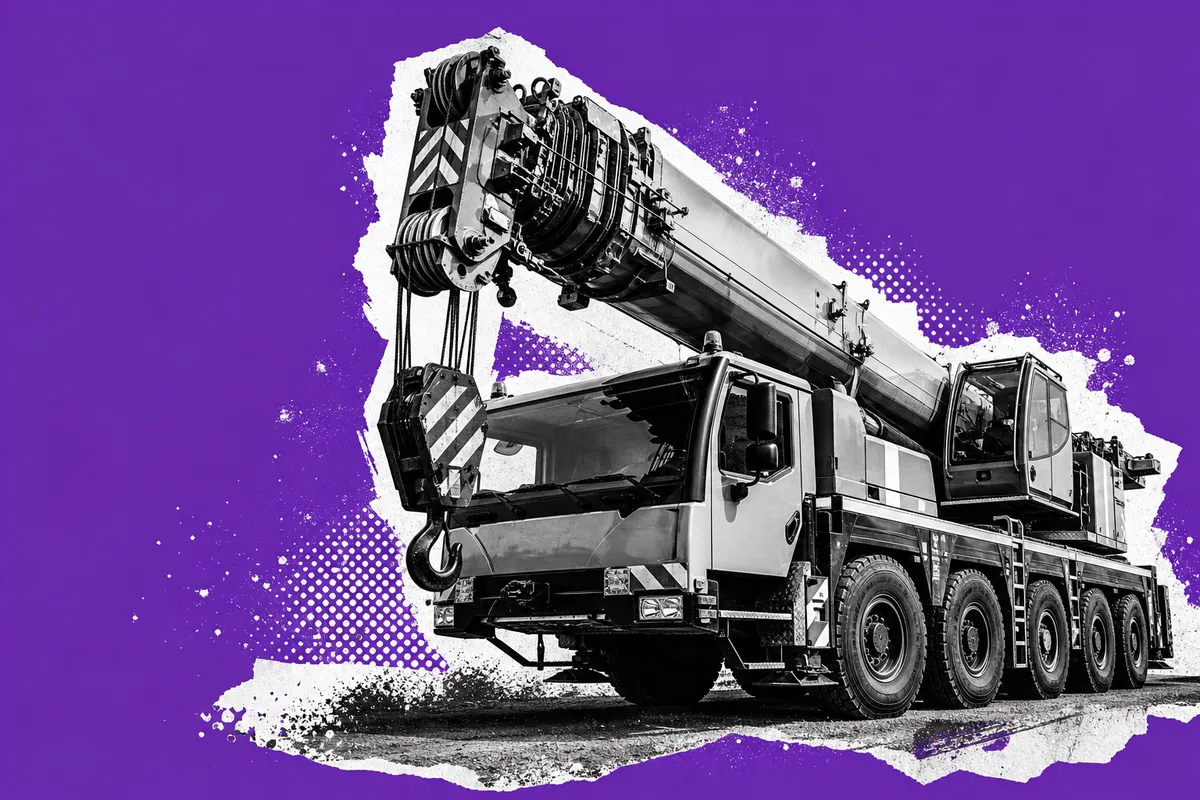
A straightforward way to fund a crane truck
Buying a crane truck can place significant pressure on business cash flow, particularly when you also need money for insurance, maintenance, fuel and operator training. Finance can spread the vehicle's cost over an agreed period instead of requiring one large payment upfront. However, the right arrangement depends on your finances, expected workload and plans for the truck. This guide explains the main choices, costs and risks in plain English.
Businesses this guide is designed for
This guide is for UK sole traders, partnerships and companies considering a new or used crane truck. It may be especially useful for construction firms, haulage operators, utility contractors, builders' merchants and businesses replacing or expanding specialist commercial vehicle fleets.
Understanding crane truck finance
Crane truck finance is funding used to acquire a commercial vehicle fitted with lifting equipment. Rather than paying the full purchase price immediately, your business usually pays a deposit followed by fixed or variable payments over an agreed term.
Hire purchase is a common option. The lender buys the truck, and you make regular payments while using it. Ownership normally transfers to you after all required payments and any purchase fee have been made. A finance lease works differently: the lender retains ownership, while your business pays to use the vehicle. Depending on the agreement, you may continue leasing it, arrange a sale to an independent third party or enter a secondary rental period.
The vehicle will usually act as security for the finance. If payments are missed, the lender may have the right to repossess it, subject to the agreement and applicable law.
Finance can protect working capital, but it creates a contractual payment commitment that must remain affordable during quieter trading periods.
From application to final payment
The process usually begins by choosing a crane truck and establishing its full price, including the chassis, crane, body, installation work and VAT. A broker or lender then considers the required amount, deposit, preferred term and whether a final balloon payment is proposed.
The finance provider will assess the business and the asset. Checks may cover trading history, turnover, filed accounts, bank statements, existing borrowing and the credit records of the business or its directors. Newer businesses may be asked for a larger deposit, additional evidence or a director's personal guarantee. A credit search may also be completed.
If approved, you receive an offer setting out the payments, rate, fees, security and key conditions. Read this before signing. The supplier is normally paid after the paperwork and any checks are complete. You then make payments for the agreed term. With hire purchase, legal ownership generally passes only after the final payment and purchase fee are settled.
Why businesses choose to spread the cost
Crane trucks are expensive working assets, but they can generate income over several years. Matching payments to the vehicle's useful working life may be more manageable than using a large portion of the business's cash reserves at once.
Keeping cash available can help a business meet wages, tax bills, repairs and other operating expenses. Fixed monthly payments can also make budgeting easier, although the total amount repaid will normally be higher than the cash price because of interest and fees.
Finance is not automatically the best choice. A truck needs enough reliable work to justify its payments and running costs. Consider how it would affect cash flow if contracts ended, demand fell or the vehicle was unavailable after a breakdown. Any possible tax or accounting benefits depend on the agreement and your circumstances, so they should be checked with a qualified accountant rather than assumed.
Benefits and drawbacks at a glance
| Potential advantages | Potential disadvantages |
|---|---|
| Spreads a substantial purchase over an agreed term | Interest and fees increase the overall cost |
| May preserve cash for wages, tax and operating expenses | Regular payments continue even if the truck is not earning income |
| Fixed payments can support budgeting | The vehicle may be repossessed following serious payment default |
| Hire purchase can lead to ownership | You may not own the truck until every required payment is made |
| Agreements can sometimes reflect seasonal cash flow | Specialist or seasonal structures may cost more or require lender approval |
| A suitable used vehicle may be financeable | Older vehicles can attract shorter terms, larger deposits or higher rates |
| Business tax treatment may be available in some circumstances | Tax and VAT treatment varies and requires professional advice |
| Finance may support fleet growth without a full cash purchase | Personal guarantees can put a director's or owner's assets at risk |
Details to check before signing
Compare the total amount payable, not just the monthly figure. Check the deposit, interest rate, fees, payment frequency, agreement length and whether there is a balloon or final purchase payment. Ask whether the rate is fixed and what happens if you repay early. Commercial finance quotations do not always display costs in the same way as regulated consumer credit, so request a clear written breakdown.
Confirm exactly what is being financed. The chassis, crane, body, stabilisers and installation may come from different suppliers. Ensure the finished vehicle meets the lender's conditions and that any deposit paid directly to a supplier is protected appropriately.
Inspect used equipment carefully and verify service records, lifting-equipment examinations, mileage, crane hours, payload and maintenance history. Finance approval is not confirmation that the truck is mechanically sound or suitable for your work.
Also check insurance, servicing obligations, mileage restrictions and late-payment consequences. If a personal guarantee is requested, consider independent legal advice because you could become personally responsible for the debt.
Other ways to acquire lifting capacity
Cash purchase: Paying in full avoids finance interest and gives immediate ownership, but it can substantially reduce working capital. Keep enough cash available for tax, repairs and unexpected costs.
Finance lease: Your business pays to use the truck while the finance company retains ownership. This may suit businesses focused on use rather than ownership, but end-of-term responsibilities must be understood.
Operating lease or contract hire: Where available for specialist vehicles, this can provide use for a set period without ownership. Mileage, condition and modification restrictions may apply.
Short-term hire: Hiring can suit temporary projects, uncertain demand or occasional lifting work. Daily or monthly costs may be higher, but the business avoids a long finance commitment.
Refinancing an existing asset: An unencumbered truck or other qualifying business asset may release funds. This places security over an asset already owned and increases borrowing commitments.
General business loan: A secured or unsecured loan may offer more flexibility over the supplier or vehicle. Approval, pricing and personal guarantee requirements depend on the business's circumstances.
Questions crane truck buyers often ask
There is no universal amount. It depends on the lender, vehicle, business profile and type of agreement. A stronger trading history may support a lower deposit, while a start-up, older truck or unusual build could require more. VAT may also need to be paid upfront, depending on the structure.
What affects the interest rate?
Factors can include business credit history, time trading, financial performance, deposit size, agreement length, vehicle age and the amount borrowed. The lender may also consider how easily the specialist truck could be valued and resold. Rates should only be compared alongside fees and the total amount payable.
Can a start-up finance a crane truck?
Possibly, but approval is not guaranteed. A lender may ask for a business plan, cash-flow forecast, relevant industry experience, confirmed contracts, a larger deposit or a personal guarantee. New businesses should avoid basing affordability solely on work that has not yet been secured.
Can used crane trucks be financed?
Many lenders consider used vehicles, subject to age, condition, mileage and valuation. The proposed term may be restricted so the truck is not too old at the end of the agreement. An independent mechanical and crane inspection can help identify issues that a finance assessment will not cover.
Is crane truck finance regulated?
Some agreements may be regulated by the Consumer Credit Act, while many commercial finance agreements are not. This can depend on the borrower, amount, structure and purpose. Ask the broker or lender to explain the regulatory status and what protections apply before signing.
Can I settle the agreement early?
Often, but the method and cost depend on the contract. Request a written settlement figure rather than estimating it from the remaining monthly payments. Early settlement charges, outstanding fees or other conditions may apply.
What happens if my business misses payments?
Contact the lender promptly. Ignoring the situation can lead to charges, credit-record damage, enforcement action or repossession of the vehicle. A personal guarantor may also be pursued where a valid guarantee applies. Early communication may provide more options, although alternative arrangements are not guaranteed.
Does finance approval mean the truck is suitable?
No. The lender's decision mainly concerns credit risk and the asset's acceptability as security. You remain responsible for checking mechanical condition, legal compliance, lifting capacity, payload, dimensions and suitability for the intended work.
How Kandoo can support your search
Kandoo is a UK motor finance broker, not a lender. We can take details about your business, budget and proposed crane truck, then approach suitable lenders from our panel where this type of asset is eligible. We can also help explain available quotations and the main costs before you decide. Approval and terms are subject to status, lender criteria and affordability checks. Kandoo may receive commission from a lender, and relevant commission information should be explained before you proceed.
Important financial information
This guide provides general information and is not personal financial, legal, tax or accounting advice. Finance is subject to status and lender criteria. Missing payments can damage credit records and may result in the vehicle being repossessed. Business owners should obtain professional advice where necessary and confirm the agreement's regulatory status, tax treatment and affordability before signing.
Buy now, pay monthly
Buy now, pay monthly