Concrete Mixer Truck Finance: How It Works, Costs and Options
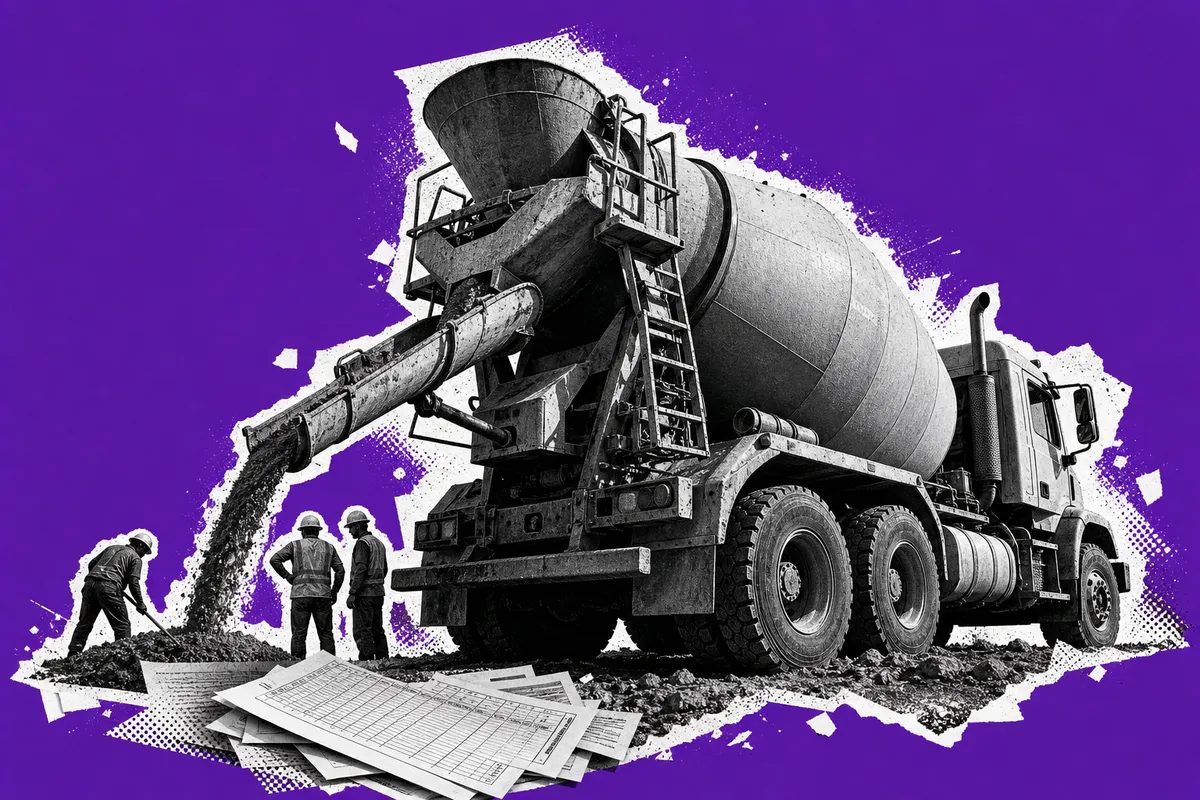
Funding a Concrete Mixer Without the Confusion
A concrete mixer truck can be a major investment, whether you are replacing an older vehicle, taking on more contracts or starting a new operation. Finance may help spread the cost rather than requiring the full purchase price upfront. However, the right arrangement depends on your cash flow, tax position and plans for the truck. This guide explains the main UK finance options, costs and risks in plain English, so you can make a properly informed decision.
Is This Guide Relevant to You?
This guide is for UK sole traders, partnerships and limited companies considering finance for a new or used concrete mixer truck. It may also help established operators comparing replacement, expansion or refinancing options. Finance availability and regulatory protection can differ according to your business structure and the purpose of the borrowing.
What Concrete Mixer Truck Finance Means
Concrete mixer truck finance is a way to fund a specialist commercial vehicle without paying its entire price immediately. A lender or finance provider supplies the funding, and you make agreed payments over a fixed period. Depending on the agreement, you may own the vehicle at the end, have an option to purchase it or return it without taking ownership.
Common arrangements include hire purchase, lease purchase and finance leasing. Some operators may also use asset refinancing to release funds from a truck they already own. The vehicle will usually act as security, which means the finance provider may repossess it if repayments are not maintained.
The lowest monthly payment is not automatically the cheapest option. Always compare the deposit, interest, fees, final payment and total amount payable.
Commercial vehicle finance may be regulated or unregulated depending on the customer, agreement and circumstances. This affects the protections available if something goes wrong.
From Application to Final Payment
The process usually begins with choosing a truck and establishing its purchase price, age, mileage, condition and specification. You then provide information about yourself or your business, which may include trading history, bank statements, accounts, turnover, existing borrowing and details of expected vehicle use.
The finance provider assesses affordability and risk before deciding whether to offer funding. It may conduct credit checks on the business, its directors or the individual applicant. If approved, the quotation should show the deposit, repayment term, monthly cost, interest or finance charges, fees and any final payment.
Once the documents have been signed and the relevant conditions met, the funder normally pays the supplying dealer. You take delivery and begin making payments. Ownership depends on the agreement. With hire purchase, ownership generally transfers after all required payments and any purchase fee are made. With leasing, the finance provider normally retains ownership.
Read every document before signing, including any personal guarantee and early settlement conditions.
Why Operators Choose to Spread the Cost
Financing a concrete mixer truck can protect working capital that may be needed for wages, fuel, insurance, maintenance and materials. Predictable monthly payments can also make budgeting easier, particularly where the vehicle is expected to generate revenue over several years.
Finance may allow a business to acquire a newer or more suitable truck sooner than it could through cash savings alone. A newer vehicle might offer improved reliability, emissions compliance or operating efficiency, although those benefits should never be assumed without checking the individual model and its condition.
There are also risks. Repayments continue even if work slows down or the truck is temporarily off the road. The overall amount paid will normally exceed the cash price, and late payments can affect credit records or lead to enforcement action. The commercial benefit therefore depends on realistic contract income, operating costs and contingency planning, not simply whether the monthly repayment appears affordable.
Benefits and Trade-Offs at a Glance
| Potential benefits | Possible drawbacks |
|---|---|
| Spreads a significant purchase cost over an agreed term | Interest and fees increase the overall cost |
| Can preserve cash for day-to-day business expenses | The truck may be repossessed if secured payments are missed |
| Fixed payments may support cash-flow planning | Long agreements can restrict future flexibility |
| May provide access to newer or higher-specification equipment | A deposit or advance rental may be required |
| Some agreements lead to ownership after all payments are made | Ownership is not available under every type of lease |
| Repayment terms can sometimes be matched to the asset's expected use | Personal guarantees may put personal assets at risk |
| Potential tax treatment may support the business case | Tax treatment varies and requires professional advice |
Costs, Conditions and Operational Risks to Check
Look beyond the advertised monthly figure. Ask for the cash price, deposit, total finance charge, documentation or arrangement fees, monthly payments, final payment and total amount payable. If an APR is not provided on an unregulated commercial agreement, compare the complete cost in pounds and ensure quotations cover the same term and deposit.
Check whether VAT must be paid upfront or spread through rentals. VAT and tax treatment depend on the agreement and your circumstances, so confirm the position with a qualified accountant rather than relying on general examples.
Inspect used trucks carefully. Drum condition, hydraulic systems, chassis wear, mileage, service history and previous workload can affect reliability and resale value. An independent mechanical inspection may be worthwhile.
You should also budget for commercial vehicle insurance, servicing, tyres, fuel, breakdowns and compliance. Depending on how the truck is operated, relevant requirements may include an operator's licence, suitable driving entitlement, Driver CPC, testing, maintenance records and local emissions charges. Verify current rules through GOV.UK and the relevant transport authorities.
Other Ways to Acquire or Use a Mixer
- Cash purchase: Paying in full avoids finance interest and scheduled repayments, but it can use a large amount of working capital. Consider whether enough cash would remain for repairs, tax and quieter trading periods.
- Contract hire or operating lease: You pay to use the truck for a set period without planning to own it. Mileage, condition and usage restrictions may apply, and specialist mixer availability can be limited.
- Short-term rental: Hiring may suit a temporary contract, seasonal demand or a trial period. It provides flexibility but can be more expensive over prolonged use.
- Lease purchase: Monthly payments may be reduced by placing a larger amount at the end. That final payment must be planned for and may create refinancing risk.
- Asset refinancing: An eligible truck or other business asset may be used to release capital. This introduces secured borrowing and can put an existing asset at risk if payments are missed.
- Subcontracting: Using another operator may avoid ownership and maintenance costs. However, availability, service standards and margins may be harder to control.
Concrete Mixer Finance Questions Answered
Yes, subject to approval. Finance providers commonly consider used specialist vehicles, but limits may apply to age, mileage, condition, value and the proposed term. An older truck may require a larger deposit or shorter agreement. A mechanical inspection and verified service history can help you assess the operational risk.
How much deposit will I need?
There is no universal deposit. The amount depends on the vehicle, agreement, applicant's credit profile, trading history and lender criteria. A larger deposit can reduce the amount borrowed and monthly payments, but it also uses more cash upfront. Some proposals may be available with a low deposit, although approval is never guaranteed.
Can a new business obtain mixer truck finance?
A start-up may be considered, but lenders may request a business plan, cash-flow forecast, evidence of contracts, industry experience or a larger deposit. A director or owner might also be asked for a personal guarantee. Read independent legal advice before accepting a guarantee because it can make you personally responsible for business debt.
Does applying affect my credit score?
It can. An initial eligibility check may use a soft search, but a full application may involve a hard credit search. The type of search should be explained before it is carried out. Several full applications in a short period can affect how other providers view your credit profile.
What term is available?
Terms vary according to the finance product, vehicle age and provider's policy. A longer term can reduce monthly payments but may increase the total finance cost and leave you paying for an ageing vehicle. The term should reflect the truck's expected useful life and your realistic contract pipeline.
Can I settle the agreement early?
Many agreements allow early settlement, but the calculation and any charges depend on the contract and whether it is regulated. Ask for a written settlement quotation before making a decision. Do not assume that paying early removes every remaining finance charge.
What happens if I miss payments?
Contact the finance provider as soon as possible. Missed payments may lead to charges, credit record damage, default action and repossession of the truck. A personal guarantee could also be enforced. Ignoring the issue usually reduces the options available, so seek independent debt or legal advice promptly if the business is struggling.
Will I own the truck at the end?
That depends on the product. Hire purchase usually leads to ownership after all contractual payments and any option-to-purchase fee are paid. A lease generally does not provide automatic ownership. Confirm the end-of-term position, including any final payment, return conditions or purchase option, in writing.
How Kandoo Supports Your Finance Search
Kandoo is a UK motor finance broker, not a lender. We can help you explore suitable finance options from available providers and explain the key figures so you can compare them more clearly. Any application remains subject to status, affordability checks and lender approval. Before proceeding, review the agreement terms, regulatory status, fees and any commission disclosure carefully. Finance should fit your business finances and intended vehicle use, not just your preferred monthly budget.
Important Information Before You Apply
This guide provides general information and is not personal financial, legal, tax or accounting advice. Finance availability, costs and protections depend on your circumstances and the agreement offered. Consider independent professional advice before committing, particularly where tax treatment, a personal guarantee or an unregulated business agreement is involved. Your vehicle may be at risk if secured repayments are not maintained.
Buy now, pay monthly
Buy now, pay monthly