Gritter Truck Finance: How It Works, Costs and Options
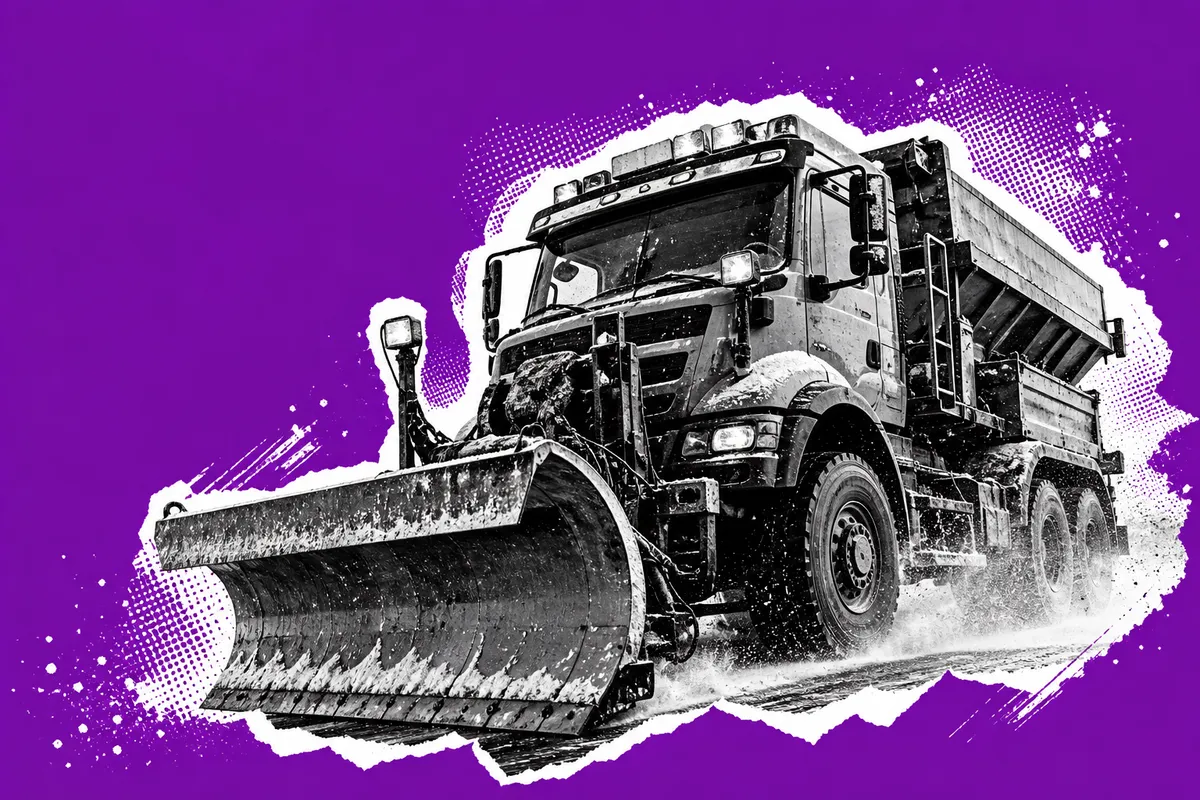
Funding a Gritter Without Freezing Cash Flow
A gritter truck can be essential for keeping roads, car parks and business sites safe during winter, but buying one outright may place pressure on cash reserves. Finance can spread the cost over an agreed period, making expenditure more predictable. The right arrangement depends on the vehicle, your organisation's finances and whether you want to own the truck. This guide explains the main options, costs and checks in plain English.
Businesses This Guide Is Designed For
This guide is for UK businesses, contractors, local authorities, estates and facilities teams considering a new or used gritter truck. It may also help operators financing a commercial vehicle with a removable spreader, snow plough or other winter maintenance equipment.
What Gritter Truck Finance Means
Gritter truck finance is a broad term for funding used to acquire a specialist winter maintenance vehicle. Depending on the agreement, finance may cover the truck, its gritting equipment and sometimes related modifications. Approval is not automatic, and some lenders may treat specialist attachments separately from the underlying vehicle.
Common structures include hire purchase, finance lease, operating lease and a business loan. Hire purchase normally spreads the purchase price across a deposit and monthly payments, with ownership available after all required payments and any option-to-purchase fee have been made. A lease usually gives the business use of the vehicle without automatically transferring ownership.
The agreement may be regulated or unregulated depending on factors such as the borrower, amount, business purpose and legal structure. Your pre-contract documents should state the position clearly.
How the Funding Process Usually Works
You normally begin by choosing the vehicle and establishing its full price, including the chassis, gritter body, spreader, plough, delivery and VAT where applicable. A broker or lender then asks about your business, trading history, expected use, affordability and preferred deposit and term.
The provider may review company accounts, bank statements, management figures, credit history and details of the vehicle. Newer businesses may be asked for a larger deposit, a director's guarantee or additional evidence of contracts and income. These requirements vary and should be considered carefully before acceptance.
If approved, you receive an offer showing the deposit, payment schedule, interest or rental charges, fees and total amount payable. Read this before signing. Funds are generally paid to the supplying dealer after checks are complete, although the exact process depends on the finance product and supplier.
Why Operators Choose to Finance
The main reason to use gritter truck finance is to avoid paying the entire cost upfront. Retaining working capital may help a business cover wages, fuel, salt, insurance, repairs and other operating expenses. Fixed payments can also make budgeting easier, although variable-rate products may change in cost.
Finance may allow an operator to obtain a newer or better-equipped truck than an immediate cash purchase would permit. Newer equipment may offer improved reliability, but finance does not remove maintenance, downtime or depreciation risk.
Seasonality matters. A gritter may generate most of its income during colder months, while repayments usually continue throughout the year. Before borrowing, test whether payments remain affordable during mild winters, delayed contracts or periods when the vehicle is not working.
Finance should support a sustainable operating plan, not depend on perfect weather or guaranteed work.
Benefits and Trade-Offs Side by Side
| Potential benefits | Possible disadvantages |
|---|---|
| Spreads a substantial purchase cost over time | Interest, rentals and fees increase the overall cost |
| Helps preserve cash for day-to-day operations | Payments usually continue outside the gritting season |
| May provide access to newer vehicles and equipment | Missed payments can damage credit and may lead to repossession or other recovery action |
| Fixed payments can support budgeting where the rate is fixed | Early settlement or contract changes may involve charges |
| Some structures can lead to ownership | Leasing may restrict modifications, use or disposal |
| Terms may be tailored to the vehicle's expected working life | A deposit, guarantee or extra security may be required |
The practical balance depends on the agreement. Compare both the monthly commitment and total cost rather than choosing the lowest-looking payment.
Checks to Make Before Signing
Confirm exactly what is being financed. The invoice should identify the truck, spreader, plough, controls and modifications, and clarify whether VAT is included. Check the interest rate or rental basis, all fees, total amount payable, payment frequency and whether a final balloon payment is due. A balloon can reduce regular payments but leaves a larger amount to deal with later.
Used gritters need careful inspection. Look at mileage, engine hours, corrosion, hydraulic systems, calibration equipment and maintenance records. Confirm that the vehicle and attachments are suitable for the intended work, payload and road use. An independent mechanical inspection may be worthwhile.
Also review early settlement rules, mileage limits, maintenance duties, insurance requirements and end-of-contract conditions. If a personal guarantee is requested, obtain independent advice so the guarantor understands that personal assets may be at risk.
Never rely on the monthly figure alone. The deposit, final payment, fees and ownership position are equally important.
Other Ways to Secure Winter Equipment
- Buy outright: Paying cash avoids borrowing costs and gives immediate ownership, but it ties up capital and leaves the buyer with depreciation and resale risk.
- Hire for the winter: Short-term or seasonal hire may suit occasional demand. Availability can be limited during severe weather, and repeated hiring may become expensive.
- Lease a complete vehicle: Leasing can provide planned payments without an ownership objective. Check mileage, condition, maintenance and return requirements.
- Finance a standard truck and buy the equipment separately: This can offer flexibility, but both funders must accept the proposed modifications and security arrangements.
- Use an existing vehicle with a removable spreader: A suitable truck may be converted for seasonal use, subject to payload, compatibility, insurance and safety checks.
- Take a general business loan: Funds may be used more flexibly, although rates, security and repayment terms can differ from asset-backed vehicle finance.
- Subcontract gritting work: Outsourcing removes the need to own equipment but reduces operational control and may carry availability or contract-management risks.
Questions Businesses Commonly Ask
Can I finance a used gritter truck?
Potentially, yes. Eligibility usually depends on the vehicle's age, condition, value, mileage or operating hours and the lender's criteria. Older specialist vehicles may attract shorter terms or require a larger deposit because their future value can be harder to assess.
How much deposit will I need?
There is no universal figure. The required deposit can depend on your trading history, credit profile, vehicle age, finance product and overall affordability. A larger deposit may reduce the amount borrowed, but it also uses more cash upfront.
What affects the cost of gritter truck finance?
Key factors include the amount financed, deposit, agreement length, interest rate, fees, final payment and the borrower's financial position. Vehicle age and specialist equipment can also influence pricing. Compare the total amount payable on like-for-like terms.
Can a new business apply?
A new business may be considered, but lenders often ask for stronger supporting evidence. This might include business plans, bank statements, confirmed contracts, industry experience, a larger deposit or a director's guarantee. Approval and terms are never guaranteed.
Can repayments be arranged around winter income?
Some providers may consider seasonal payment profiles, but availability varies. Check whether this genuinely reduces pressure or simply moves larger payments into certain months. The business still needs a plan for a mild winter or loss of a contract.
Is a balloon payment a good idea?
A balloon payment can lower regular payments because part of the capital is deferred until the end. However, you must be able to pay or refinance that amount when due. Refinancing is not guaranteed, so the final payment should be included in your affordability planning from the start.
Who owns the truck during the agreement?
That depends on the product. Under hire purchase, the finance provider generally owns the vehicle until all required payments and the option-to-purchase fee are made. Under a lease, ownership normally remains with the leasing company. Check the contract rather than assuming ownership will transfer.
Can I claim VAT or tax relief?
Tax and VAT treatment depends on the agreement, business circumstances and how the vehicle is used. It can also change over time. Ask a qualified accountant or tax adviser to assess the specific transaction before relying on any tax benefit.
What happens if payments are missed?
Missed payments may lead to charges, credit-record damage, enforcement action or loss of the vehicle, depending on the agreement. Contact the provider promptly if difficulties arise. Do not wait until several payments have been missed.
Is gritter truck finance protected by the Consumer Credit Act?
Some business finance agreements may be regulated, while others may be exempt or unregulated. The outcome depends on the borrower, agreement value, purpose and structure. The lender or broker should explain the status before you sign, including which protections apply.
How Kandoo Can Support Your Search
Kandoo is a UK motor finance broker. We can help you explore available vehicle finance options, explain proposed terms and present an application to suitable providers where the vehicle and circumstances meet their criteria. Kandoo is not the lender, and approval, rates and terms depend on assessment. Before proceeding, review the broker disclosure, commission information and finance documents so you understand the costs and Kandoo's role.
Important Financial Information
This guide provides general information, not personal financial, legal or tax advice. Finance is subject to status, affordability checks and lender criteria. Terms, protections and vehicle eligibility vary. Consider independent professional advice and make sure repayments remain affordable throughout the agreement. Your vehicle may be at risk if required payments are not maintained.
Buy now, pay monthly
Buy now, pay monthly