Articulated Lorry Finance: How It Works, Costs and Options
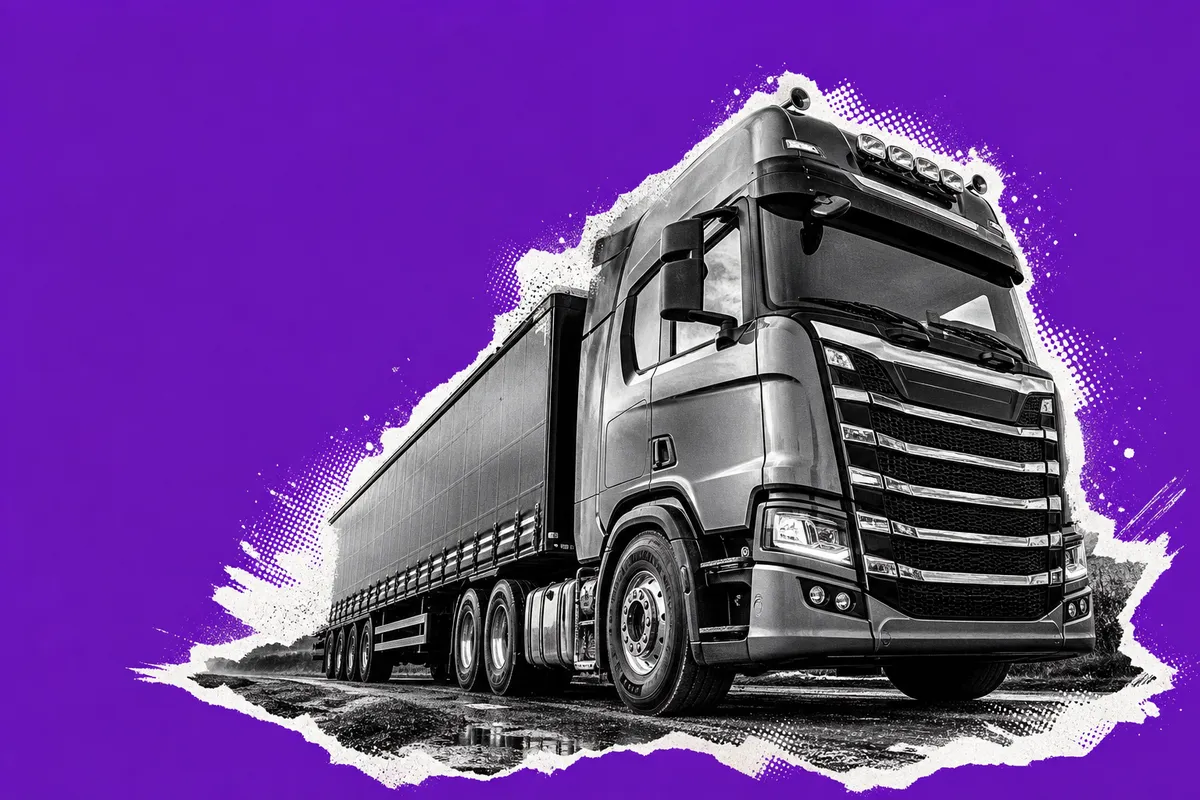
Buying An Artic Without Paying For It All Upfront
An articulated lorry is one of the biggest single purchases a haulage business will ever make. Very few operators pay for one outright, and there is no reason you should have to. Articulated lorry finance simply lets you spread the cost of a tractor unit, or a unit and trailer, over an agreed period while the vehicle earns money for you.
This guide explains, in plain English, how that finance works, what it typically costs, what to watch for, and what your other options are.
Is This Guide Right For You?
This is written for UK owner-drivers, new-start hauliers and established fleet operators who need a tractor unit and want to understand the funding side before committing. It will also help anyone comparing quotes, weighing up ownership against leasing, or simply wanting to know what a lender will ask for.
What Articulated Lorry Finance Actually Is
Articulated lorry finance is a form of asset finance. Rather than lending against your business generally, the lender lends against the vehicle itself, which acts as the security for the agreement. That structure is why HGV finance is often available to businesses that would struggle to get an equivalent unsecured loan.
In practice, it usually takes one of a few shapes. Hire purchase spreads the cost over monthly payments and you own the lorry once the final payment and any option-to-purchase fee is made. Finance lease lets you use the vehicle for a set term with the lender retaining ownership, often with a balloon or secondary rental at the end. Contract hire, sometimes called operating lease, is closer to long-term rental with maintenance and disposal risk sitting with the funder. There are also unsecured business loans and refinance arrangements that release cash from lorries you already own.
The right structure depends less on the vehicle and more on whether you want to own the asset at the end.
How The Process Works From Enquiry To Keys
Most applications follow a similar path. You identify the lorry and the supplier, whether that is a main dealer, a specialist HGV trader or a private sale. You then approach a lender or a broker with details of the vehicle, the price, the deposit you can put down and the term you want, typically between two and five years.
The lender assesses two things: you and the asset. For you, that means credit history, trading history, accounts or management figures, bank statements and sometimes a director's guarantee. For the asset, they look at age, mileage, condition, Euro emissions standard and how easily it could be resold if payments stopped.
Once approved, you receive documentation setting out the monthly payment, the total amount payable, the APR or flat rate, fees and any balloon. After signing, the lender pays the supplier directly and you take delivery. Payments then usually begin around a month later, sometimes with a first payment taken on delivery.
New businesses may be asked for a larger deposit or additional security. That is normal, not a rejection.
Why Operators Choose Finance Over Cash
Cash flow is the main reason. A used artic can cost anywhere from around twenty thousand pounds to well over a hundred thousand for a new unit with a high specification. Paying that upfront drains working capital that you need for fuel, wages, insurance, tyres and repairs, which are the costs that actually keep a haulage business moving.
Finance also matches the cost of the vehicle to the income it generates. If a lorry is on the road earning revenue every week, spreading the payment across its working life is a logical way to fund it. Fixed monthly payments make forecasting and rate-setting far easier when you are quoting jobs.
There can be tax and accounting advantages too, including the treatment of interest, capital allowances or rentals depending on the agreement type, though this genuinely varies and your accountant is the right person to confirm your position. Finally, sensible, well-managed asset finance can help build a credit profile that makes future fleet expansion easier.
Weighing Up The Trade-Offs
| Advantages | Drawbacks |
|---|---|
| Preserves working capital for fuel, wages and repairs | Total cost is higher than paying cash due to interest and fees |
| Fixed monthly payments make budgeting and job pricing easier | The lorry can be repossessed if you fall behind on payments |
| Secured against the vehicle, so often easier to obtain than unsecured lending | New or lower-credit businesses may face larger deposits or a personal guarantee |
| Choice of ownership (hire purchase) or use only (lease, contract hire) | Leases may include mileage or condition restrictions and end-of-term charges |
| Can fund used as well as new units, and unit plus trailer together | Balloon payments can create a large lump sum at the end of the term |
| Potential tax efficiencies depending on structure | You are committed for the full term, and early settlement may carry a cost |
Details That Deserve A Second Look
Always compare the total amount payable, not just the monthly figure. A longer term or a large balloon can make a payment look comfortable while significantly increasing what you pay overall. Ask for the APR or the flat rate, and ask what fees are included, such as documentation fees, option-to-purchase fees and any charges for late payment.
Check how the agreement handles the end of the term. With a balloon, do you have a realistic plan to pay it, refinance it or sell the vehicle? With a lease, what are the return conditions, and could excess mileage or damage trigger charges?
Be clear on ownership. Under hire purchase and lease agreements you do not own the vehicle until the terms are met, so you cannot sell it freely. Confirm insurance requirements, as lenders typically expect comprehensive cover and may want to be noted on the policy.
Finally, be honest with yourself about affordability across quieter months, not just your best trading weeks.
Other Ways To Fund A Tractor Unit
- Hire purchase - spread the cost and own the lorry outright at the end of the agreement, usually the default choice for operators who want the asset on their balance sheet.
- Finance lease - lower initial outlay with the funder retaining ownership, often used where flexibility matters more than eventual ownership.
- Contract hire or operating lease - fixed monthly rental, frequently bundled with maintenance, with the vehicle returned at the end and no residual value risk.
- Unsecured business loan - funds the purchase without securing against the lorry, though rates and available amounts depend heavily on your trading history.
- Refinancing existing vehicles - releases cash tied up in lorries or trailers you already own, which can then fund the next unit.
- Spot hire or short-term rental - useful for seasonal peaks or covering breakdowns without a long commitment.
- Buying outright with cash or reserves - the cheapest option overall if your working capital genuinely allows it.
Common Questions From Hauliers
Can I get articulated lorry finance as a new business? Yes, in many cases. New-start operators are often asked for a larger deposit, more detailed forecasts or a personal guarantee from a director, but a lack of trading history is not automatically a barrier.
How much deposit will I need? It varies widely. Some agreements are available with little or no deposit, while others may look for ten to twenty percent, particularly for older vehicles or newer businesses. A bigger deposit generally reduces your monthly payment and total interest.
Can I finance a used lorry? Yes. Used HGV finance is very common. Lenders will look closely at age, mileage, condition and emissions standard, and older vehicles may attract shorter terms or higher rates.
Can I finance the trailer as well as the unit? Often yes, either on the same agreement or a separate one. Trailers, tail lifts and other equipment can usually be funded through asset finance.
Will applying affect my credit score? A full application typically involves a credit search. Many brokers can carry out an initial assessment first so you understand your likely options before a formal application is submitted.
What happens if I want to settle early? Most agreements allow early settlement, though the amount payable may include some future interest or a fee. Ask for a settlement illustration before you sign.
Where Kandoo Fits In
Kandoo is a UK motor finance broker, not a lender. That means we can look at your circumstances and search across a panel of lenders to find the options that realistically fit, rather than pushing a single product. We will explain the difference between agreement types in plain terms, set out the total cost so you can compare properly, and be straight with you if finance is not the right move right now. No pressure, no jargon.
Important Information
This article is general information only and is not financial, tax or legal advice. Finance is subject to status, affordability checks and lender criteria. Rates, terms and availability vary, and your vehicle may be at risk if you do not keep up repayments. Always read your agreement carefully and speak to a qualified accountant or adviser about your own circumstances before committing.
Buy now, pay monthly
Buy now, pay monthly