Scaffolding Lorry Finance: How It Works, Costs and Options
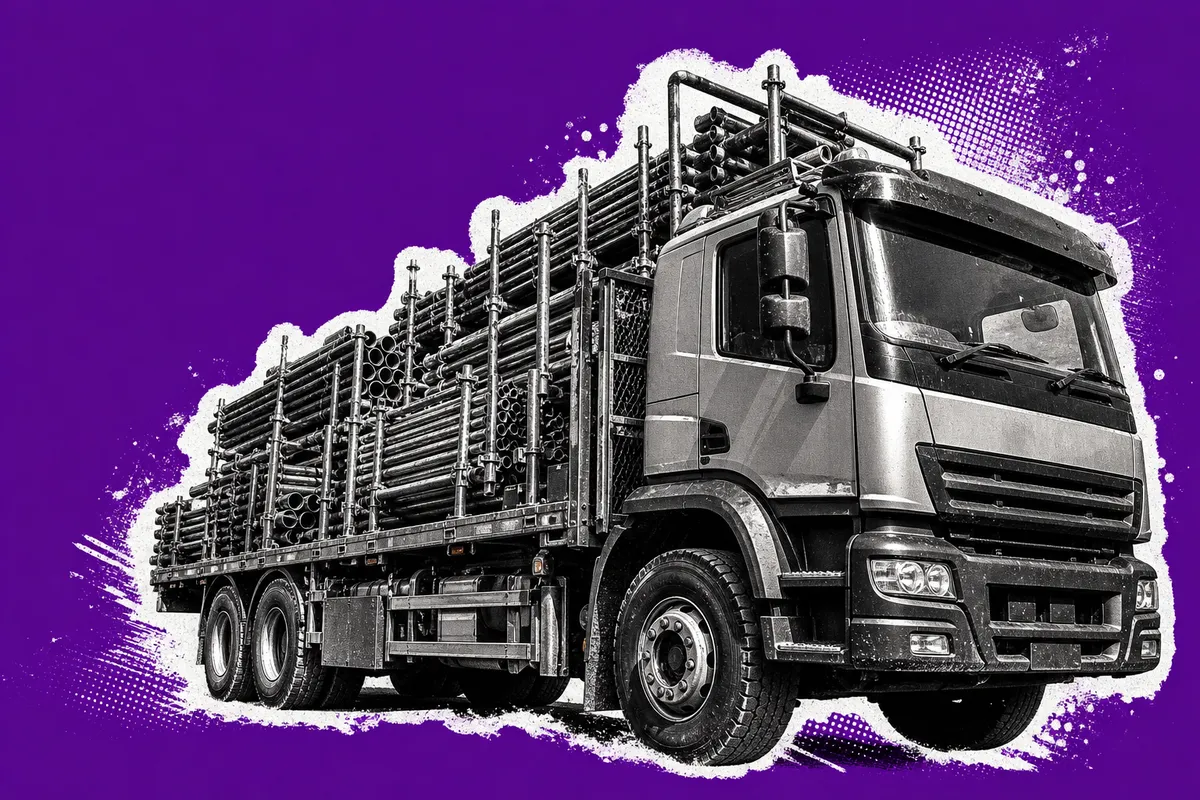
Funding the Lorry That Keeps Your Scaffolding Business Moving
A scaffolding lorry is one of the biggest purchases a scaffolding business will ever make. Buying one outright can tie up thousands of pounds you might need elsewhere, so many firms spread the cost over time instead. That is where finance comes in. This guide explains, in plain English, how scaffolding lorry finance works, what it usually costs, what to watch for and what your alternatives are, so you can decide what genuinely suits your business.
Is This Guide Right for You?
This is written for UK scaffolders, contractors and small fleet operators who need a flatbed, dropside, crane-mounted or HIAB-equipped lorry and want to pay for it monthly rather than upfront. It is equally useful whether you are a sole trader buying your first vehicle or a growing firm adding to a fleet.
What Scaffolding Lorry Finance Actually Means
Scaffolding lorry finance is simply a way of paying for a commercial vehicle over an agreed period instead of in one lump sum. A lender pays for the lorry, and you repay in monthly instalments, usually with interest, over a term that commonly runs from two to five years.
Because a scaffolding lorry is a working asset rather than a family car, it normally falls under commercial or business vehicle finance. That covers standard flatbeds and dropsides as well as specialist builds with mounted cranes, tail lifts, beavertails or reinforced beds for tube and fittings.
The most common arrangements are hire purchase, which leads to ownership at the end, and leasing or contract hire, where you use the vehicle for a set period and hand it back. Some lenders also offer finance lease, which sits between the two. The right choice depends on whether you want to own the lorry long term, how many miles and hours it will do, and how you prefer to manage cash flow.
How the Process Usually Works
You normally start by choosing the lorry, or at least the type and rough budget, because lenders assess the asset as well as the applicant. Age, mileage, condition and any specialist bodywork all affect what funding is available and on what terms.
Next comes the application. A broker or lender will ask about your business, how long you have been trading, your turnover and your credit history. Sole traders and newer businesses may be asked for bank statements, accounts or a personal guarantee. Established limited companies often face lighter checks.
If approved, you receive an offer setting out the deposit, monthly payment, term, interest rate and total amount payable. On hire purchase there may also be an option-to-purchase fee at the end. Once you sign, the lender pays the supplier and you collect the lorry.
Always read the total amount payable, not just the monthly figure. It is the clearest measure of what the agreement really costs.
Payments then run by direct debit for the term. With hire purchase, ownership transfers to you after the final payment.
Why Scaffolding Firms Choose Finance
The main reason is cash flow. Scaffolding work often involves paying for materials, labour and site costs long before invoices are settled, so keeping working capital free matters. Finance lets you put a productive lorry on the road while retaining cash for wages, tube, boards and fittings.
It also makes budgeting simpler. Fixed monthly payments are predictable, which helps when pricing jobs and forecasting. Rather than one large hit to your accounts, the cost is spread across the years the lorry is earning for you.
Finance can also support growth. If turning down contracts because you lack transport is limiting you, a second vehicle funded over several years may pay for itself through the extra work it unlocks. Many businesses can also claim tax relief on interest and, depending on the agreement type, on the asset itself. That said, tax treatment varies by structure and agreement, so it is worth confirming with your accountant before assuming a benefit.
Weighing Up the Benefits and Drawbacks
| Pros | Cons |
|---|---|
| Spreads a large cost over manageable monthly payments | You pay more overall than buying outright due to interest and fees |
| Keeps working capital free for materials, wages and site costs | The lorry can be repossessed if you fall behind on payments |
| Fixed payments make budgeting and job pricing easier | Deposits are often required, especially for newer businesses |
| Hire purchase leads to full ownership of the asset | Leasing means no ownership and possible mileage or condition charges |
| Can allow access to a newer, more reliable, more compliant vehicle | Early settlement may involve additional charges |
| Possible tax advantages depending on structure and agreement | A personal guarantee may be requested from directors or sole traders |
Points Worth Checking Before You Sign
Look closely at the interest rate and whether it is fixed or variable, since a variable rate can raise your payments later. Compare the APR or annual rate across offers rather than the monthly instalment, because a longer term can hide a higher overall cost.
Check the fees. Documentation fees, option-to-purchase fees and early settlement charges all add up. Ask what happens if you want to settle early or part-exchange partway through the term.
With leasing or contract hire, confirm the mileage allowance and the condition standards for return. Scaffolding lorries lead hard lives, and excess wear charges can be significant. Clarify who is responsible for servicing, tyres and MOTs.
Also think about compliance and running costs. Clean Air Zone charges, operator licensing, tachograph rules and weight limits all affect whether a particular lorry is the right buy. Finally, be realistic about affordability across quiet months, not just busy ones, and check whether a personal guarantee is being requested.
Other Ways to Fund the Vehicle
- Hire purchase - spread the cost with fixed payments and own the lorry outright at the end of the term.
- Finance lease - use the vehicle for an agreed period with lower initial outlay, with options at the end of the lease.
- Contract hire or operating lease - rent the lorry for a fixed term, often with maintenance included, and hand it back.
- Unsecured business loan - borrow the cash and buy the lorry yourself, which keeps the asset free of finance.
- Refinancing existing assets - release money tied up in lorries or equipment you already own.
- Buying outright from reserves - avoids interest entirely, but reduces your available working capital.
- Short-term hire - sensible for seasonal peaks or one-off contracts where long-term commitment is not justified.
Common Questions Answered
Can I get scaffolding lorry finance with bad credit? Possibly. Adverse credit does not automatically rule you out, but you may face a higher rate, a larger deposit or a request for a personal guarantee. Some lenders specialise in these cases.
How much deposit will I need? It varies. Some agreements start from little or no deposit, while others ask for around 10% or more, particularly for newer businesses or older, higher-mileage vehicles.
Can a brand new business get finance? Yes, though options are narrower. Lenders often look for a trading history, so start-ups may need a stronger deposit, supporting figures or a guarantee.
Does the finance cover the crane or body conversion? Often yes. Specialist bodywork such as a mounted crane or tail lift can usually be included in the total funded amount, but confirm this in writing.
Can I settle the agreement early? Usually. Ask for a settlement figure in advance, as charges or interest adjustments may apply.
Do I need insurance in place? Yes. Lenders require the vehicle to be properly insured for commercial use throughout the agreement.
Where Kandoo Fits In
Kandoo is a UK motor finance broker, which means we are not tied to a single lender. We take your circumstances and search across our panel to show you the options realistically available, with the rate, term and total cost set out clearly. There is no obligation and no pressure to proceed. If finance is not the right answer for your business right now, we would rather tell you that than push you into an agreement that does not fit.
Important Information
This article is general information only and is not financial, tax or legal advice. Rates, terms and eligibility differ between lenders and depend on your circumstances. Vehicle finance agreements are credit commitments, and missed payments may lead to additional charges or repossession of the vehicle. Please seek independent advice from a qualified adviser or accountant before making a decision. Kandoo is a credit broker, not a lender.
Buy now, pay monthly
Buy now, pay monthly