Mobile Crane Finance: How It Works, Costs and Options
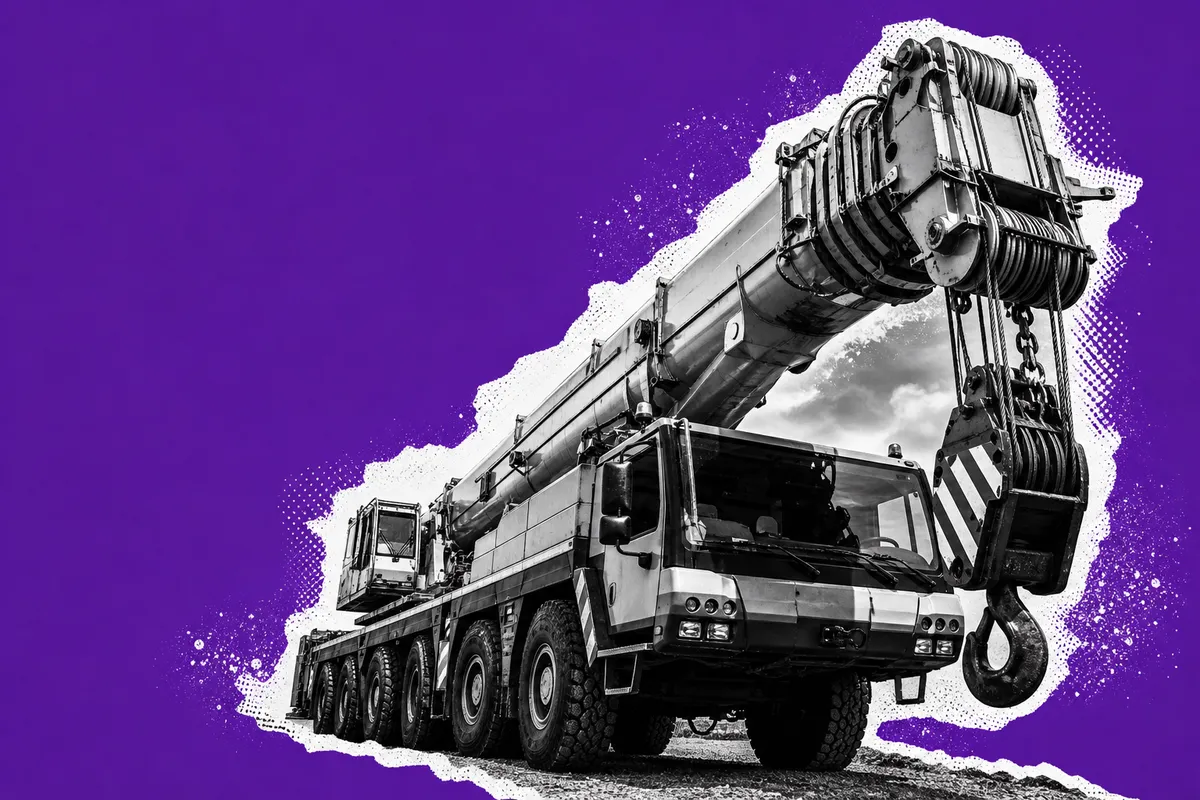
Funding A Crane Without Emptying The Bank Account
A mobile crane is a serious purchase. Even a modest used unit can cost more than a house deposit, and a new all-terrain machine can run well into six or seven figures. Very few businesses pay for one outright, and there is no reason they should have to. Crane finance simply spreads the cost over an agreed period so the machine can start earning while you pay for it. This guide explains how that works, what it typically costs, and what to check before you sign anything.
Is This Guide Written For You?
This is for UK crane hire firms, plant operators, groundworks and construction contractors, scaffolders and owner-operators looking at their first or next machine. It will also help finance managers comparing quotes, and sole traders who want to understand the language lenders use before they pick up the phone.
What Mobile Crane Finance Actually Means
Mobile crane finance is a form of asset finance. Rather than buying the crane with your own working capital, a lender either buys it and lets you use it, or lends you the money with the crane itself acting as the main security. Because the machine has clear resale value, lenders are often more comfortable than they would be with an unsecured business loan.
In practice, most crane deals fall into one of a few shapes. Hire purchase spreads the cost over a term and hands you ownership at the end. A finance lease lets you rent the asset for most of its useful life. An operating lease or contract hire keeps the machine off your books and hands it back at the end. Refinance releases cash from a crane you already own.
The right structure depends less on the crane and more on how long you plan to keep it, and what you want your balance sheet to look like.
Agreements typically run from two to seven years, sometimes longer for high-value new machines with strong residual values.
How The Process Usually Runs
It starts with the machine. You find the crane, whether from a dealer, an auction, a manufacturer or a private seller, and get the specification, year, hours and price in writing. A broker or lender will then ask for a straightforward picture of your business: how long you have traded, recent accounts or management figures, bank statements, details of existing finance, and often confirmation of contracts or expected utilisation.
Underwriting looks at three things in the main. Can the business afford the repayments, is the asset worth what is being paid, and is there a sensible exit if things go wrong. New or younger businesses may be asked for a larger deposit or a personal guarantee from a director.
Once approved, you receive documents setting out the term, the payment amount, any deposit, fees, and whether there is a balloon or final payment. Funds are usually paid directly to the seller, an inspection or invoice check may follow, and repayments begin the following month. Straightforward deals can complete in days; complex or imported machines take longer.
Why Businesses Choose To Finance Rather Than Buy
The simplest reason is cash flow. A crane earns money over years, so it makes sense for the cost to be spread over years too. Paying £250,000 upfront can leave a business unable to cover wages, fuel, insurance or the next opportunity. Fixed monthly payments make forecasting and tendering far easier because you know your cost per month before you quote a job.
There are practical advantages beyond cash. Finance can allow you to buy a better or newer machine than you could otherwise afford, which often means lower downtime and better hire rates. Interest and, depending on the structure, lease payments may be an allowable business expense, and capital allowances can apply to hire purchase agreements - though this is genuinely a conversation for your accountant, not a broker.
Finally, using asset finance keeps other credit lines free. Your overdraft and any working capital facilities stay available for the day-to-day realities of running a plant business, rather than being swallowed by one purchase.
Weighing It Up
| Advantages | Trade-offs |
|---|---|
| Spreads a large cost over the crane's working life | You pay more in total than the cash price once interest is added |
| Preserves working capital and existing credit lines | The lender holds security over the asset until settled |
| Fixed monthly payments help with pricing and forecasting | Missing payments can lead to repossession and credit damage |
| Access to newer, more reliable or higher-capacity machines | Early settlement may involve fees or remaining interest |
| The asset generates income while you pay for it | Directors may be asked for personal guarantees |
| Possible tax and accounting benefits depending on structure | Balloon payments need planning for well in advance |
| Used, imported and specialist cranes can often be funded | Older machines may attract shorter terms or higher rates |
Details Worth Checking Twice
Look past the monthly payment. The figure that matters is the total amount payable, including documentation fees, option-to-purchase fees and any arrangement charges. Two quotes with identical monthly payments can differ by thousands once the final payment is included.
Be clear about who owns the crane and when. Under hire purchase you own it after the final payment; under a lease you may never own it, which matters if you were planning to sell the machine later. Check the early settlement terms too, because businesses often refinance or upgrade sooner than they expect.
With used cranes, condition is everything. Ask about hours, service history, LOLER thorough examination records, wire rope condition and whether the machine has been used offshore or in corrosive environments. Lenders will value it, but the valuation protects them, not you.
Finally, read what the agreement says about insurance, maintenance responsibility, mileage or usage limits, and end-of-term inspection standards. Those clauses are where unexpected costs tend to hide.
Other Routes To The Same Machine
- Hire purchase - fixed payments and ownership at the end, the most common route for businesses that intend to keep the crane long term.
- Finance lease - you rent the crane for most of its life, with payments treated as an operating cost and no automatic ownership.
- Operating lease or contract hire - lower payments, the machine goes back at the end, and the residual value risk sits with the lender.
- Refinance or sale and leaseback - release cash from cranes you already own outright to fund growth or another purchase.
- Cross-hire from another operator - no capital outlay, useful for short-term contracts or covering a peak, but expensive as a permanent solution.
- Unsecured business loan - flexible on how funds are used, though usually smaller sums, shorter terms and higher rates than asset finance.
- Buying outright with cash - no interest at all, but it ties up capital you may need elsewhere.
- Manufacturer or dealer finance - sometimes competitive on new machines, especially with promotional rates, but worth comparing against the wider market.
Questions People Ask Us Most
Can I finance a used mobile crane? Yes. Used cranes are financed routinely. Lenders will look at age, hours, condition and service records, and older machines may mean a shorter term, a larger deposit or a slightly higher rate.
How much deposit will I need? It varies. Established businesses with good accounts sometimes secure deals with little or no deposit, while newer businesses or higher-risk assets might be asked for 10% to 30%. Deposits reduce the amount borrowed and therefore the monthly cost.
What interest rate should I expect? Rates depend on your trading history, credit profile, the deposit, the term and the crane itself. There is no single market rate, which is exactly why comparing more than one quote is worth the effort.
Can a new business get crane finance? Sometimes, though it is harder. Lenders may want a larger deposit, a personal guarantee, evidence of contracts, or director experience in the industry. It is not impossible, but expect more questions.
Will applying affect my credit file? An initial enquiry may involve a soft search that leaves no lasting mark. A full application usually involves a hard search on the business and, where guarantees apply, the directors. Ask before you proceed.
What happens if I want to settle early? Most agreements allow it. You will be given a settlement figure, which may include a proportion of remaining interest or a fee, so check the terms before assuming early repayment saves the full interest.
Do I need to insure the crane? Yes, and the lender will insist on it. Comprehensive cover is normally a condition of the agreement, along with keeping the machine compliant with LOLER inspection requirements.
Where Kandoo Fits In
Kandoo is a UK finance broker, which means we are not tied to one lender's appetite or one dealer's forecourt. We take the details of your business and the machine you want, and put them in front of lenders likely to say yes on sensible terms. You get options laid out plainly, with total costs and fees visible, and no pressure to take any of them. If a deal does not stack up for you, we will say so.
Important Information
This article is general information, not financial, tax or legal advice, and does not take your circumstances into account. Finance is subject to status, affordability checks and lender criteria. Terms, rates and availability vary. Missing payments may result in repossession of the asset and could affect your credit rating. Speak to your accountant about tax treatment, and read all agreements in full before signing.
Buy now, pay monthly
Buy now, pay monthly