Digger Finance: How It Works, Costs and Options
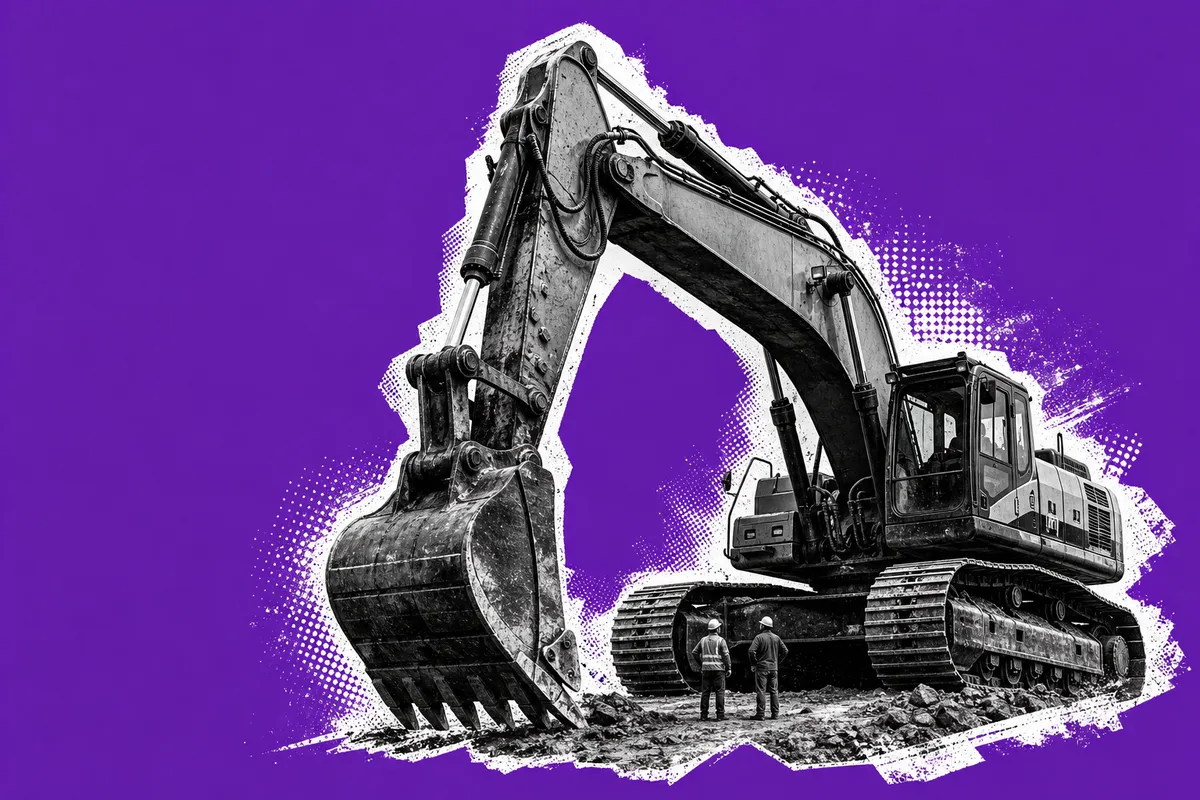
Funding a digger without the confusion
Buying a digger can place significant pressure on your cash flow, particularly if you are starting a business or replacing equipment unexpectedly. Digger finance lets you spread some or all of the cost over an agreed period. However, the deposit, interest, fees, ownership rules and protections can vary. Understanding these details before signing will help you judge whether an agreement is affordable and appropriate for your work.
Is this guide relevant to you?
This guide is for UK sole traders, contractors and businesses considering finance for a new or used digger. It may also help people comparing excavators, mini diggers and other construction equipment, although the finance available depends on the asset and applicant.
What digger finance actually means
Digger finance is a broad term for borrowing or asset finance used to obtain an excavator without paying the full purchase price upfront. Depending on the agreement, you may repay the amount borrowed plus interest, hire the digger for a fixed term, or make a final payment to take ownership.
Common options include hire purchase, finance lease and equipment loans. Hire purchase normally spreads the cost through a deposit and monthly repayments, with ownership transferring after all required payments and any option-to-purchase fee are made. A finance lease generally provides use of the equipment without automatic ownership.
Terms vary between lenders, so the agreement name alone does not tell you everything. Check the total amount payable, interest basis, fees, final payment, ownership position and early termination rules. Finance is subject to status and affordability checks, and approval is never guaranteed.
From application to final payment
You will usually provide details about yourself or your business, the digger and the proposed supplier. A lender may ask for identification, trading history, bank statements, accounts, tax information or evidence of future contracts. It can also assess your credit record and whether the equipment offers suitable security.
If approved, you receive an offer setting out the deposit, repayment term, monthly amount, interest or rental charges, fees and any final payment. Read this carefully before accepting it. The lender may pay the supplier directly once its checks are complete, after which you begin making the agreed repayments.
The digger may remain the finance provider's property during the agreement. You will normally be responsible for insurance, maintenance and secure storage. Missing payments could damage your credit record and may lead to the equipment being repossessed, subject to the agreement and any legal protections that apply.
Why businesses choose equipment finance
The main attraction is cash-flow management. Spreading the cost can leave working capital available for wages, fuel, repairs and other day-to-day expenses. It may also allow a business to obtain equipment sooner rather than waiting until it has saved the full purchase price.
Finance is not automatically cheaper or better than buying outright. Interest, arrangement fees and final payments can make the overall cost higher. Regular repayments can also become difficult if work is seasonal, customers pay late or the digger is unavailable because of damage or mechanical failure.
Tax and VAT treatment may differ between hire purchase, leasing and outright purchase. This depends on the agreement and your circumstances. Do not rely solely on a salesperson's description of possible tax benefits. An accountant or qualified tax adviser can explain the current rules and whether the proposed arrangement fits your business.
Benefits and drawbacks side by side
| Potential benefits | Potential drawbacks |
|---|---|
| Spreads a substantial equipment cost over time | Interest and fees can increase the total cost |
| May preserve cash for operating expenses | Repayments continue even if the digger is not earning income |
| Fixed repayments can support budgeting where offered | Variable-rate borrowing may become more expensive |
| Can provide access to newer or more reliable equipment | The lender may retain ownership during the agreement |
| Hire purchase may lead to ownership after all required payments | A deposit or large final payment may be required |
| Some agreements can be structured around business needs | Late payment could affect credit and put the asset at risk |
| Used equipment may be eligible, subject to lender criteria | Older diggers may face age, condition or term restrictions |
Costs and conditions worth checking
Focus on the total amount payable rather than the monthly figure alone. A low monthly repayment may reflect a longer term or a substantial final payment. Check whether the quoted rate is fixed or variable, whether it is expressed as APR, and which fees are included. Business finance quotations do not always present costs in the same way as regulated consumer credit.
Confirm the deposit, VAT treatment, documentation fees, option-to-purchase fee, late-payment charges and early settlement terms. Ask what happens if the digger is written off, stolen, breaks down or is worth less than the outstanding finance. Insurance may pay market value rather than the full settlement balance.
Regulatory protection can depend on your legal status, the amount borrowed, the purpose of the borrowing and the agreement structure. Some business finance is not regulated by the Financial Conduct Authority. Sole traders and certain small partnerships may receive Consumer Credit Act protections in some circumstances, but exemptions can apply. Ask the broker or lender to confirm the agreement's regulatory status in writing.
Other ways to access a digger
- Buy outright: Paying cash avoids borrowing costs and gives immediate ownership, but it ties up money that may be needed elsewhere.
- Short-term hire: Hiring can suit one-off or occasional projects because you pay for access rather than ownership. Availability and repeated hire charges should be considered.
- Operating lease or contract hire: Some arrangements provide use for an agreed term, sometimes with maintenance included. Mileage, hours, condition and return charges may apply.
- Business loan: An unsecured or secured loan may let you buy the digger directly. Compare the total cost and whether personal or business assets are required as security.
- Manufacturer or dealer funding: Dealers may offer convenient finance, but convenience does not necessarily mean the lowest overall cost. Compare the offer with alternatives.
- Purchase a lower-cost used digger: This can reduce the amount required, although condition, service records, warranties and future repair costs need careful checks.
Common questions about digger finance
Potentially, yes. Lenders often finance used equipment, but may set limits based on its age, condition, value and expected working life. They may also check the supplier and require an independent valuation or inspection.
How much deposit will I need?
There is no universal amount. The deposit depends on the lender, your credit profile, trading history, digger and agreement type. A larger deposit may reduce borrowing and monthly repayments, but you should retain enough cash for operating costs and emergencies.
Can a new business obtain digger finance?
Some lenders consider start-ups, although they may request a larger deposit, evidence of contracts, experience in the industry or a personal guarantee. A guarantee can make you personally responsible if the business cannot pay, so consider independent legal advice before signing one.
Does poor credit automatically prevent approval?
Not always, but it can reduce the number of available lenders or increase the cost. Providers may consider recent payment conduct, business performance, deposit size and the asset itself. Avoid making numerous applications in a short period without understanding whether full credit searches will be recorded.
Will I own the digger at the end?
That depends on the agreement. Hire purchase can transfer ownership after every required payment and fee has been made. A lease usually does not provide automatic ownership. The agreement should clearly state who owns the equipment during and after the term.
Can I repay digger finance early?
Some agreements allow early settlement, but charges or specific calculation methods may apply. Request a written settlement figure before making a decision. Do not assume that settling early removes all future interest or rental costs.
Is digger finance regulated?
Some agreements are regulated and others are not. The position can depend on the applicant, borrowing amount, business purpose and legal structure. Before signing, ask whether the agreement is regulated, what protections apply and how complaints are handled.
Where Kandoo may be able to help
Kandoo is a UK motor finance broker. Because not every digger qualifies as a motor-finance vehicle, we will not assume that a standard motor finance product is suitable. We can help clarify what you are purchasing and whether an eligible vehicle finance option may be available through our lender panel. Any application is subject to lender criteria, status and affordability, and finance should only be considered when the repayments are sustainable.
Important financial information
This guide provides general information and is not personal financial, legal or tax advice. Rates, eligibility and protections depend on the applicant, lender and agreement. Check all documents carefully and consider independent professional advice before entering finance or providing a personal guarantee. Borrowing is subject to status and may place the financed asset at risk if repayments are missed.
Buy now, pay monthly
Buy now, pay monthly