Livestock Transporter Finance: How It Works, Costs and Options
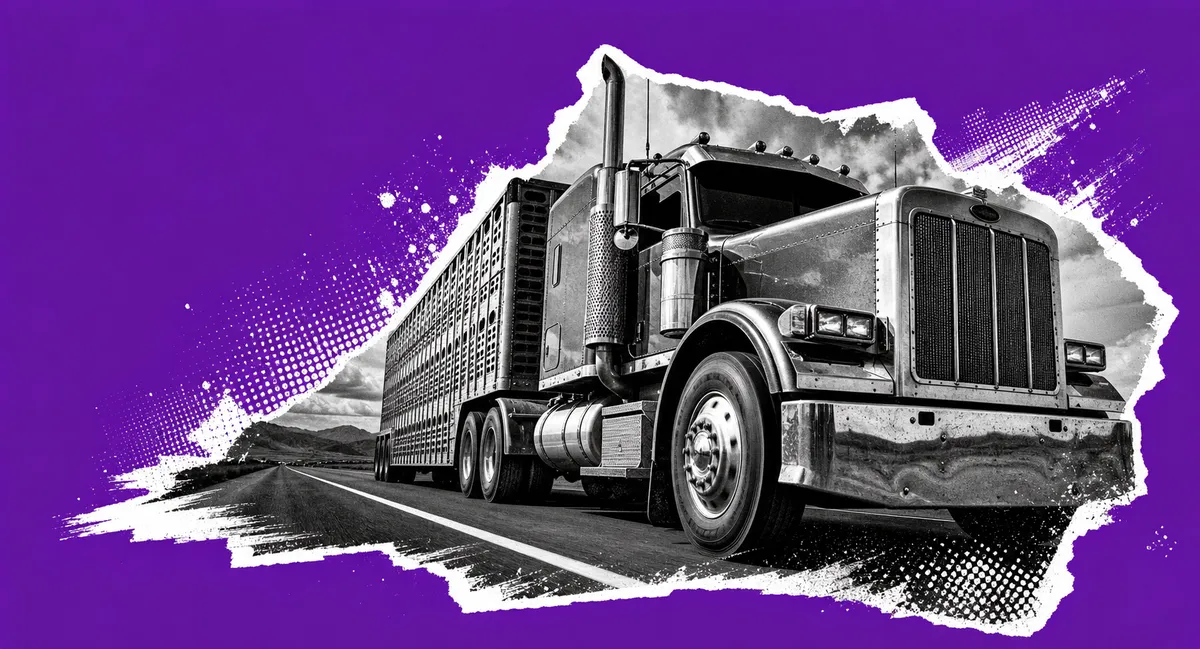
Funding a livestock transporter with confidence
A reliable livestock transporter can be essential for moving animals safely, meeting delivery schedules and keeping an agricultural business running. However, specialist vehicles and trailers can involve a substantial upfront cost. Finance may help spread that cost, but the agreement needs to fit your budget, business needs and expected vehicle use. This guide explains the main options, costs and risks in plain English, helping you understand what to check before making a commitment.
Is this guidance relevant to you?
This guide is for UK farmers, livestock businesses, agricultural contractors and sole traders considering finance for a new or used livestock transporter. It may also help individuals comparing specialist vehicle funding, although product availability and financial protections can differ between personal and business borrowing.
Understanding livestock transporter finance
Livestock transporter finance is funding used to buy a specialist vehicle, converted lorry, van or trailer designed to carry animals. Depending on the asset and lender, possible agreements may include hire purchase, lease purchase, asset finance or a business loan.
With hire purchase, you usually pay a deposit followed by fixed monthly payments. The finance provider owns the asset during the agreement, and ownership normally passes to you after all required payments and any purchase fee have been made. Lease purchase may reduce regular payments by leaving a larger final payment, sometimes called a balloon payment. This lowers monthly outgoings but creates a significant cost at the end.
The right option depends on the vehicle, its age, your deposit, credit profile, business trading history and expected mileage. Specialist conversions can affect valuation, so not every lender will accept every transporter.
Finance can make an essential vehicle more affordable month to month, but it does not reduce the vehicle's overall cost.
From application to final payment
You normally begin by choosing a transporter and establishing its full purchase price, including any conversion work, delivery charges and VAT. A broker or lender then asks for information about you, your business and the vehicle. This may include identification, address history, income or accounts, bank statements, trading history and details of the seller.
The lender assesses affordability, credit history and the asset's suitability. It may carry out a credit search and ask for a deposit. If approved, you receive finance documents showing the amount borrowed, interest rate, monthly payment, fees, total amount payable and any final payment. Read these carefully before signing.
Funds are generally paid to the supplying dealer or approved seller rather than to you. You then make the agreed payments while keeping the transporter insured, maintained and roadworthy. Under asset-backed agreements, the lender may repossess the vehicle if payments are missed. At the end, ownership or return arrangements depend on the specific agreement.
Why businesses consider spreading the cost
Finance can protect working capital by avoiding one large payment. That may leave money available for livestock, feed, staffing, maintenance and unexpected costs. Fixed monthly repayments can also make budgeting more predictable, particularly where transport work produces reliable seasonal or contract income.
There are drawbacks. Interest and fees mean you will usually pay more than the vehicle's cash price. A longer term may reduce monthly payments but increase the total interest paid. Your business must continue making payments even if the vehicle needs repairs, livestock volumes fall or income becomes irregular.
The decision should be based on realistic cash flow rather than the largest amount a lender will offer. Consider whether payments remain manageable during quieter months and whether the finance term matches the transporter's useful working life. Funding an ageing vehicle over a long period can leave you paying for an asset that has become expensive to maintain.
Benefits and drawbacks side by side
| Potential benefits | Potential drawbacks |
|---|---|
| Spreads a substantial purchase cost over an agreed period | Interest and fees increase the total amount paid |
| May preserve cash for operating expenses and emergencies | Missed payments can damage credit and put the asset at risk |
| Fixed payments can support predictable budgeting | Approval, rates and deposit requirements are not guaranteed |
| Can provide access to a newer or more suitable transporter | You may not own the vehicle until the agreement is completed |
| Several agreement types may be available | Balloon payments can create a large final liability |
| Some business costs may have tax or accounting implications | Business agreements may provide fewer protections than regulated consumer credit |
The balance depends on the agreement, your financial position and how essential the transporter is to your income. Tax treatment is not the same for every business or finance product, so speak to a qualified accountant before relying on a particular tax outcome.
Checks to make before signing
Compare the total amount payable, not only the monthly figure. Check the deposit, interest rate, fees, agreement length and any final payment. Ask whether the rate is fixed and what happens if you want to settle early. If an APR is shown, confirm whether it applies to your actual quote rather than being an illustrative or representative figure.
Inspect the transporter carefully. For a used vehicle, review its service history, mileage, structural condition, payload, ventilation, flooring, ramps and livestock partitions. Confirm that its weight and configuration are suitable for the animals you carry and that it meets applicable roadworthiness, welfare and operator requirements. Independent mechanical and specialist inspections may be worthwhile.
You should also establish whether the agreement is regulated under UK consumer credit law. Some agreements for limited companies, partnerships or higher-value business borrowing may be unregulated, while certain sole trader agreements may be regulated. Protections and complaint rights can therefore differ.
Never sign until you understand ownership, early settlement, missed-payment consequences and the full cost from deposit to final payment.
Other ways to fund the vehicle
Cash purchase: Paying from savings avoids borrowing costs and gives immediate ownership, but it can reduce the cash available for operating expenses or emergencies.
Business bank loan: A loan may let you own the transporter from the outset. Rates, security requirements and repayment terms depend on the bank and your business finances.
Equipment or vehicle leasing: Leasing may offer predictable payments without ownership. Check mileage limits, condition standards, modification restrictions and end-of-term charges.
Short-term hire: Hiring may suit seasonal or occasional transport needs. It avoids a long commitment, although availability can be limited and repeated hire costs may become expensive.
Buying a lower-cost used transporter: A used model can reduce the amount required, but inspection, maintenance history and expected repair costs need careful attention.
Dealer funding: Some specialist dealers arrange finance at the point of sale. Compare the full cost and terms with independent options rather than assuming dealer finance is the cheapest.
Agricultural grants or support schemes: Eligible rural businesses may sometimes access local or national funding. Availability and rules change, so check current government guidance before planning around a grant.
Common questions about transporter finance
Can I finance a livestock trailer rather than a complete vehicle?
Possibly. Some asset finance providers fund specialist trailers, while motor finance lenders may focus on road vehicles. Approval depends on the trailer's age, value, seller, condition and whether the lender considers it suitable security. Ask specifically what types of agricultural assets are accepted before applying.
Can I finance a used livestock transporter?
Used vehicles may be eligible, but lenders often impose age, mileage and condition limits. A specialist conversion can make valuation more complicated. The lender may also require the vehicle to come from an established dealer rather than a private seller.
How much deposit will I need?
There is no standard deposit for every applicant. It can depend on the lender, vehicle, agreement type and your credit profile. A larger deposit may reduce the amount borrowed and monthly payments, but you should not use cash needed for tax, wages or emergencies.
What affects the interest rate?
Rates can be influenced by your credit history, business performance, deposit, amount borrowed, agreement length and the vehicle's age. The Bank of England base rate and wider lending market can also affect pricing. The advertised rate may not be the rate you receive.
Will applying affect my credit score?
It can. Eligibility checks may use a soft search, which is not normally visible to other lenders, while a full application may require a hard credit search. Multiple hard searches in a short period can affect future applications. Ask which search will be used before proceeding.
Can a new agricultural business get finance?
Potentially, although lenders may request a larger deposit, personal guarantee, evidence of contracts or proof of other income. New businesses usually have less trading history, so approval may be more difficult and rates may be higher.
Is VAT included in the finance?
That depends on the agreement and lender. Some arrangements require VAT upfront, while others may include it within the funding structure. VAT recovery depends on your registration, business use and the transaction. Confirm the figures with the lender and your accountant.
What happens if I cannot make a payment?
Contact the lender as soon as possible. Ignoring the problem can lead to additional charges, credit damage and repossession. The options available depend on the agreement and your circumstances. Free debt guidance is available from organisations such as Business Debtline and Citizens Advice.
Can I repay the agreement early?
Many agreements allow early settlement, but the calculation and any charges vary. Request a written settlement figure and compare it with the remaining scheduled payments. Do not assume that early repayment automatically removes all future interest or fees.
Do I need specialist insurance?
You will normally need appropriate vehicle insurance, and the finance provider may require comprehensive cover. Standard motor insurance may not cover livestock, business interruption, trailer use or every commercial activity. Discuss your work with a specialist insurer and check all exclusions.
Support from Kandoo
Kandoo is a UK motor finance broker, not a lender. We can help you explore motor finance options from our lender panel where the transporter and intended use meet the relevant criteria. We explain available terms so you can compare deposits, monthly payments and total costs before deciding. Approval is not guaranteed, and finance remains subject to status, affordability checks and lender requirements. Ask about broker commissions and carefully review the pre-contract information before signing.
Important financial information
This guide provides general information and is not personal financial, legal, tax or animal welfare advice. Finance availability, regulation and protections depend on the applicant, asset and agreement. Check current terms, consider independent professional advice and make sure repayments are affordable throughout the full term. Your vehicle may be at risk if you do not maintain payments.
Buy now, pay monthly
Buy now, pay monthly