Airport Shuttle Bus Finance: How It Works, Costs and Options
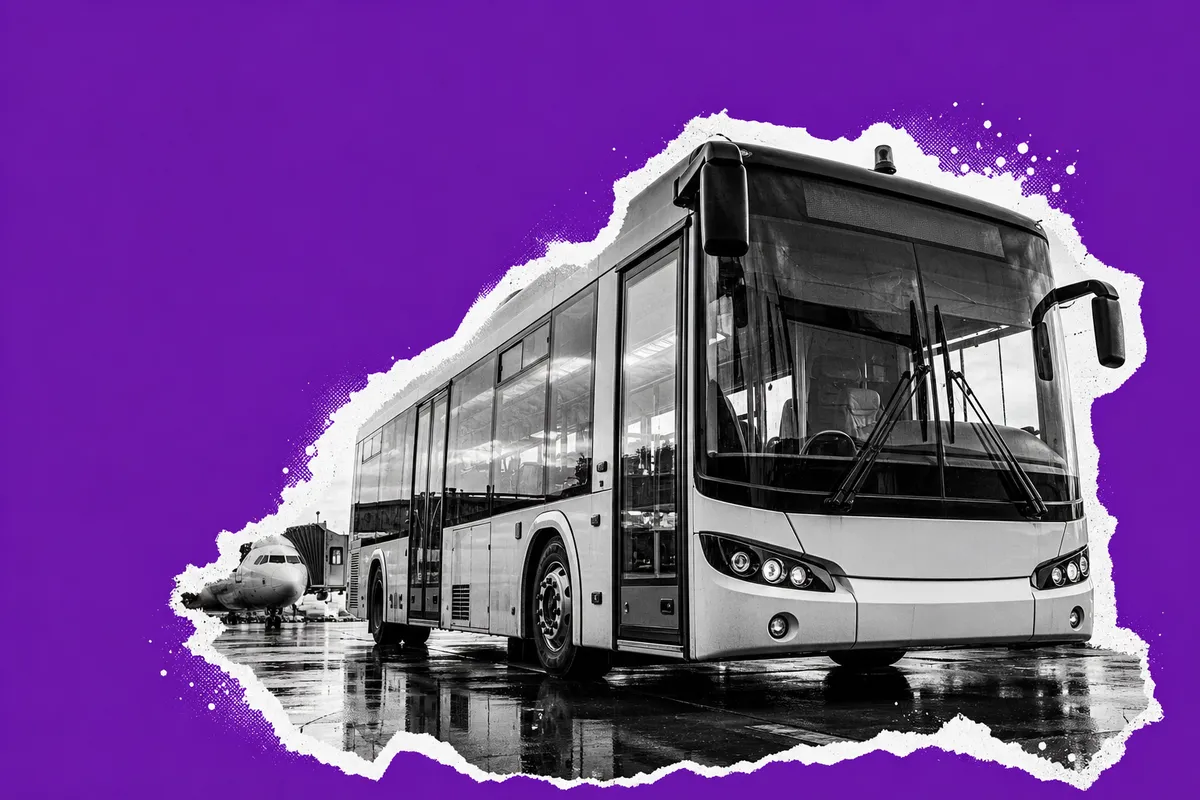
Getting Passengers From Terminal To Doorstep
Buying a shuttle bus is a big step for any transfer business. The vehicles are expensive, the routes need to run reliably, and paying for everything up front is rarely realistic. That is where finance comes in: instead of one large payment, you spread the cost over an agreed period.
This guide explains how airport shuttle bus finance works in the UK, what it usually costs, and the choices available to you. No jargon, no pressure - just clear information so you can weigh things up properly.
Is This Guide Relevant To You?
This is written for anyone running or starting a passenger transfer operation: hotel shuttle services, airport parking companies, private hire and chauffeur firms adding capacity, coach operators, and staff transport providers. It will also help sole traders buying their first minibus and established fleets planning a replacement cycle.
What Shuttle Bus Finance Actually Means
Shuttle bus finance is simply a funding agreement that lets you use a vehicle now and pay for it over time. Lenders treat buses and minibuses as commercial assets, so the vehicle itself usually acts as the security for the agreement. That often makes approval more straightforward than an unsecured loan of the same size.
Most agreements fall into a few recognisable shapes. Hire purchase spreads the price over fixed monthly payments and you own the vehicle at the end. A finance lease lets you rent the vehicle for most of its useful life, with lower initial outlay and VAT typically spread across the rentals. Contract hire, sometimes called operating lease, gives you fixed-cost use for a set term before handing the vehicle back, often with maintenance bundled in.
The right structure usually depends less on the vehicle and more on whether you want to own it, and how you want the cost to appear in your accounts.
Agreements commonly run from two to seven years, and can cover new, nearly new or used vehicles.
How The Process Usually Runs
In practice, most operators start with the vehicle. You identify the shuttle bus, the seat count, the accessibility specification and the price, whether that is from a dealer, a manufacturer or a specialist converter. You then approach a lender or a broker with those details alongside information about your business.
Underwriters typically look at trading history, filed or management accounts, bank statements, existing finance commitments and the director or owner's credit profile. Newer businesses may be asked for a personal guarantee or a larger deposit. Deposits often sit between ten and twenty per cent, though some agreements are available with lower contributions.
Once terms are agreed, you receive a quote showing the deposit, monthly payment, term length, total amount payable, any balloon or final payment, and the interest rate or annual percentage rate. After you sign, the lender pays the supplier directly and you take delivery. Payments then begin, usually monthly by direct debit, with the vehicle earning while you pay for it.
Why Operators Choose To Finance
The strongest argument is cash flow. A single sixteen-seat shuttle bus can absorb a year's working capital in one afternoon, and that money is often better used on drivers, insurance, fuel, servicing and marketing. Spreading the cost keeps your reserves intact for the quiet months and the unexpected repair bills.
Finance also makes fleet planning far more predictable. Fixed monthly payments let you build accurate route pricing and contract bids, because you know your vehicle cost per month for the whole term. That matters when tendering for hotel or car park contracts where margins are tight and rates are fixed for a year or more.
There are practical advantages too. Structured agreements make it easier to replace vehicles on a planned cycle rather than running them into the ground, which helps reliability and passenger experience. Depending on your circumstances and the agreement type, interest or rentals may be an allowable business expense, and VAT treatment can differ between products. Your accountant is the right person to confirm the position for your business.
Weighing Up The Trade-Offs
| Pros | Cons |
|---|---|
| Spreads a large cost into manageable monthly payments | You pay more overall than buying outright with cash |
| Preserves working capital for staffing, fuel and repairs | The vehicle can be repossessed if payments are missed |
| Fixed payments make route pricing and tendering easier | Early settlement may involve additional charges |
| The vehicle usually secures the deal, aiding approval | Leases may include mileage or condition penalties |
| Ownership is possible at the end with hire purchase | Deposits and personal guarantees may be required |
| Enables planned fleet replacement and better reliability | Business agreements are often outside FCA protections |
| Maintenance can be bundled into some contract hire deals | Depreciation risk sits with you on ownership products |
Details Worth Checking Before You Sign
Look at the total amount payable, not just the monthly figure. A longer term lowers the payment but raises the overall cost, and a large balloon payment at the end can create a refinancing problem if the vehicle is worth less than expected.
Compliance is the other area that catches operators out. Consider whether your service needs a PSV operator licence or falls under a Section 19 permit, whether drivers hold the correct D1 or PCV entitlement, and whether Public Service Vehicle Accessibility Regulations apply to your route. Emissions zones matter too: Clean Air Zones and the London ULEZ can make an older, cheaper vehicle expensive to run.
Read the small print on mileage limits, servicing obligations, damage standards and insurance requirements. Check whether early settlement charges apply, and confirm whether the agreement is regulated. Many business finance agreements are not covered by the same protections as consumer credit, so understand where you stand before committing.
If a figure is not written into the agreement, treat it as an estimate rather than a promise.
Other Routes To Getting A Shuttle Bus On The Road
- Buying outright with cash - no interest and full flexibility, but it ties up capital you may need elsewhere.
- Contract hire or operating lease - fixed monthly cost with the vehicle returned at the end, often with maintenance included.
- Finance lease - lower initial outlay with rentals spread over the term, and a share of the sale proceeds at the end.
- Unsecured business loan - the vehicle stays unencumbered, though rates are usually higher and amounts smaller.
- Asset refinance - releasing cash from vehicles you already own to fund an additional shuttle bus.
- Short-term minibus rental - useful for seasonal peaks, one-off contracts or covering a vehicle off the road.
- Subcontracting to another operator - no capital outlay at all, at the cost of margin and direct control.
- Buying used or ex-fleet - a lower purchase price, balanced against higher maintenance and emissions considerations.
Questions Operators Ask Us Most
How much does an airport shuttle bus cost? Used minibuses often start in the mid-teens of thousands, new sixteen-seaters commonly run from around £45,000 to £75,000, and larger accessible midi-coaches can reach well beyond £150,000. Conversions, lifts and livery add to the figure.
Can a new business get shuttle bus finance? Often yes, though expect a larger deposit, a personal guarantee, or a request for a business plan and contract evidence. Some lenders specialise in newer operators.
Will a bad credit history stop me? Not always. Because the vehicle secures the agreement, some lenders can still help, though rates are usually higher. Being upfront about your history saves time.
Should I choose hire purchase or leasing? Choose hire purchase if you want to own the vehicle and keep it for many years. Leasing suits operators who prefer newer vehicles, predictable costs and no disposal worries.
Are wheelchair-accessible vehicles financeable? Yes. Accessible conversions are routinely financed, and the conversion cost can usually be included in the same agreement.
Does the finance cover insurance and servicing? Not by default. Some contract hire packages include maintenance, but insurance is almost always arranged separately by you.
Where Kandoo Fits In
Kandoo is a UK motor finance broker, not a lender. That means we can look across a panel of lenders and help you compare the options that suit your operation, rather than pushing a single product. We will explain the differences between ownership and leasing in plain English, be upfront about likely costs, and let you know where an agreement may fall outside consumer protections. There is no obligation to proceed at any point.
Important Information
This article is general information only and is not financial, tax, legal or licensing advice. Finance is subject to status, affordability and lender criteria. Many business finance agreements are not regulated by the Financial Conduct Authority. Kandoo is a credit broker, not a lender, and may receive a commission from lenders. Always read your agreement in full and speak to your accountant or a qualified adviser before committing.
Buy now, pay monthly
Buy now, pay monthly