Wheelchair-Accessible Taxi Finance: How It Works, Costs and Options
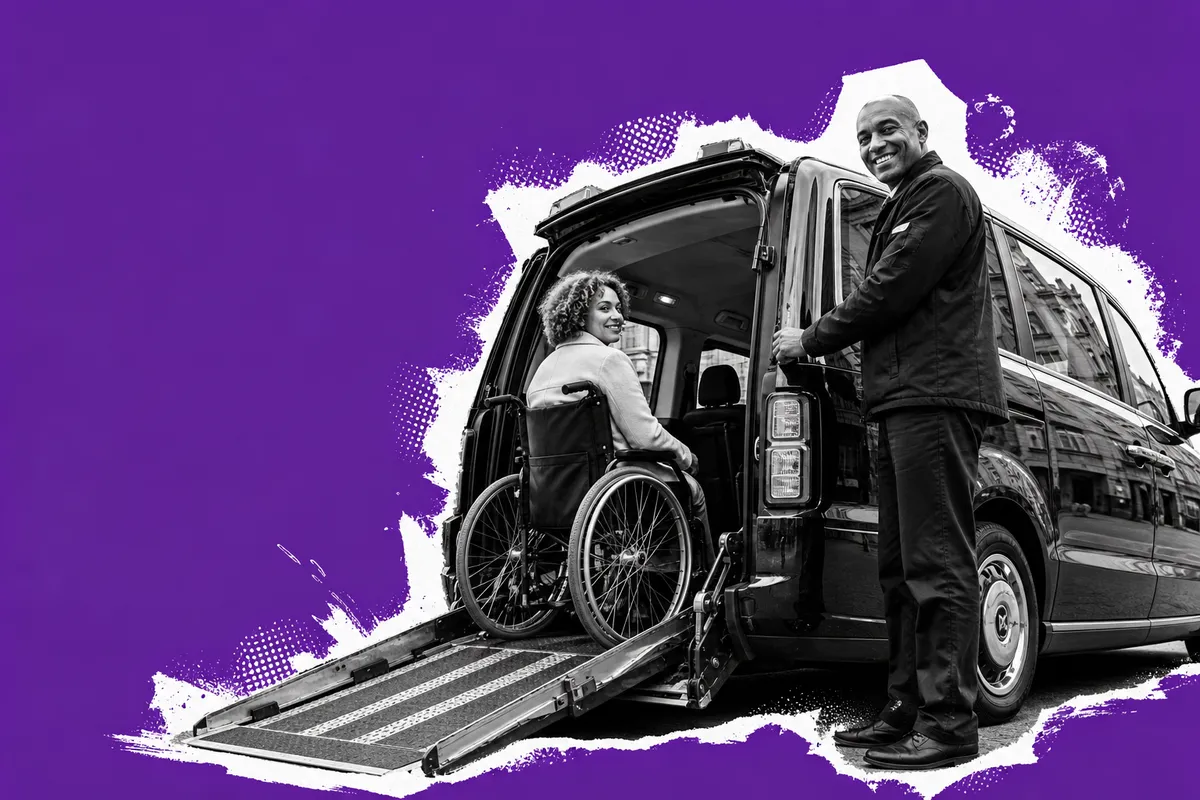
Funding an Accessible Cab Without the Guesswork
Buying a wheelchair-accessible taxi is a big step. These vehicles cost more than a standard car, and most drivers spread the cost rather than paying in one go. That is where vehicle finance comes in.
This guide explains, in plain English, how wheelchair-accessible taxi finance works, what you can expect to pay, and the choices open to you. No pressure and no sales talk - just the facts you need to make a decision you feel comfortable with.
Who This Guide Is Written For
This is for licensed hackney carriage and private hire drivers, small fleet owners, and community transport operators in the UK who need a wheelchair-accessible vehicle (WAV). It will also help anyone considering the move from a standard car to an accessible taxi for the first time.
What We Mean by Wheelchair-Accessible Taxi Finance
A wheelchair-accessible taxi is a vehicle that a passenger can enter and travel in while remaining in their wheelchair. That usually means a ramp or lift, a lowered floor, extra headroom and approved wheelchair restraints. Some are purpose-built black cabs, such as the LEVC TX. Others are van-based models like the Ford Tourneo, Mercedes-Benz Vito, Volkswagen Caddy or Peugeot Rifter, professionally converted by a specialist.
Wheelchair-accessible taxi finance is simply an agreement that lets you use the vehicle now and pay for it over an agreed term, typically two to five years. The lender either owns the vehicle until you have paid for it, or continues to own it and rents it to you, depending on the type of agreement you choose.
The finance covers the vehicle and, in most cases, the cost of the conversion too - as long as the work is done by a recognised converter.
How the Process Usually Works
You start by checking your local council's licensing rules, because these set the age, emissions and accessibility standards your vehicle must meet. Once you know what qualifies, you can choose a vehicle and get a written quote covering the base vehicle, the conversion, delivery and any plating or testing costs.
Next comes the finance application. A broker or lender will look at your income, credit history and trading record. Sole traders and newer businesses are often asked for bank statements or accounts; established limited companies may need less. You will usually be quoted an APR or a flat monthly rental, along with any deposit and fees.
If approved, the lender pays the dealer or converter directly and you begin your monthly payments. Where a vehicle is being converted to order, expect a lead time of several weeks to a few months, so it is worth applying early rather than at the last minute.
Why Drivers Choose Finance Over Paying Outright
Cost is the main reason. A new purpose-built accessible taxi can run from around £40,000 to well over £70,000, and a good used one still often sits in the £15,000 to £30,000 range. Very few drivers have that sitting in the bank, and tying up all your working capital in one vehicle leaves nothing spare for insurance, repairs or a quiet trading month.
Spreading the cost over a fixed term makes budgeting far easier, because you know exactly what leaves your account each month. Many drivers also find that the extra work available from accessible fares - school and hospital contracts, local authority frameworks and pre-booked accessible journeys - helps offset the higher monthly payment.
There can be tax and grant advantages too. Business finance costs are often deductible against profits, and the government's Plug-in Taxi Grant may reduce the price of an eligible zero-emission-capable taxi. Speak to your accountant, and check current grant levels before relying on them.
Weighing Up the Balance
| Pros | Cons |
|---|---|
| Spreads a large cost into predictable monthly payments | You pay more in total than buying outright, once interest is added |
| Preserves cash for insurance, servicing and quiet periods | Missed payments can lead to repossession and credit damage |
| Opens access to accessible contracts and a wider passenger base | Conversions add cost and can lengthen delivery times |
| Newer vehicles are more likely to meet council and Clean Air Zone rules | Early settlement or exit fees may apply if plans change |
| Finance costs are often tax-deductible for business use | Mileage and condition limits apply on lease and PCP agreements |
| Grants may cut the price of eligible electric taxis | Approval depends on credit history and trading evidence |
Details Worth Checking Before You Sign
Read the agreement type carefully. With hire purchase you own the vehicle at the end; with a lease or contract hire you hand it back, and excess mileage or damage charges can apply. Given that taxi work often means 30,000 miles or more a year, an unrealistically low mileage allowance can become expensive fast.
Check that the quote includes the conversion, wheelchair restraints, any testing and the cost of getting the vehicle plated. Ask whether the lender is happy with taxi use at all - some mainstream motor finance excludes hire and reward, which could invalidate the agreement.
Also confirm the total amount payable, the APR, any arrangement or option-to-purchase fees, and what happens if you settle early. Finally, remember that finance taken out mainly for business purposes may fall outside FCA consumer protections, so you may not have the same rights to withdraw or hand the vehicle back.
Other Ways to Fund an Accessible Taxi
- Hire purchase (HP) - fixed payments, then the vehicle is yours. Popular with drivers who plan to keep a vehicle long term and run high mileage.
- Personal contract purchase (PCP) - lower monthly payments with a larger final balloon payment if you want to keep it. Watch the mileage limits closely.
- Finance lease or contract hire - you rent the vehicle for a set term. Often used by fleets, with potential VAT advantages for VAT-registered businesses.
- Unsecured business loan - borrow the money separately and buy the vehicle outright, giving you freedom over where you purchase.
- Renting from a licensed taxi fleet - a flexible weekly rental with less commitment, though you build no equity.
- Paying cash, with grant support - using savings alongside the Plug-in Taxi Grant or any local licensing incentive scheme available in your area.
Questions Drivers Ask Us Most
Can I get taxi finance with bad credit? Often yes, though you may face a higher rate or be asked for a larger deposit. Lenders look at affordability and trading evidence, not just your score.
Does finance cover the wheelchair conversion? Usually, provided the conversion is carried out by a recognised specialist and included in the invoice. Always confirm this in writing before ordering.
Am I exempt from VAT on a wheelchair-accessible vehicle? VAT zero-rating generally applies to vehicles supplied to a disabled wheelchair user or certain eligible charities, not to commercial taxi fleets. Check the current HMRC guidance and speak to your accountant.
Do I need a licence before applying? Not always, but lenders and councils will want to see that the vehicle will meet local licensing standards, so check those rules first.
Can I get out of the agreement early? Usually yes, but there may be a settlement figure or early termination charge. Ask for these details before you commit.
Where Kandoo Fits In
Kandoo is a UK motor finance broker, not a lender. That means we search across a panel of lenders to find options suited to accessible taxi and conversion funding, then explain the terms clearly so you can compare like for like. There is no obligation to proceed, and we will always tell you if we think an option is not the right fit for your circumstances.
Important Information
This article is general information, not financial, tax or legal advice. Rates, grant levels, VAT rules and licensing requirements change, so always check the current position and read any agreement in full before signing. Finance is subject to status, affordability and lender criteria. Vehicle finance taken out mainly for business use may not carry the same consumer protections as regulated agreements. Consider speaking to an accountant or a qualified adviser about your own situation.
Buy now, pay monthly
Buy now, pay monthly