How to Finance a Recovery Truck
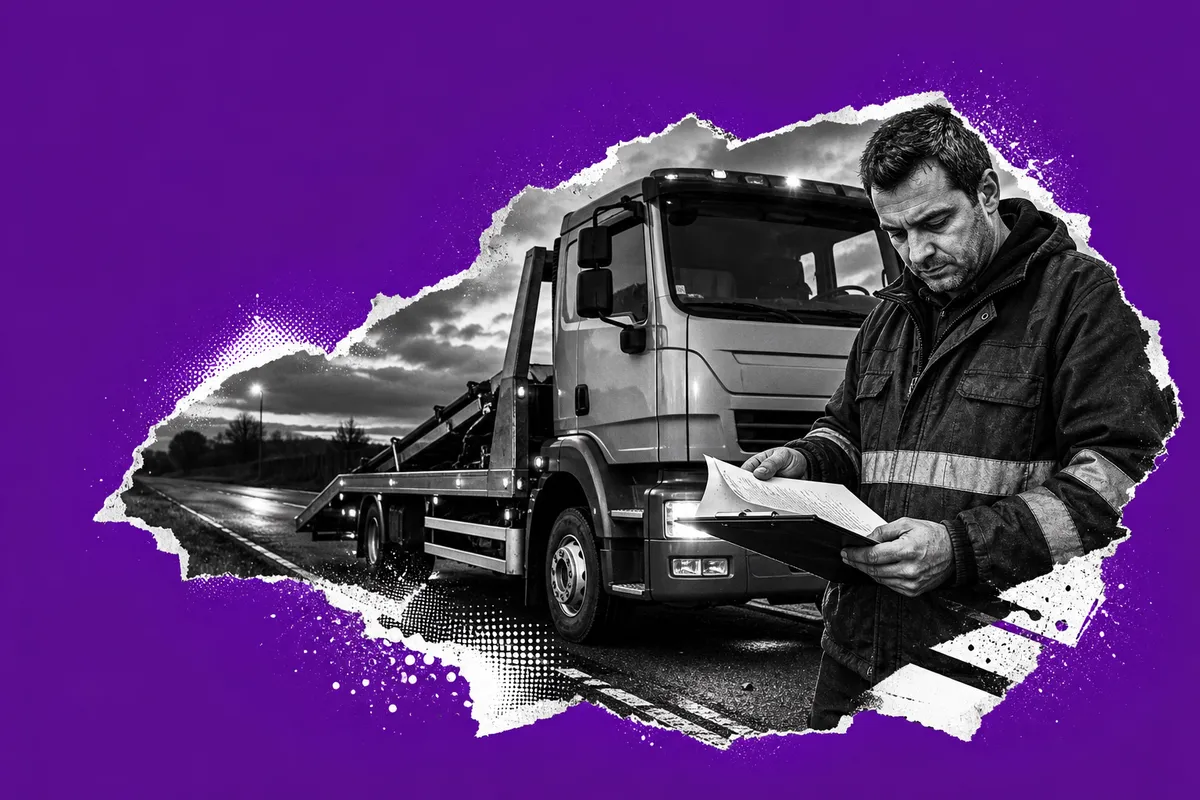
Getting Started With Recovery Truck Finance
Buying a recovery truck is a big step, and paying for it all at once is not always realistic. Recovery truck finance lets you spread the cost over monthly payments instead of handing over a large lump sum. That can keep your business running smoothly while you get a new or used tow truck on the road. In this guide, we explain how it works in plain English, so you can make a confident, well-informed decision.
Who This Guide Is For
This is for recovery and roadside assistance operators in the UK who are buying a tow truck for business use. Whether you are a sole trader starting out, a growing firm adding to a fleet, or an established business replacing an ageing vehicle, this guide will help you understand your options.
What Recovery Truck Finance Actually Is
Recovery truck finance is a type of commercial vehicle finance designed specifically for businesses buying tow trucks and recovery vehicles. Rather than paying the full purchase price upfront, you spread the cost into fixed monthly payments over an agreed term. Because recovery trucks are high-value assets, this approach helps you preserve working capital for other running costs.
The good news is that finance is available for both new and used recovery vehicles. Lenders treat the truck as a financeable business asset, which means you are not limited to buying brand new. Many operators choose a well-maintained used truck to lower their entry costs while still benefiting from a manageable monthly repayment plan.
This is generally handled as business finance rather than personal car finance. Specialist lenders and brokers assess the vehicle, your trading purpose, and your ability to repay, tailoring the deposit, term, and structure to suit how your business works.
How the Finance Typically Works
The most common route for recovery trucks is hire purchase, a familiar and widely used form of asset finance. With hire purchase, you usually pay an initial deposit followed by fixed monthly instalments over the term. Once you have made all the payments, the vehicle becomes yours. This appeals to operators who want to own the truck outright at the end and value the predictability of fixed repayments for budgeting.
Because recovery vehicles are specialist assets, it often makes sense to work with a lender or broker who understands them. They will look at the truck itself, your business use case, and your credit profile before matching you to a suitable structure. A specialist broker can compare several options for you, which is particularly helpful when the vehicle, your business setup, or your circumstances are less standard. That comparison across multiple lenders can save time and help you land on terms that genuinely fit your operation.
Why Businesses Choose to Finance
The main reason operators finance rather than buy outright is cash flow. A recovery truck is a significant purchase, and tying up a large sum in one go can leave little room for the day-to-day costs of running a recovery business, such as fuel, insurance, tyres, maintenance, and staff wages. Spreading the cost into monthly payments keeps money available where it is needed most.
Finance can also support growth. Instead of waiting months or years to save the full purchase price, you can put a vehicle to work straight away and start earning from it. In competitive local markets where response times and fleet readiness affect revenue, that speed can make a real difference. For seasonal or expanding firms, finance can be the deciding factor between delaying and seizing an opportunity.
Viewed this way, finance is less a borrowing decision and more an operational tool that helps you manage capital and grow at a sensible pace.
Weighing Up the Benefits and Drawbacks
| Pros | Cons |
|---|---|
| Spreads the cost into manageable monthly payments | Total cost is usually higher than paying cash due to interest |
| Preserves working capital for fuel, staff, and maintenance | You are committed to payments for the full term |
| Available for both new and used recovery trucks | Missed payments can affect your credit and the asset |
| Hire purchase leads to eventual ownership | Deposit may be required upfront |
| Specialist lenders understand the asset and business use | Approval depends on trading purpose and affordability |
| Supports faster fleet expansion and growth | Used vehicles may carry higher maintenance costs |
Points Worth Checking Before You Commit
Before signing anything, take time to understand the full picture. Look closely at the total amount repayable, not just the monthly figure, so you can see the true cost of the finance including interest and any fees. Check the length of the term and whether the repayments comfortably fit your expected income, allowing for quieter periods.
With used recovery trucks, factor in likely maintenance and repair costs, as an older vehicle may be cheaper to finance but more expensive to keep on the road. Confirm what happens at the end of the agreement, particularly whether ownership transfers to you, as it does with hire purchase.
Because this is business finance, lenders will typically assess your trading purpose, business structure, and credit history. Being clear about your business use and having your figures ready can help. Finally, consider using a specialist broker who can compare recovery truck finance against other commercial vehicle products, so you avoid a narrow comparison and shop the wider market effectively.
Other Options to Consider
- Leasing, where you pay to use the truck over a set period without necessarily owning it at the end, which can suit operators who prefer to upgrade vehicles regularly.
- Finance lease or contract hire, which are common commercial vehicle finance products worth comparing alongside hire purchase.
- Comparing recovery truck finance against wider asset finance for vans, HGVs, or full fleet funding to find the best overall repayment structure.
- A business loan, if you would prefer to keep the finance separate from the vehicle itself.
- Buying outright with cash reserves, if your business can comfortably afford it without straining working capital.
Common Questions Answered
Can I finance a used recovery truck? Yes. Finance is available for both new and used recovery vehicles, and many smaller firms and start-ups choose used trucks to reduce entry costs while still spreading the payments.
Do I own the truck at the end of a hire purchase agreement? With hire purchase, ownership usually transfers to you once you have completed all the agreed payments, including any final fee if applicable.
Is recovery truck finance the same as car finance? No. It is treated as specialist commercial vehicle finance. Lenders assess the asset, your business purpose, and your ability to repay differently from consumer car lending.
Who can apply? This is business finance, so it is generally aimed at trading businesses buying a vehicle for commercial use. Lenders typically look at your business structure, credit history, and how you intend to use the truck.
Why use a specialist broker? A specialist broker can compare multiple structures and lenders on your behalf, which is especially useful when the vehicle or your circumstances are non-standard.
How Kandoo Can Help
At Kandoo, we are a UK motor finance broker, so we can help you explore your options and understand what suits your business. Rather than pushing a single product, we focus on giving you clear, honest guidance so you can compare and choose with confidence. If you are weighing up how to fund a recovery truck, we can help you make sense of the choices and point you in the right direction.
Important Information
This article is for general information only and does not constitute financial advice. Finance is subject to status, affordability, and lender criteria, and is available to businesses for commercial use. Terms, rates, and availability vary between lenders. Always read your agreement carefully and seek independent advice if you are unsure before entering into any finance arrangement.
Buy now, pay monthly
Buy now, pay monthly