How to Finance a Pickup Truck
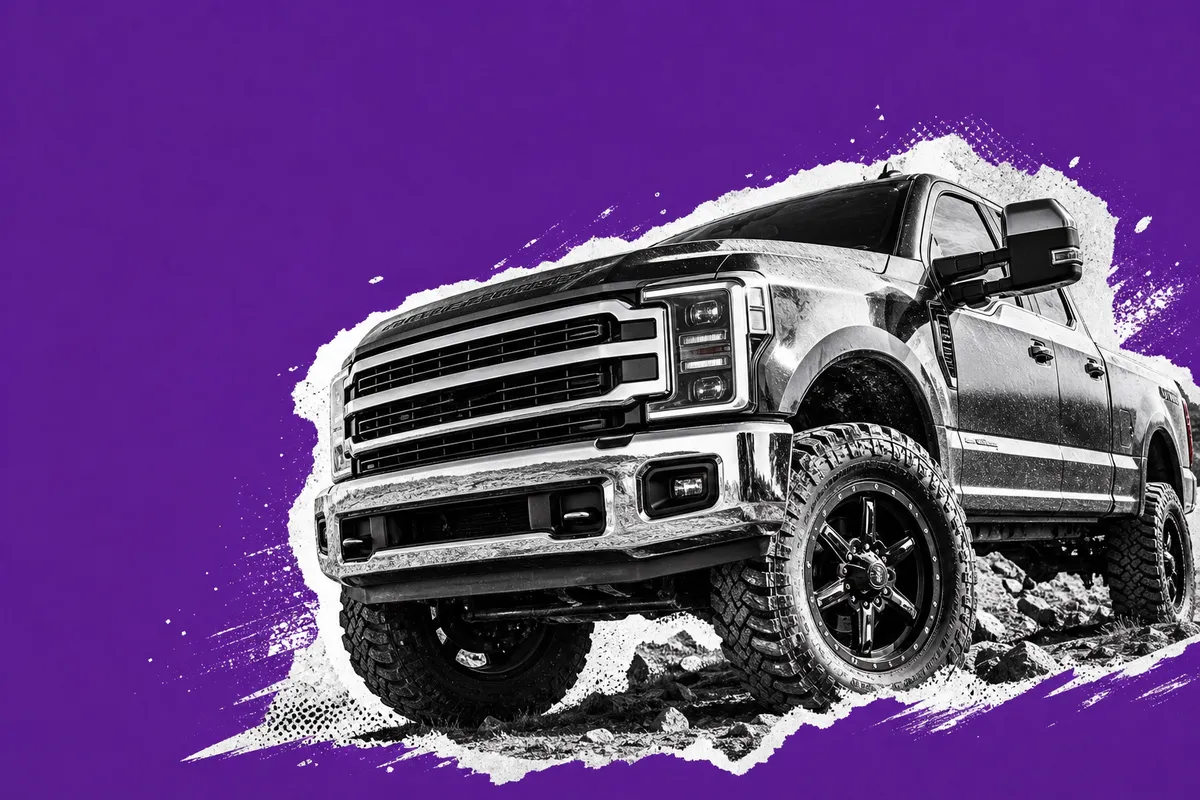
Getting your pickup on the road without paying it all upfront
Buying a pickup truck is a big decision, and paying the full price in one go is not always practical or sensible. Finance lets you spread the cost over time so you can get the vehicle you need now and pay in manageable instalments. This guide walks you through how pickup finance works in the UK, what to expect, and how to choose an option that genuinely suits you.
Is this guide right for you?
This guide is written for UK tradespeople, sole traders, small business owners and limited companies looking to fund a pickup truck for work. If you want to understand your finance options, check whether you are likely to qualify, and budget properly before you buy, you are in the right place.
What financing a pickup actually means
Financing a pickup means spreading the cost of the vehicle over a fixed period rather than paying everything at once. In the UK, this is usually offered through a handful of common structures. Hire Purchase (HP) lets you pay a deposit followed by monthly instalments, with ownership passing to you once the final payment is made. Leasing, sometimes called contract hire, lets you use the vehicle for an agreed period in return for regular payments, without owning it at the end. Balloon-payment deals keep monthly payments lower by leaving a larger lump sum to settle at the finish. Business loans provide a sum you repay over time, giving you ownership from the outset. Each of these is designed to preserve your cash flow, letting you keep working capital free for payroll, stock or day-to-day running costs rather than tying it up in a depreciating asset.
How the process usually works
Most pickup finance in the UK is arranged through specialist brokers or asset-finance firms rather than mainstream consumer lenders. The typical journey starts with an enquiry, where you share details about the vehicle, the supplier and your business. You then receive one or more quotes, compare them, and choose the offer that fits best. The lender reviews your application, which usually involves checking your business information, bank statements, credit history and how the vehicle will be used. Once approved, the funds are released so you can buy the truck. Agreements normally involve a deposit followed by regular instalments covering either the vehicle's value or its use. Because this is closer to a commercial credit decision than a simple car purchase, having your paperwork ready in advance can speed things up considerably and improve your chances of a suitable offer.
Why so many businesses finance rather than buy outright
The main appeal of pickup finance is cash-flow control. A pickup is a working tool, but it is also a large, depreciating asset. Paying for it upfront can drain the reserves a business needs for wages, inventory or unexpected costs. Financing lets you get the vehicle working for you straight away while spreading the cost into predictable monthly payments. This is why UK lenders often describe pickup funding as a form of asset finance or short-term business borrowing. It can also offer flexibility: some agreements prioritise low monthly payments, others eventual ownership, and some bundle in servicing and maintenance. Because specialist lenders understand business use, their underwriting can be more flexible than standard unsecured borrowing. The trade-off is that terms are shaped around business risk and how the vehicle will be used, so expect lenders to ask why you need the truck and how it fits your operations.
Weighing up the benefits and drawbacks
Points worth checking before you sign
The headline monthly payment rarely tells the whole story. Always factor in insurance, fuel, servicing and maintenance, because a deal that looks cheap upfront can prove expensive once running costs are added. Check whether your agreement includes maintenance, as some contract hire and operating lease arrangements do while others leave it to you. Watch out for balloon payments, which keep monthly costs low but leave a large lump sum due at the end. Your business structure matters too: limited companies and sole traders may access different products, and regulated and unregulated agreements carry different consumer protections and documentation standards. Minimum deal sizes apply as well, with business finance often starting from around £10,000 for limited companies and higher thresholds for sole traders on unregulated agreements. Finally, compare more than just the rate. Look at deposit, term length, total cost, and the lender's transparency and customer service.
Other ways to fund your pickup
- Hire Purchase (HP): Pay a deposit and fixed instalments, then own the truck outright at the end.
- Leasing or contract hire: Use the vehicle for an agreed term with regular payments and no ownership at the end.
- Balloon-payment finance: Lower monthly payments with a larger final lump sum to settle.
- Business loan: Borrow a sum to buy the vehicle outright and repay over time.
- Paying cash: Buy outright if you have the reserves, though this ties up working capital.
Common questions about pickup finance
[{"question":"Can sole traders get pickup finance?","answer":"Yes, though the products and thresholds can differ from those offered to limited companies. Sole traders may access unregulated credit agreements, often from around £25,000, and should check what consumer protections apply."},{"question":"What is the minimum I can borrow?","answer":"Limited companies can typically borrow from around £10,000 for pickup finance, while sole traders may face higher minimums on unregulated agreements. Thresholds vary by lender and business profile."},{"question":"What will a lender check?","answer":"Lenders usually review your business information, bank statements, credit history and how the vehicle will be used before quoting or approving funds."},{"question":"Does the cheapest APR mean the cheapest deal?","answer":"Not always. Insurance, fuel, servicing and any balloon payment all affect the total cost of ownership, so the lowest headline rate is not necessarily the cheapest overall."},{"question":"Will I own the pickup at the end?","answer":"It depends on the agreement. Hire Purchase and business loans lead to ownership, while leasing and contract hire generally do not."}]
How Kandoo can help
As a UK motor finance broker, Kandoo can help you compare options and match your enquiry to lenders suited to your needs. We explain your choices in plain English, help you understand the total cost rather than just the monthly figure, and aim to make the process straightforward from enquiry to approval. Have your vehicle and business details ready, and we can help you move quickly towards a suitable, transparent deal.
Important information
Kandoo is a credit broker, not a lender. This guide is for general information only and does not constitute financial advice. Finance is subject to status, eligibility and lender criteria, and terms vary. Always read your agreement carefully and consider seeking independent advice before committing to any finance product.
Buy now, pay monthly
Buy now, pay monthly