Waste Collection Vehicle Finance: How It Works, Costs and Options
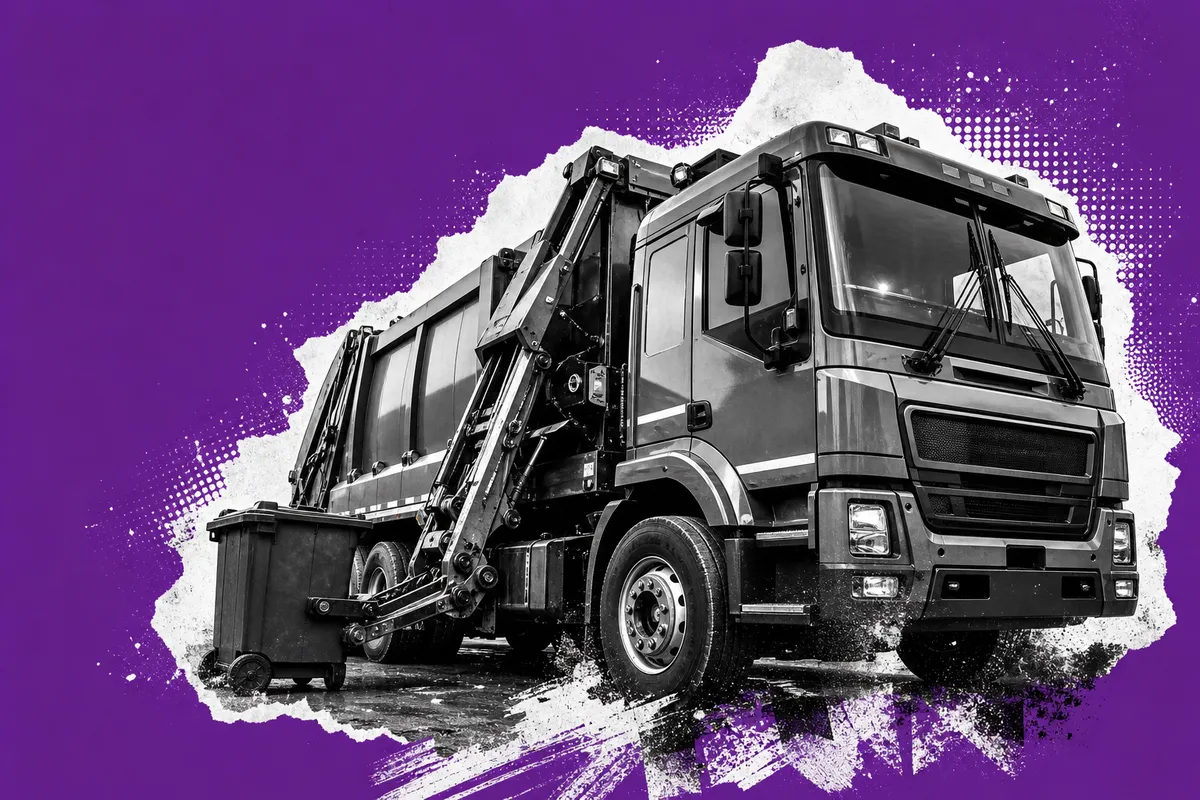
Funding a Waste Vehicle Without the Confusion
Waste collection vehicles are essential for many councils, contractors and recycling businesses, but buying one can place real pressure on cash flow. Finance can spread the cost over an agreed period instead. The right arrangement depends on the vehicle, your finances and whether you want to own it eventually. This guide explains the main options, likely costs and important checks in plain English, so you can make an informed decision without assumptions or sales pressure.
Businesses This Guide Is Designed For
This guide is for UK waste management companies, recycling operators, local authority contractors and other organisations considering a refuse collection vehicle, bin lorry or similar specialist vehicle. It may also help sole traders and newer businesses understand what lenders are likely to assess.
What Waste Collection Vehicle Finance Means
Waste collection vehicle finance is a way to fund a specialist vehicle without necessarily paying its full purchase price upfront. It may cover new or used refuse collection vehicles, recycling trucks, food waste vehicles, compactors and other purpose-built vehicles, depending on the lender's criteria.
Common arrangements include hire purchase, finance lease and operating lease or contract hire. Hire purchase is generally structured toward ownership after all required payments and any option-to-purchase fee have been made. Leasing usually provides use of the vehicle without automatic ownership, although the end-of-term choices depend on the agreement.
These products are not interchangeable. Monthly payments, deposit requirements, mileage conditions, maintenance responsibilities and tax treatment can differ considerably. Most waste vehicle funding is arranged for business purposes, and some commercial agreements may not receive the same regulatory protections as consumer credit agreements.
How the Funding Process Usually Works
You normally begin by identifying the vehicle and deciding how much deposit or initial rental your business can afford. A broker or lender will then ask for information about the business, its directors, trading history, turnover and existing financial commitments. Newer businesses may need to provide forecasts, contracts or evidence of relevant industry experience.
The lender assesses both the applicant and the vehicle. Age, mileage, condition, expected working life and resale value can affect whether the vehicle is acceptable. Highly specialised or older vehicles may require a larger deposit or shorter term.
If approved, you receive an offer setting out the amount financed, term, payments, interest or rental charges, fees and ownership position. Read these documents carefully before signing. Depending on the application, credit searches and identity checks may be completed. The lender usually pays the supplier after the agreement is signed and any required checks, deposit and documentation are complete.
Why Businesses Choose to Spread the Cost
The main reason is cash flow. A waste collection vehicle can require substantial capital, while finance allows the business to retain money for wages, fuel, maintenance, insurance and other operating costs. Fixed monthly payments may also make budgeting easier, although variable costs connected with operating the vehicle will remain.
Finance can help a business secure a vehicle when it wins a new collection contract or needs to replace unreliable equipment. It may also provide access to a newer, more efficient vehicle sooner than a cash purchase would allow.
However, spreading the cost usually means paying interest, rentals or fees. Approval is not guaranteed, and missed payments can damage the business's credit position and may lead to the vehicle being repossessed. Finance should therefore support a realistic operating plan rather than stretch the business beyond what its contracts and cash flow can sustain.
Benefits and Trade-Offs at a Glance
| Area | Potential advantage | Possible disadvantage |
|---|---|---|
| Cash flow | Avoids paying the full vehicle price immediately | Deposit or initial rental may still be substantial |
| Budgeting | Regular payments can support financial planning | Interest, rentals and fees increase the overall cost |
| Vehicle access | May make a newer or more suitable vehicle affordable | Age and vehicle-type restrictions may apply |
| Ownership | Hire purchase can lead to ownership after all required payments | The lender usually retains rights over the vehicle during the term |
| Flexibility | Different products and terms may be available | Early settlement or termination can involve charges |
| Tax and accounting | Some payments or allowances may qualify for business tax treatment | Treatment varies by product and business circumstances |
| Business risk | The vehicle may help fulfil contracts and generate revenue | Missed payments can affect credit and put the vehicle at risk |
A lower monthly payment does not automatically mean a cheaper agreement. Compare the total payable, term, fees and end-of-agreement position.
Checks to Make Before Committing
Start with the total cost, not just the advertised monthly figure. Check the deposit, interest rate or rentals, documentation fees, final payment, option-to-purchase fee and any early settlement or termination charges. Where an APR is provided, use it alongside the total amount payable rather than relying on it alone.
Confirm who owns the vehicle during and after the agreement. For leases, check mileage limits, condition standards, maintenance responsibilities and end-of-term return charges. Also establish whether VAT is payable upfront or across rentals. VAT, capital allowance and accounting treatment can vary, so obtain advice from a qualified accountant.
Inspect a used vehicle carefully, including its lifting gear, compaction equipment, body, chassis, service record and certification. Consider downtime, parts availability, emissions requirements and whether the vehicle is suitable for local routes. Finally, check whether the agreement is regulated and what protections apply before signing.
Other Ways to Secure a Suitable Vehicle
- Buy with business funds. A cash purchase avoids finance interest and contractual mileage limits, but it ties up capital and leaves the business carrying the full depreciation and repair risk.
- Use short-term rental. Rental can suit temporary contracts, seasonal demand or vehicle breakdowns. It offers flexibility, but daily or monthly costs may be higher over a long period.
- Choose contract hire with maintenance. A package that includes servicing may improve cost predictability. Availability can be limited for specialist specifications, and return conditions need careful review.
- Buy a refurbished vehicle. A professionally refurbished refuse vehicle may cost less than a new one. Check warranties, component life, emissions compliance and the refurbisher's reputation.
- Outsource the collection work. Subcontracting removes the immediate need to fund and operate a vehicle, although it reduces direct control and may affect margins.
- Consider manufacturer or supplier finance. A dealer may offer convenient finance at the point of sale. Compare it with other available options because convenience does not always mean the lowest total cost.
Common Questions About Waste Vehicle Funding
How much deposit will I need?
There is no universal figure. The requirement depends on the lender, vehicle, agreement type and strength of the business. Older or highly specialised vehicles and applications from newer businesses may require more upfront. Ask for a written quotation showing exactly what must be paid before delivery.
Can a new business get waste collection vehicle finance?
Possibly, but approval is not guaranteed. A lender may ask for a stronger deposit, personal guarantee, business plan, cash-flow forecast, bank statements or evidence of secured collection contracts. Directors' experience and personal credit histories may also be considered where legally appropriate.
Can I finance a used refuse collection vehicle?
Many lenders consider used vehicles, subject to age, mileage, condition and expected value at the end of the term. Specialist equipment may need an inspection or valuation. Check whether the finance term extends beyond the vehicle's realistic working life.
What affects the monthly cost?
The main factors are the vehicle price, deposit, amount borrowed, agreement term, interest or rental rate, final payment and fees. Your business profile and the vehicle's likely resale value may also affect pricing. A longer term can reduce monthly payments but may increase the total cost and keep the business committed for longer.
Will I own the vehicle at the end?
That depends on the product. Hire purchase is usually intended to lead to ownership once all required payments and the purchase fee are made. A finance lease does not normally transfer ownership to the customer. Contract hire usually requires the vehicle to be returned under the agreed conditions.
Can I settle the agreement early?
Many agreements allow early settlement, but the calculation and charges vary. Request a formal settlement quotation from the lender before making plans to sell, replace or refinance the vehicle. You generally cannot sell a financed vehicle without first dealing with the lender's financial interest.
Is maintenance included?
Not automatically. Hire purchase and finance lease arrangements commonly leave maintenance, repairs, tyres, insurance and compliance costs with the customer. Some contract hire packages include maintenance, but exclusions and fair-use conditions may apply.
What happens if my business cannot make the payments?
Contact the lender as soon as possible. Ignoring arrears can increase costs, damage the business's credit record and put the vehicle at risk of repossession. Available support depends on the agreement and circumstances, so seek independent debt advice if the business is struggling.
How Kandoo Can Support Your Search
Kandoo is a UK motor finance broker. We can help you explore waste collection vehicle finance options from lenders we work with, based on the information you provide and subject to eligibility, credit checks and lender approval. We explain available terms so you can compare the deposit, payments, fees and ownership position. Kandoo is not the lender, and finance should only be taken when the repayments remain affordable for your business.
Important Financial Information
This guide provides general information, not personalised financial, legal or tax advice. Finance is subject to status, lender criteria and terms. Business agreements may be regulated differently from consumer credit. Review all documents carefully and seek independent professional advice where needed. Your vehicle may be at risk if repayments are not maintained.
Buy now, pay monthly
Buy now, pay monthly