Road Maintenance Vehicle Finance: How It Works, Costs and Options
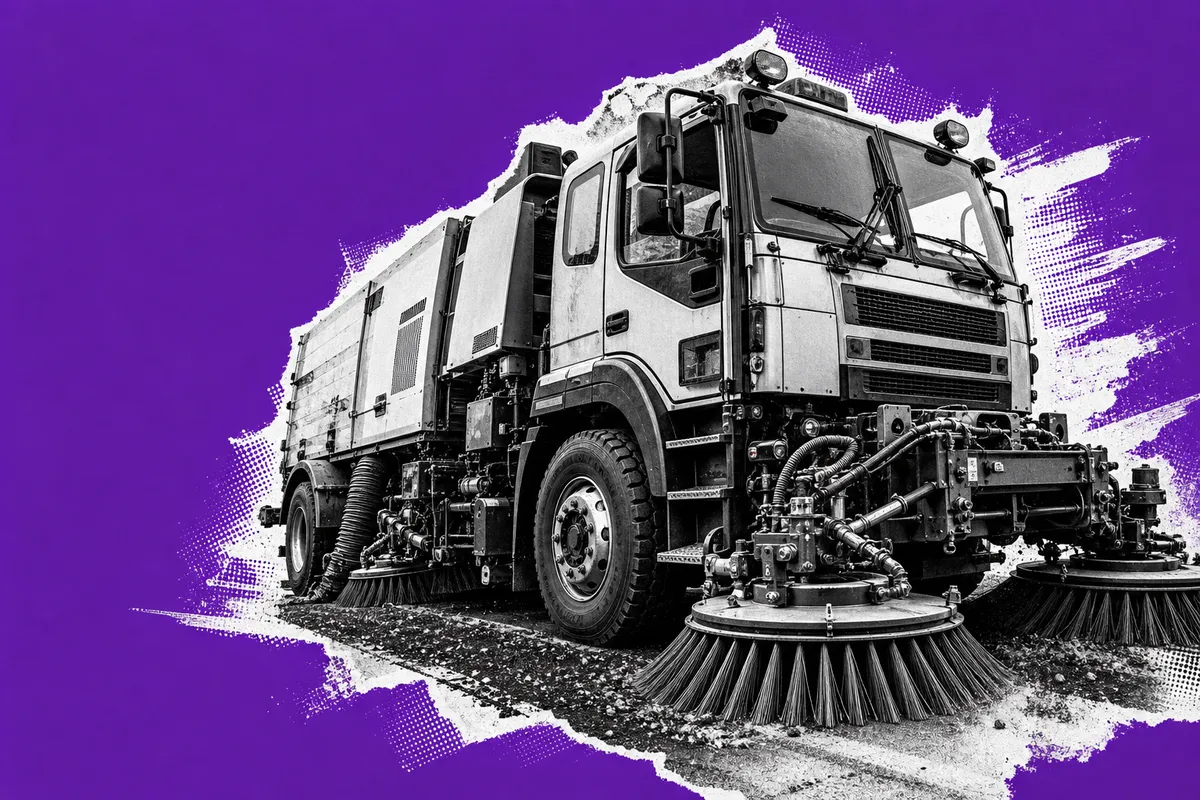
Funding the Vehicles That Keep Britain Moving
Road maintenance vehicles are expensive pieces of kit. A road sweeper, gritter or tipper truck can cost as much as a small house, and very few businesses want to hand over that much cash in one go. That is where finance comes in. It lets you spread the cost over a set period while the vehicle gets on with earning its keep. This guide explains how it works, what it typically costs, and what to think about before you sign anything.
Who Should Read This Guide
This is for contractors, plant hire firms, local authority suppliers, groundworks companies and owner-operators looking to buy or replace road maintenance vehicles. Whether you are funding your first sweeper or expanding a fleet of gritters and tar sprayers, the principles here apply to sole traders, partnerships and limited companies alike.
What Road Maintenance Vehicle Finance Actually Means
Road maintenance vehicle finance is a form of asset finance. Instead of paying the full purchase price upfront, a lender pays the supplier and you repay them in instalments, usually monthly, over an agreed term. The vehicle itself normally acts as the security for the agreement, which is why rates are often more competitive than an unsecured business loan.
The assets covered are broad. They include road sweepers and suction sweepers, gritters and salt spreaders, tipper trucks and grab lorries, tar and chip sprayers, line marking vehicles, pothole repair units, jetting and gully emptier tankers, and traffic management vans with impact protection. New and used vehicles can usually be financed, along with specialist bodies and conversions fitted to a base chassis.
Finance is not just for shiny new machines. Well-maintained used vehicles with a clear service history are frequently funded too.
Agreements typically run from two to seven years, depending on the age and expected working life of the vehicle.
How the Process Works in Practice
You start by choosing the vehicle and getting a written quote or invoice from the dealer or manufacturer. A broker or lender then reviews your business: how long you have traded, your accounts or bank statements, and your credit history. For smaller amounts, decisions can be quick and light-touch. For larger or more specialist assets, expect a more detailed look at your numbers and, sometimes, a request for a personal guarantee from directors.
Once approved, you agree the structure. That means the deposit, the term, whether there is a balloon payment at the end, and whether you want to own the vehicle outright or simply use it. The lender pays the supplier directly, you take delivery, and repayments begin the following month.
Common structures include hire purchase, where you own the asset after the final payment, and finance lease or contract hire, where you rent it for a fixed period. Seasonal businesses, such as those running gritters, can sometimes arrange profiled payments that are higher in winter and lighter in summer.
Why Businesses Choose to Finance Rather Than Buy Outright
The most obvious reason is cash flow. A single gully emptier or sweeper can absorb a huge chunk of working capital, and that money is often better used on wages, fuel, materials and bidding for the next contract. Spreading the cost turns an unpredictable lump sum into a fixed, budgetable monthly figure.
There is also a matching argument. Road maintenance vehicles earn revenue over many years, so it makes sense for the cost to be spread over a similar period rather than falling entirely in one accounting year.
Finance can help you win work too. If a local authority framework or a housing developer awards a contract at short notice, having a route to funding means you can put the right vehicle on the road quickly instead of turning the job down.
There may be tax and accounting advantages depending on the agreement type and your circumstances, but these vary. Always confirm the position with your accountant before making a decision.
Weighing Up the Benefits and Drawbacks
| Pros | Cons |
|---|---|
| Preserves cash for wages, fuel and materials | Total cost is higher than paying cash due to interest |
| Fixed monthly payments make budgeting straightforward | Missing payments can put the vehicle at risk of repossession |
| Access to newer, more reliable and compliant vehicles | Deposits or personal guarantees may be required |
| Terms can be matched to the working life of the asset | Early settlement may carry fees or additional charges |
| Hire purchase leads to outright ownership | Leasing means no ownership and possible mileage or condition penalties |
| Seasonal or profiled payments can suit gritting and surfacing work | Approval depends on trading history and credit profile |
| Can enable rapid response to new contract wins | Balloon payments create a large sum due at the end |
Points Worth Checking Before You Commit
Look past the headline monthly payment. Ask for the total amount repayable and the APR or flat rate so you can compare deals fairly. A lower monthly figure often just means a longer term or a larger balloon payment waiting at the end.
Check who is responsible for maintenance, tyres, servicing and MOTs. On a contract hire agreement some of this may be included, while on hire purchase it sits with you. Understand any restrictions on mileage, hours worked, or where the vehicle can be used, and confirm what condition it must be returned in if you do not own it.
Read the settlement terms carefully. Businesses often upgrade earlier than planned, and exit costs matter. Also check whether the funder is authorised and regulated by the Financial Conduct Authority where the agreement is a regulated one, and be aware that many business-to-business agreements fall outside consumer protections.
If a term is not clear, ask for it in writing before you sign. A reputable lender will never rush you.
Other Routes to Consider
- Hire purchase - spread the cost and own the vehicle outright once the final payment and any option-to-purchase fee are made.
- Finance lease - rent the vehicle for a fixed term with the flexibility to extend, sell on the funder's behalf or return it.
- Contract hire or operating lease - fixed monthly cost with maintenance often included and the vehicle handed back at the end.
- Short-term plant and vehicle hire - useful for one-off contracts or seasonal peaks where ownership is unnecessary.
- Unsecured business loan - flexible use of funds, though usually at a higher rate as no asset secures the borrowing.
- Refinancing existing fleet assets - release equity from vehicles you already own to fund the next purchase.
- Buying used with cash - avoids interest entirely, but ties up working capital and may mean higher repair costs.
- Sub-contracting the work - pay another operator for specialist tasks rather than buying the vehicle at all.
Common Questions Answered
Can I finance a used road maintenance vehicle? Yes. Most lenders will fund used vehicles, though the age and condition at the end of the term will influence the maximum length of the agreement.
Do I need a deposit? Often, yes. Deposits commonly range from around 10 to 20 percent, though some agreements can be arranged with little or no deposit depending on your trading history and the asset.
Will a new business be accepted? It is possible, but newer businesses may face a higher deposit, a shorter term, or a request for a director's personal guarantee.
Does the finance cover the body or conversion as well as the chassis? Usually it can. Specialist bodies, tanks, spreaders and sprayers are frequently included in the total funded amount.
What happens if I want to settle early? You can normally settle early, but a settlement figure will apply and may include some future interest or a fee. Ask for this in writing.
Is my agreement FCA regulated? Sole traders and small partnerships may have some regulated protections; most limited company agreements are unregulated. Check before signing.
Where Kandoo Fits In
Kandoo is a UK motor finance broker, and we work with a panel of lenders so you do not have to approach each one individually. We will talk through your plans, explain the options in plain English, and help you compare structures side by side so the total cost is clear. There is no pressure and no obligation. Our aim is simply to help you reach a decision you feel comfortable with.
Important Information
This article is for general information only and does not constitute financial, tax or legal advice. Finance is subject to status, affordability and lender criteria. Rates, terms and availability vary. Many business finance agreements are not regulated by the Financial Conduct Authority. Your vehicle may be at risk if you do not keep up repayments. Please speak with your accountant or a qualified adviser before entering any agreement.
Buy now, pay monthly
Buy now, pay monthly