Skip Lorry Finance: How It Works, Costs and Options
Starting with the basics
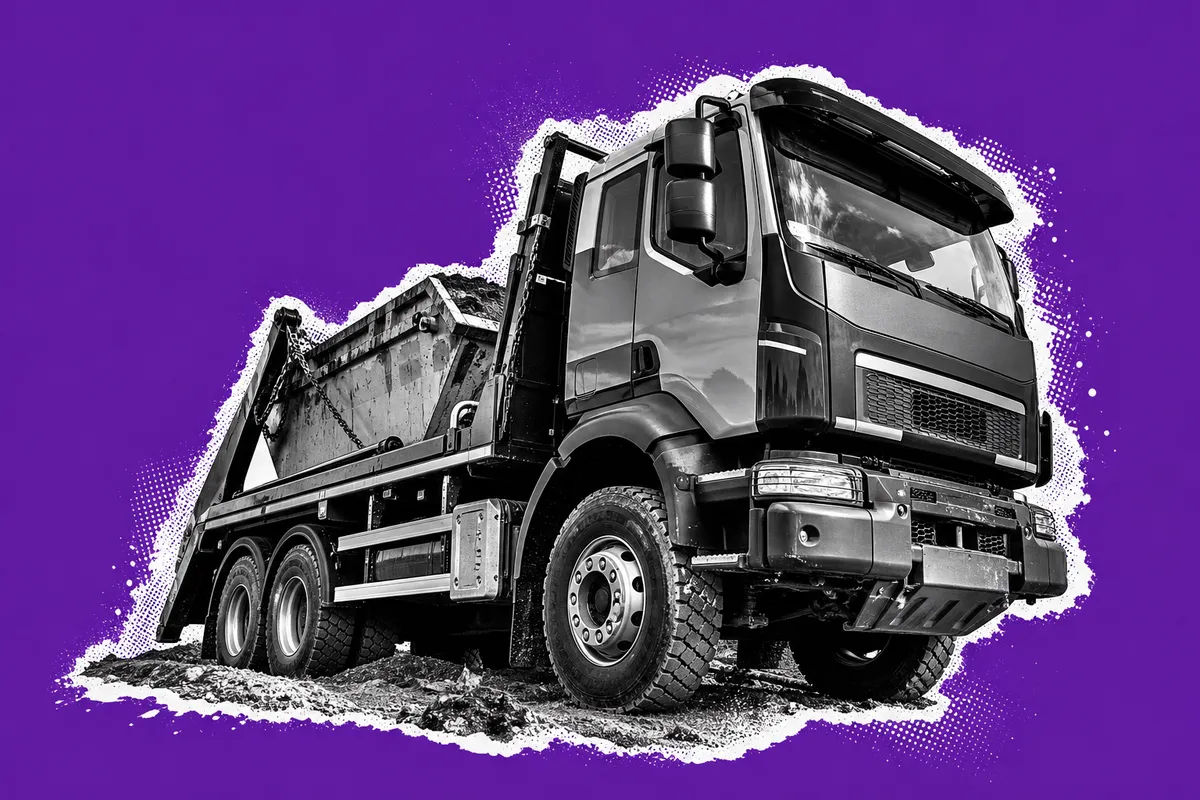
A skip lorry can be a substantial investment, whether you are replacing an older vehicle or expanding a waste management business. Finance can spread the cost, but the right arrangement depends on your cash flow, tax position and plans for the vehicle. This guide explains the main skip lorry finance options in plain English, including how applications work, which costs to compare and where extra care may be needed.
Businesses this guide can support
This guide is for UK skip hire operators, waste management companies, construction businesses and sole traders considering a new or used skip lorry. It may also help established businesses reviewing whether to buy, hire or lease their next commercial vehicle.
Understanding skip lorry finance
Skip lorry finance is a form of commercial vehicle funding. Instead of paying the full purchase price upfront, a business usually pays a deposit followed by agreed monthly payments. The lender or finance provider funds the vehicle, while the legal ownership arrangements depend on the type of agreement.
Hire purchase is a common option. You normally pay a deposit, make fixed monthly payments and become the owner after completing the agreement and paying any applicable purchase fee. Lease purchase can work similarly but may include a larger final payment. Finance lease generally allows the business to use the lorry without automatically owning it, while contract hire may combine vehicle use with selected services.
Commercial finance is not always regulated in the same way as personal car finance. The agreement type, amount borrowed and legal status of the borrower can affect the protections available.
From application to vehicle purchase
The process usually starts by choosing a suitable skip lorry and estimating how much you can afford as a deposit. A lender will then assess the business, the people behind it and the vehicle itself. Checks may include trading history, filed accounts, bank statements, existing borrowing, credit records and expected affordability.
The lorry's age, mileage, condition, lifting equipment and resale value can also influence the decision. A specialist or heavily used vehicle may be assessed differently from a standard commercial van.
If approved, the lender provides terms showing the deposit, amount financed, payment schedule, interest or other finance charges, fees and total amount payable. Depending on the product, the finance provider may pay the supplier directly. You should read and accept the agreement only after checking that the vehicle description, repayment terms and ownership position are correct.
Approval is never automatic. Terms depend on status, eligibility, affordability and individual lender criteria.
Why businesses choose to finance
Financing can protect working capital by avoiding one large upfront payment. This may leave money available for wages, insurance, fuel, repairs, permits and other operating costs. Regular payments can also make budgeting more predictable when the interest rate and repayment schedule are fixed.
However, lower initial expenditure does not mean a lower overall cost. Interest, arrangement fees, documentation charges and final payments can make financing more expensive than buying with available cash. The business must also keep making payments during quieter periods or when the lorry is off the road.
The right decision depends on expected utilisation, contract income, maintenance exposure and how long you intend to keep the vehicle. Tax and VAT treatment can vary between buying, hire purchase and leasing, so an accountant should confirm the position for your business.
Benefits and possible drawbacks
| Potential advantages | Potential disadvantages |
|---|---|
| Spreads the cost across an agreed period | Interest and fees increase the overall cost |
| Can preserve cash for day-to-day operations | Missed payments may damage credit and put the vehicle at risk |
| Fixed payments may support business budgeting | The agreement may restrict sale or modification of the lorry |
| May make a newer or more suitable vehicle affordable | A deposit or larger final payment may be required |
| Some agreements lead to ownership | Leasing does not necessarily result in ownership |
| Payments may have tax or accounting benefits in some circumstances | Tax treatment depends on the agreement and business circumstances |
| A suitable vehicle may support additional contracts | The debt remains payable even if expected work does not materialise |
Checks worth making before you sign
Compare the total amount payable rather than focusing only on the monthly figure. Check whether the quoted rate is an APR, a flat rate or another commercial pricing measure, as these are not directly interchangeable. Ask about arrangement fees, option-to-purchase fees, early settlement terms, late payment charges and any final balloon payment.
Confirm whether VAT is payable upfront or across the rentals. VAT recovery depends on registration, business use and HMRC rules, so obtain professional tax advice rather than assuming it can be reclaimed.
Inspect used vehicles carefully, including the chassis, lifting gear, hydraulic system, tyres, service history and weight capacity. Establish who pays for maintenance, breakdowns, inspections and legally required testing.
Most skip lorries also bring operational responsibilities. Depending on the vehicle and its use, you may need the correct operator licence, driver entitlement, Driver CPC compliance, insurance and environmental permissions. Check current GOV.UK, DVSA and local authority requirements before committing.
Other ways to fund or access a lorry
Cash purchase: Buying outright avoids finance interest and usually gives immediate ownership. It can, however, use capital that may be needed elsewhere in the business.
Hire purchase: A deposit and regular payments lead towards ownership, subject to completing the agreement and paying any purchase fee. The vehicle is normally at risk if payments are not maintained.
Finance lease: The business pays to use the vehicle for an agreed period. Monthly costs may be manageable, but ownership does not usually transfer automatically.
Contract hire: The lorry is hired for a fixed term and returned at the end. Maintenance may be included, although mileage, condition and usage restrictions can apply.
Short-term rental: Rental can suit temporary contracts, seasonal demand or businesses testing a new service. It is flexible but may cost more over a long period.
Business loan: A loan can fund a cash purchase, meaning the business may own the vehicle from the start. The loan remains repayable even if the lorry is sold or becomes unusable.
Asset refinance: A business may release funds from an asset it already owns. This can support cash flow but places the asset within a new finance commitment.
Common skip lorry finance questions
Can a new business finance a skip lorry?
Potentially, but lenders may require more evidence when there is little trading history. A detailed business plan, relevant industry experience, confirmed contracts, bank statements and a larger deposit may help demonstrate affordability. Approval and pricing remain subject to lender criteria.
How much deposit will I need?
There is no universal deposit. The amount can depend on the vehicle, business profile, credit history and finance product. A higher deposit may reduce the amount borrowed and monthly payments, but it also uses more working capital.
Can I finance a used skip lorry?
Yes, some lenders consider used vehicles. They may set limits based on age, mileage, condition and expected age at the end of the agreement. Older lorries can also carry greater maintenance and downtime risk, so assess the total operating cost.
Can I get finance with poor credit?
Past credit problems do not always prevent an application, but they can reduce the number of available lenders or lead to a higher deposit and cost. Be open about previous issues and avoid making multiple applications without understanding whether hard credit searches will be used.
What determines the monthly payment?
Payments are normally influenced by the purchase price, deposit, agreement length, interest or finance charge, fees and any final payment. A longer term may lower monthly payments but can increase the total cost and extend the period of financial commitment.
Is skip lorry finance regulated by the FCA?
Some agreements may be regulated, while others may fall outside consumer credit regulation because of the amount, business purpose or type of borrower. Do not assume the same protections apply as with personal car finance. Ask the broker or lender to explain the agreement's regulatory status and your cancellation, complaint and early settlement rights.
Can finance payments be claimed as a business expense?
Tax treatment depends on the agreement and your circumstances. Interest, lease rentals, capital allowances and VAT may be treated differently. A qualified accountant or tax adviser should confirm what can be claimed and when.
What happens if I miss payments?
The provider may charge fees, report arrears to credit reference agencies and take steps to recover the vehicle. Business and personal credit records may be affected, and a personal guarantee could expose the guarantor to liability. Contact the provider early if financial difficulty appears likely.
How Kandoo may support your search
Kandoo is a UK motor finance broker, not a lender. We can discuss your requirements and help you explore suitable finance options available through our lender relationships, subject to eligibility and lender criteria. We will explain relevant costs and terms so you can compare them carefully. Before proceeding, check which lenders were considered, whether commission is payable and how it may affect the arrangement.
Important financial and legal note
This guide provides general information, not personal financial, legal or tax advice. Finance is subject to status, affordability and lender criteria. Business finance protections vary, and missed payments can have serious consequences. Check all agreement documents and seek independent professional advice where necessary.
Buy now, pay monthly
Buy now, pay monthly