Should You Buy a Write Off Car
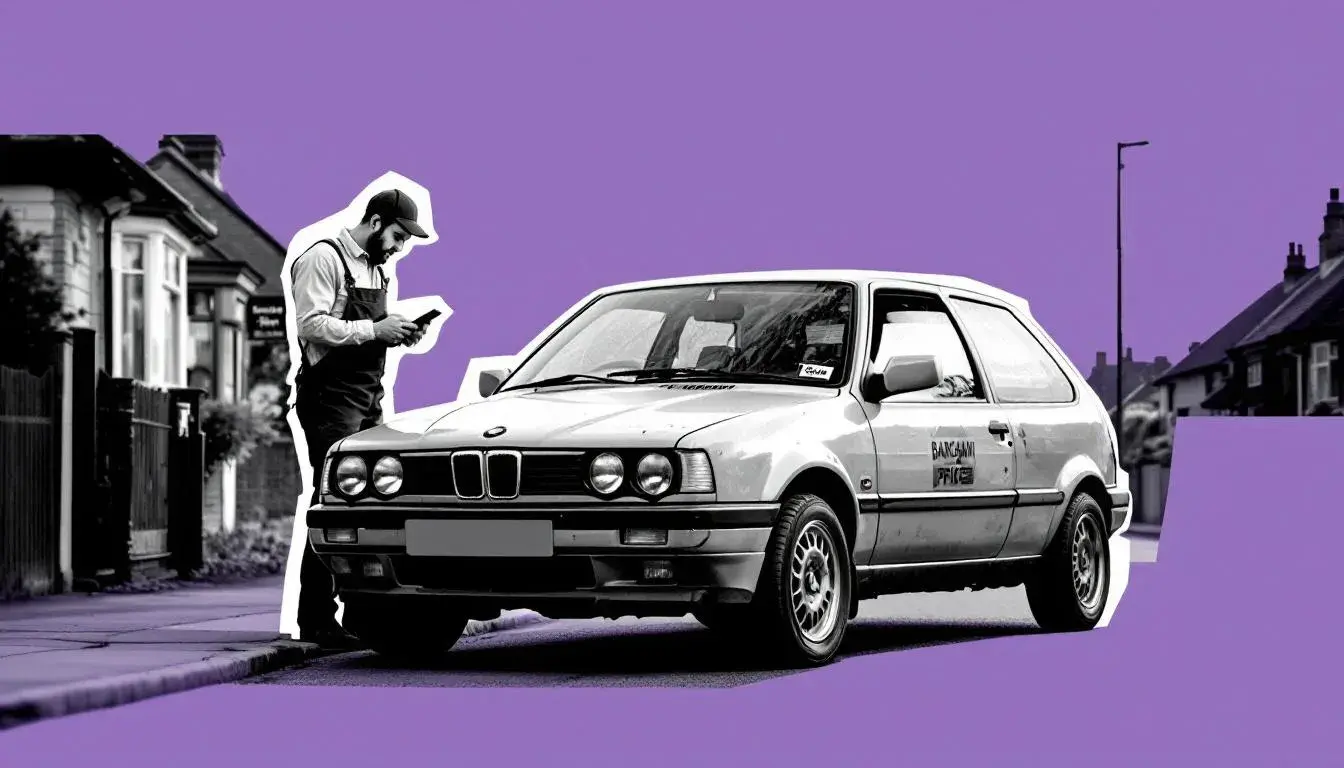
A bargain with a backstory
Buying a write-off car can feel like finding money on the pavement: the price looks unusually low, the spec is tempting, and the seller may insist the damage was “only cosmetic”. But in the UK, write-offs are not rare edge cases. Since 2019, more than 3 million vehicles have been written off, with annual totals often above 500,000, so a meaningful number of repaired cars re-enter the used market.
That scale matters because it changes the odds. As a driver, you are far more likely to come across a previously written-off vehicle than you might expect, especially when searching for keenly priced cars online. The good news is that certain write-off categories can be repaired, MOT’d and insured for road use. The hard part is making sure you understand what you are buying, what it may cost to run, and how it may affect future value.
Who this is most useful for
This guide is for UK drivers considering a cheaper used car who want to avoid nasty surprises. It is particularly relevant if you are shopping on a tight budget, looking at private sales, or seeing “Cat N” or “Cat S” in adverts and wondering whether that is a deal-breaker.
It is also for owners whose cars have been written off and who want to sanity-check valuations and next steps. Understanding how write-offs work makes it easier to negotiate confidently and recognise when a “bargain” price is actually fair for the risk you are taking.
What a write-off really means in the UK
A car is typically written off when an insurer decides it is uneconomic to repair, often because the estimated repair costs are around 50-60% (or more) of the vehicle’s market value. That does not always mean the car is beyond repair in practical terms. It can simply mean the repair bill is high relative to what the car is worth, especially once labour, parts, storage, and the insurer’s administrative costs are considered.
In the UK, write-off categories help indicate what happened next. Category A and Category B vehicles are not meant to return to the road. Category N (non-structural damage) and Category S (structural damage) can, in principle, be repaired and driven again if they are put back into a roadworthy condition.
How Cat N and Cat S cars get back on the road
If a vehicle is Category N or Category S, it may be repaired privately or by a specialist and then returned to use, provided it is roadworthy. In practice, that means the repairs should be completed to a safe standard, and the car must meet legal requirements, including passing an MOT when one is due.
Insurance is usually possible for repaired Category N and S cars, but you should expect extra scrutiny and, in some cases, higher premiums because insurers can view previous damage as an added risk. Modern cars also complicate matters: advanced driver-assistance systems and electric powertrains can be harder to repair correctly, and industry salvage rules have been updated to reflect that reality. The sensible approach is to treat a repaired write-off as a vehicle that needs better evidence, not blind faith.
Why the decision is not just about the sticker price
The appeal is straightforward: write-off history tends to reduce a car’s value because some buyers will not touch it, even if it drives perfectly. That stigma can create genuine bargains if the repair was done properly and priced honestly. However, the same stigma can also hurt you later when you come to sell, because you may face a smaller pool of buyers and firmer price negotiations.
There is also a wider lesson about valuations. UK regulators have found that large numbers of motorists were underpaid for written-off or stolen vehicles, leading to a substantial compensation scheme. The takeaway for buyers and sellers is that “market value” is not always handled perfectly, and evidence matters. If you are assessing a repaired write-off, you are effectively doing your own valuation exercise: balancing risk, condition, insurance costs, and future resale reality.
Pros and cons at a glance
| Factor | Potential upside | Potential downside |
|---|---|---|
| Purchase price | Often cheaper than an equivalent non-write-off car | Discount may be smaller than the true risk if priced badly |
| Road legality | Cat N and Cat S can be repaired and used if roadworthy | Cat A and Cat B are not for road use |
| Insurance | Often insurable if properly repaired | Premiums can be higher; some insurers may decline |
| Safety and reliability | Can be perfectly safe if repaired to a high standard | Hidden damage is possible, especially for Cat S |
| Resale value | Lower entry price can limit depreciation in pounds | Write-off history typically reduces resale and buyer demand |
| Modern tech | Specialists can repair and calibrate systems correctly | ADAS and EV systems can be expensive and hard to verify |
The checks that separate a smart buy from an expensive lesson
The biggest risk is not that a write-off is automatically unsafe, but that you do not have enough proof it was repaired properly. Start by confirming the write-off category and ensuring the car is not a Category A or B being misrepresented. Then verify identity and history: check the V5C details, match the VIN to the vehicle, and use a reputable vehicle history check to confirm recorded write-off status.
Next, focus on evidence of repairs and quality. Look for itemised invoices, photos from before and during repair, and signs that replacement parts and paintwork were done professionally. Pay close attention to panel gaps, tyre wear, warning lights, and whether driver-assistance features behave as expected. If anything feels unclear, an independent inspection is money well spent, particularly for Category S cars where structural elements were involved.
If the seller cannot explain the damage and the repairs clearly, assume the risk is higher than the price suggests.
Alternatives worth considering
A higher-mileage non-write-off car with full service history.
A cheaper trim level of the same model with no write-off record.
A manufacturer-approved used car with warranty support.
A short-term lease or subscription while you save a larger deposit.
A different model known for lower insurance groups and parts costs.
FAQs
Can you legally drive a write-off car in the UK?
Yes, if it is a repaired Category N or Category S vehicle that is roadworthy and meets legal requirements (including a valid MOT when required). Category A and B vehicles are not intended to return to the road.
What is the difference between Cat N and Cat S?
Category N indicates non-structural damage, while Category S indicates structural damage. Both can be repaired and used again, but Cat S typically warrants more caution because structural repairs can be harder to assess and verify.
Will insurance be more expensive on a repaired write-off?
It can be. Many repaired Cat N and Cat S cars can be insured, but some insurers may charge more due to perceived risk, and you may have fewer options. It is wise to check likely premiums before you buy.
How much should a write-off car be discounted?
There is no single rule. The discount should reflect the category, the quality of repairs, the strength of documentation, and the reality of reduced resale demand. If the price is close to an equivalent non-write-off, you will need unusually strong evidence to justify it.
What if an insurer undervalues my car after it is written off?
Valuations can be challenged. Gather evidence such as comparable adverts, service history, optional extras, and condition notes. If you cannot resolve the dispute, there are formal complaint routes available, and past reviews have shown that underpayments can and do occur.
How Kandoo can help
If you are weighing up a repaired write-off versus a standard used car, financing and total cost matter as much as the headline price. Kandoo can help you compare options and connect you with suitable finance choices for what you are looking for, so you can make a decision based on the full picture, not just the monthly figure.
Next step: before committing, check insurance quotes for that exact registration and run a full history check so you know the category and recorded status.
Disclaimer
This article is general information for UK readers and is not financial, legal, or mechanical advice. Always carry out independent vehicle history checks, consider a professional inspection, and confirm insurance availability and costs before buying. Finance is subject to status and eligibility, and terms can vary by lender and personal circumstances.
Buy now, pay monthly
Buy now, pay monthly