Short-Term Loans: What Is a Short-Term Loan?
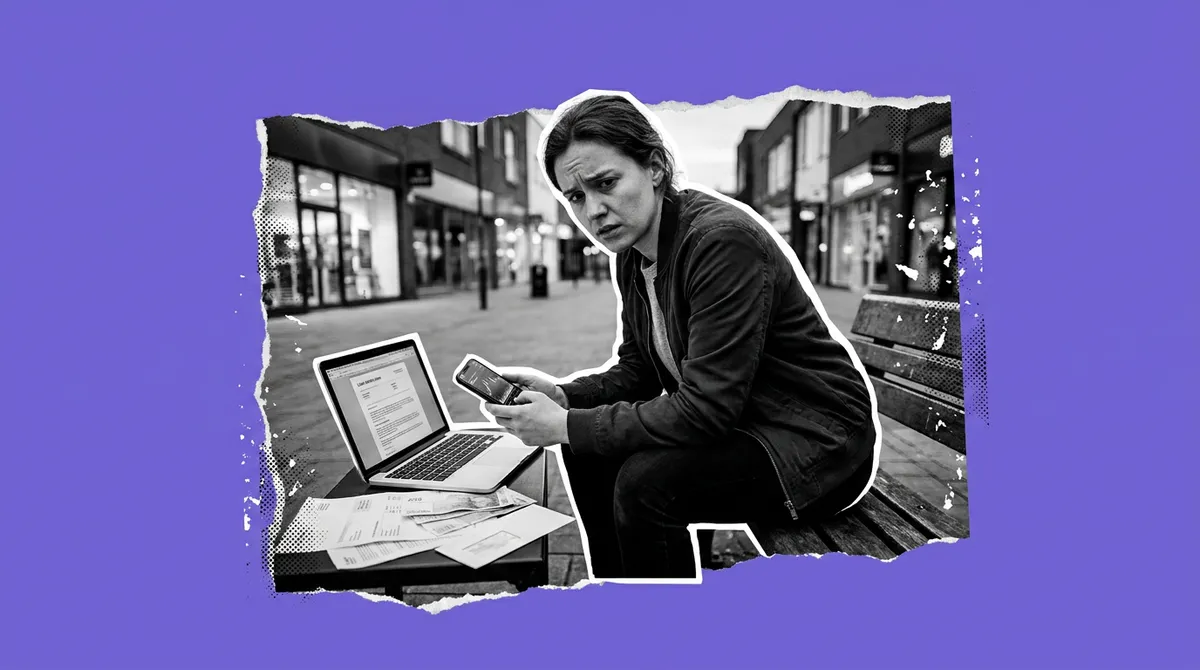
Borrowing a Small Amount for a Short Time
Money doesn't always arrive when you need it. A boiler gives up a week before payday, the car fails its MOT, or a bill lands earlier than expected. A short-term loan is one way people bridge that kind of gap: you borrow a modest amount and pay it back over a short period, usually within a few months.
It can be a useful tool. It can also be an expensive one if things slip. This guide explains what a short-term loan actually is, how it works in the UK, and what to weigh up before you apply.
Who This Guide Is Written For
This is for anyone in the UK who has typed "short-term loan" into a search bar and wants a straight answer before making a decision. It's especially useful if you're facing an unexpected cost, comparing borrowing options for the first time, or simply trying to understand what these products involve.
What a Short-Term Loan Actually Is
A short-term loan is a form of regulated consumer credit designed to be repaid quickly. In the UK, that usually means a repayment period of somewhere between one and twelve months, with many products settled within one to six months.
These loans are almost always unsecured. That means you're not putting up your home, car or any other asset as security, so approval tends to be quicker and the sums involved are smaller. Typical amounts sit somewhere in the region of £100 to £1,500, although the exact range depends entirely on the lender and on what you can realistically afford to repay.
The best-known type is the payday loan. The Financial Ombudsman Service describes these as small loans, commonly between £50 and £1,000, repaid in full plus interest on or shortly after your next payday. But "short-term lending" covers more than payday borrowing alone. It also includes instalment loans repaid over several months and some open-ended credit facilities.
Short-term borrowing is a category, not a single product. Two loans with the same label can behave very differently.
How the Process Works in Practice
Most applications now happen online and take minutes to complete. You tell the lender how much you want to borrow and over what period, then supply details about your income, outgoings and circumstances.
What happens next is the part that matters most: the affordability assessment. UK lenders are required to check whether you can reasonably repay what you're asking for, not simply whether the amount looks small. They'll look at your income, existing commitments and credit history. This is why two people applying for the same figure can receive very different answers, and why the loan you're offered may be smaller than the one you requested.
If you're approved, you'll receive a pre-contract credit agreement setting out the amount, the interest rate, the total repayable and each payment date. Funds are often transferred the same day.
Repayment then follows one of two shapes. A traditional payday loan is settled in a single lump sum on your next pay date. An instalment version spreads the cost across several monthly payments, sometimes up to a year. Both are usually collected automatically from your bank account.
Why People Choose Them, and Why Regulators Watch Them Closely
The appeal is straightforward: speed, small amounts and no need for collateral. MoneyHelper describes short-term loans as designed to provide emergency money until you get paid, and Citizens Advice frames payday loans in similar terms. The common use cases are practical rather than planned - a repair that can't wait, a timing mismatch between income and outgoings, an unexpected bill.
That convenience comes at a price. Because these loans are unsecured and issued quickly, interest rates are considerably higher than on longer-term credit. MoneyHelper is clear that short-term loans are an expensive way to borrow if they aren't repaid on time and in full, and that the longer you take to repay, the more interest you pay.
This is also why the UK market is tightly regulated. Short-term lending is treated as formal consumer credit, not an informal cash advance. Lenders must present costs and terms clearly, carry out affordability checks, and handle complaints properly. If something goes wrong, the Financial Ombudsman Service can review your case.
Weighing Up the Trade-Offs
| Potential benefits | Points of caution |
|---|---|
| Funds can often arrive the same day | Interest rates are high compared with most other credit |
| No asset used as security, so your home or car isn't at risk | Costs can escalate quickly if repayment is delayed or extended |
| Small amounts available, so you borrow only what you need | Not designed for long-term or repeat borrowing |
| Regulated products with clear cost disclosure and complaint rights | Missed payments can damage your credit file |
| Choice of lump sum or instalment repayment structures | A single lump-sum repayment can strain the following month's budget |
| Short commitment - the debt is cleared quickly when repaid on time | Lower-cost alternatives may be available and are often overlooked |
Details Worth Checking Before You Sign
Start with the total amount repayable rather than the monthly figure. A smaller monthly payment spread over a longer period often costs more overall, so compare the full cost of borrowing side by side.
Check the repayment structure carefully. If the full balance is due in one lump sum on payday, ask yourself honestly whether your budget will absorb it without creating a shortfall that pushes you back into borrowing the following month. That cycle is where short-term credit becomes genuinely expensive.
Look closely at fees for late or missed payments, and at whether the lender offers rollovers or extensions. Extending a loan almost always increases the cost. UK consumer guidance is consistent on this point: short-term loans may solve an immediate problem, but they can become costly when rolled over.
Finally, confirm the lender is authorised by the Financial Conduct Authority. And be aware that "short-term finance" means something different in a business context, where it covers overdrafts, invoice finance and merchant cash advances for working capital rather than personal emergency credit.
Options Worth Exploring First
- Speak to the company you owe money to. Many utility providers, councils and lenders will agree a payment plan or short delay at no cost, which removes the need to borrow at all.
- Check your existing overdraft. An arranged overdraft can be cheaper than a short-term loan for a small, brief shortfall, though you should always compare the rates.
- Ask your employer about a salary advance. Some employers offer early access to earned wages, often at little or no cost.
- Consider a credit union loan. Credit unions typically offer smaller loans at capped rates and are designed to serve members rather than maximise profit.
- Look at a longer-term personal loan. If you need a larger sum, a conventional loan spread over a longer period usually carries a lower interest rate.
- Borrow from family or friends. Not always possible or comfortable, but often the cheapest route. Agree the repayment terms clearly to avoid misunderstandings.
- Get free debt and budgeting advice. MoneyHelper, Citizens Advice and StepChange offer free, impartial support that can uncover options you hadn't considered.
Common Questions Answered
How long is a short-term loan, exactly? There's no single legal definition, but in UK consumer credit it generally means borrowing repaid within twelve months. In practice, many short-term loans are repaid within one to six months, and payday loans in a single payment on your next pay date.
Are short-term loans regulated in the UK? Yes. They're treated as regulated consumer credit. Lenders must be authorised by the Financial Conduct Authority, disclose costs clearly, assess affordability, and handle complaints. If a complaint isn't resolved fairly, the Financial Ombudsman Service can look at it.
Do I need to provide security or a guarantor? Usually not. Short-term loans in the UK are typically unsecured, so no asset is at risk. Guarantor loans are a separate product with different terms.
How much can I borrow? Commonly somewhere between £100 and £1,500, though this varies by lender. The bigger factor is affordability - what the lender believes you can comfortably repay based on your income and commitments.
Will applying affect my credit score? A full application usually involves a hard credit search, which is recorded. Repaying on time can help your file; missed payments will harm it. Many lenders offer a soft-search eligibility check first.
Can I repay early? In most cases yes, and doing so normally reduces the interest you pay. Check the agreement for any early settlement terms before you commit.
What happens if I can't make a payment? Contact the lender before the payment is due. Regulated lenders are expected to treat customers in financial difficulty fairly and may be able to agree an alternative arrangement. Free advice from StepChange or Citizens Advice is also available.
Where Kandoo Fits In
Kandoo is a UK finance broker, not a lender. That means we sit on your side of the table, helping you see the options available across a panel of lenders and understand what each one would actually cost you.
We'll explain the terms in plain English, highlight the total repayable rather than just the headline rate, and point out where a different type of finance might suit you better. No pressure, no jargon - just clear information so you can decide with confidence.
Important Information
This article is general information about how short-term loans work in the UK and does not constitute financial advice or a recommendation to borrow. Your circumstances are unique, and borrowing decisions should be based on your own budget and affordability. Always read the credit agreement in full before signing. For free, impartial guidance, contact MoneyHelper, Citizens Advice or StepChange. Kandoo is a credit broker, not a lender.
Buy now, pay monthly
Buy now, pay monthly