Online Loans: What Is an Online Loan?
Borrowing Without Leaving the Sofa
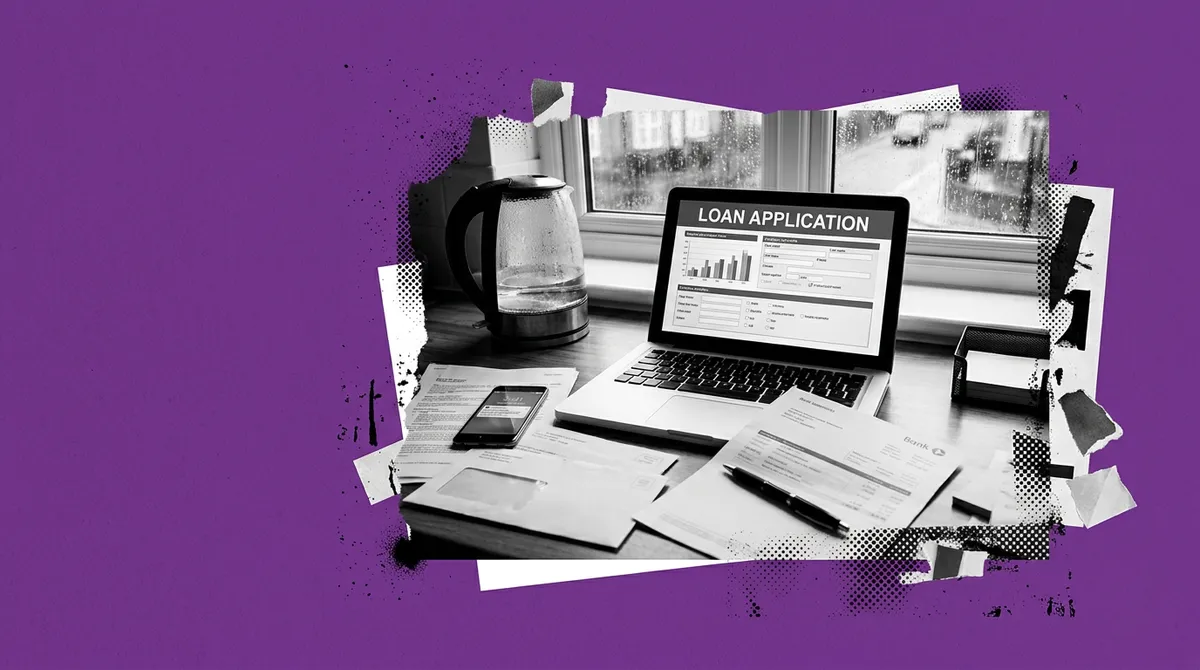
Most of us now do our banking on a phone, so it makes sense that borrowing has moved the same way. An online loan simply means a loan you apply for over the internet rather than in a branch or over the phone. You fill in a form, the lender makes a decision, and if you're approved the money usually lands in your bank account.
That's the whole idea. The tricky part is knowing what kind of loan you're actually applying for, what it will cost, and whether the lender is one you can trust. This guide walks through it in plain English.
Who This Guide Is Written For
This is for anyone in the UK thinking about applying for credit online - whether that's a personal loan for a car or home project, or short-term borrowing to cover an unexpected bill. It's also useful if you've seen adverts promising fast decisions and want to understand what's really happening behind the screen.
What an Online Loan Actually Is
An online loan is a loan where the application, the decision and often the ongoing management all happen digitally. That's it. The word "online" describes the channel, not the product.
This matters more than people expect. Under that one label sit very different types of credit. You might find a mainstream unsecured personal loan from a high street bank, where you borrow a fixed amount and repay it in monthly instalments with interest. You might find an instalment loan from a specialist digital lender. Or you might find a payday loan, which the Financial Conduct Authority classes as high-cost short-term credit - unsecured borrowing with an APR of 100% or more, repayable in full or largely within twelve months.
"Online" tells you how you apply. It tells you nothing about how much the loan costs.
So two loans advertised as "online loans" can sit at completely opposite ends of the cost spectrum. Always look at the product itself: the amount, the term, the APR and the total you'll repay.
How the Process Works From Start to Finish
Typically you'll choose an amount and a repayment term, then enter details about your income, employment, address history and bank account. The lender runs a credit check and assesses whether the repayments are genuinely affordable for you. If everything lines up, you'll be shown an agreement to read and sign electronically.
Some lenders say a decision can be reached within hours and funds can arrive the same day. That does happen, but it isn't guaranteed. Speed depends on the lender, on how quickly your identity and income can be verified, and on your bank's processing times.
What online applications don't do is remove the checks. Responsible lending rules in the UK require firms to assess affordability regardless of how you applied. A slick five-minute form can make borrowing feel frictionless, but the underwriting still happens in the background - and the legal obligation to repay is exactly the same as it would be if you'd walked into a branch.
Why People Choose to Borrow This Way
Convenience is the honest answer. There's no appointment to book, no paperwork to post, and you can compare several lenders in an evening rather than over several weeks. For people with irregular hours or no nearby branch, that access genuinely matters.
There's also the matter of timing. MoneyHelper describes short-term loans as borrowing designed to bridge an emergency cash gap until you're next paid, with funds going straight into your bank account. Citizens Advice frames payday loans similarly - small amounts, short terms, available from shops or internet sites. When a boiler fails or a car won't start, speed has real value.
But that same framing is a warning. These products are built for specific, temporary cash-flow problems. They're not a budgeting tool, and using them repeatedly to cover everyday spending is usually a sign that something else needs addressing. A longer-term personal loan is a different proposition again - useful for planned spending, but still a commitment stretching over years.
Weighing It Up
| Advantages | Drawbacks |
|---|---|
| Apply any time, from anywhere, without an appointment | Easy to apply quickly without fully reading the terms |
| Decisions can be faster than branch-based applications | Fast decisions aren't guaranteed - verification can delay funds |
| Simple to compare several lenders and total costs side by side | Search results mix mainstream loans with high-cost credit |
| Documents and statements stored digitally for easy reference | Harder to ask questions face to face if something is unclear |
| Regulated lenders must still explain costs and complaints routes clearly | Illegal lenders also operate online and can look convincing |
| Money usually paid directly into your bank account | Missed payments still damage your credit file and add charges |
Warning Signs Worth Taking Seriously
The single most important check is authorisation. StepChange warns that illegal lenders, or loan sharks, are not regulated by the FCA. They may refuse to give you paperwork, hide the true cost, keep adding charges so the debt never seems to shrink, and in some cases become threatening or violent. Before you enter any details, look the lender up on the FCA register. If they're not there, walk away.
Beyond that, good paperwork tells you a lot. StepChange notes that legitimate loan documents should set out the overall cost of the loan, the complaints procedure, and details of the Financial Ombudsman Service. If a website is loud about speed but vague about APR, fees, or what happens if you miss a payment, treat that as a red flag.
Be cautious too with anyone promising guaranteed approval or no credit check. Authorised UK lenders assess affordability - that's a legal requirement, not an obstacle. A firm claiming to skip it is either misleading you or operating outside the rules.
Other Routes Worth Considering First
- Speak to whoever you owe. Many utility providers, councils and lenders offer payment plans or breathing space if you explain early. This costs nothing and often solves the problem outright.
- Check your existing credit. An authorised overdraft or a 0% purchase credit card may be cheaper than short-term borrowing, provided you can clear it within the interest-free window.
- Look at credit unions. UK credit unions cap the interest they can charge and often lend smaller sums to members on fairer terms than high-cost lenders.
- Ask about grants and support. Depending on your circumstances, you may be eligible for a Budgeting Advance, local welfare assistance, or charitable grants that don't need repaying.
- Compare mainstream personal loans. If the borrowing is planned rather than urgent, a standard unsecured personal loan over a fixed term is usually far cheaper than short-term credit.
- Get free debt advice. StepChange, Citizens Advice and MoneyHelper offer impartial help at no cost, and can sometimes find options you hadn't considered.
- Consider point-of-sale finance. For a specific purchase, finance arranged through a retailer may offer clearer terms and lower rates than a general-purpose loan.
Common Questions
Is an online loan the same as a payday loan? No. A payday loan is one type of online loan, but many online loans are ordinary unsecured personal loans repaid in monthly instalments. Always check the APR and term rather than the label.
Will I still need a credit check? Yes, in almost all cases. UK lenders are required to assess affordability, which normally involves reviewing your credit history, income and outgoings. Applying online changes the channel, not the checks.
How quickly can I get the money? Some lenders make a decision within hours and pay out the same day. Others take longer, particularly if they need to verify your identity, income or bank details. Treat same-day funding as possible, not promised.
How do I know a lender is legitimate? Search the FCA register before you apply. Authorised firms will also give you paperwork setting out the total cost, how to complain, and your right to escalate to the Financial Ombudsman Service.
Are online loans regulated? When offered by an FCA-authorised firm, yes - the agreement is a regulated credit agreement with the same protections as any other consumer loan. Payday-style products in particular have been subject to intensive regulatory scrutiny in the UK.
Can I cancel if I change my mind? Most regulated credit agreements come with a withdrawal right, typically 14 days, though you'll need to repay what you've borrowed plus any interest accrued. Check your agreement for the specifics.
Where Kandoo Fits In
Kandoo is a UK finance broker, which means we're not tied to a single lender. We take your details once and match you with lenders from our panel who are most likely to be able to help, so you can see realistic options without submitting form after form.
We explain the numbers in plain terms - what you'd repay each month, over how long, and at what total cost - and we only work with authorised lenders. No pressure, no jargon, just a clearer view before you commit.
Important Information
This article is general information about how online loans work in the UK and is not financial advice or a recommendation to borrow. Your circumstances are unique, so consider your own affordability carefully before applying. Borrowing costs, eligibility and terms vary by lender. For free, impartial guidance, contact MoneyHelper, Citizens Advice or StepChange. Always check a lender's status on the FCA register before sharing personal details.
Buy now, pay monthly
Buy now, pay monthly