MOT Advisories: What They Mean When Buying a Used Car
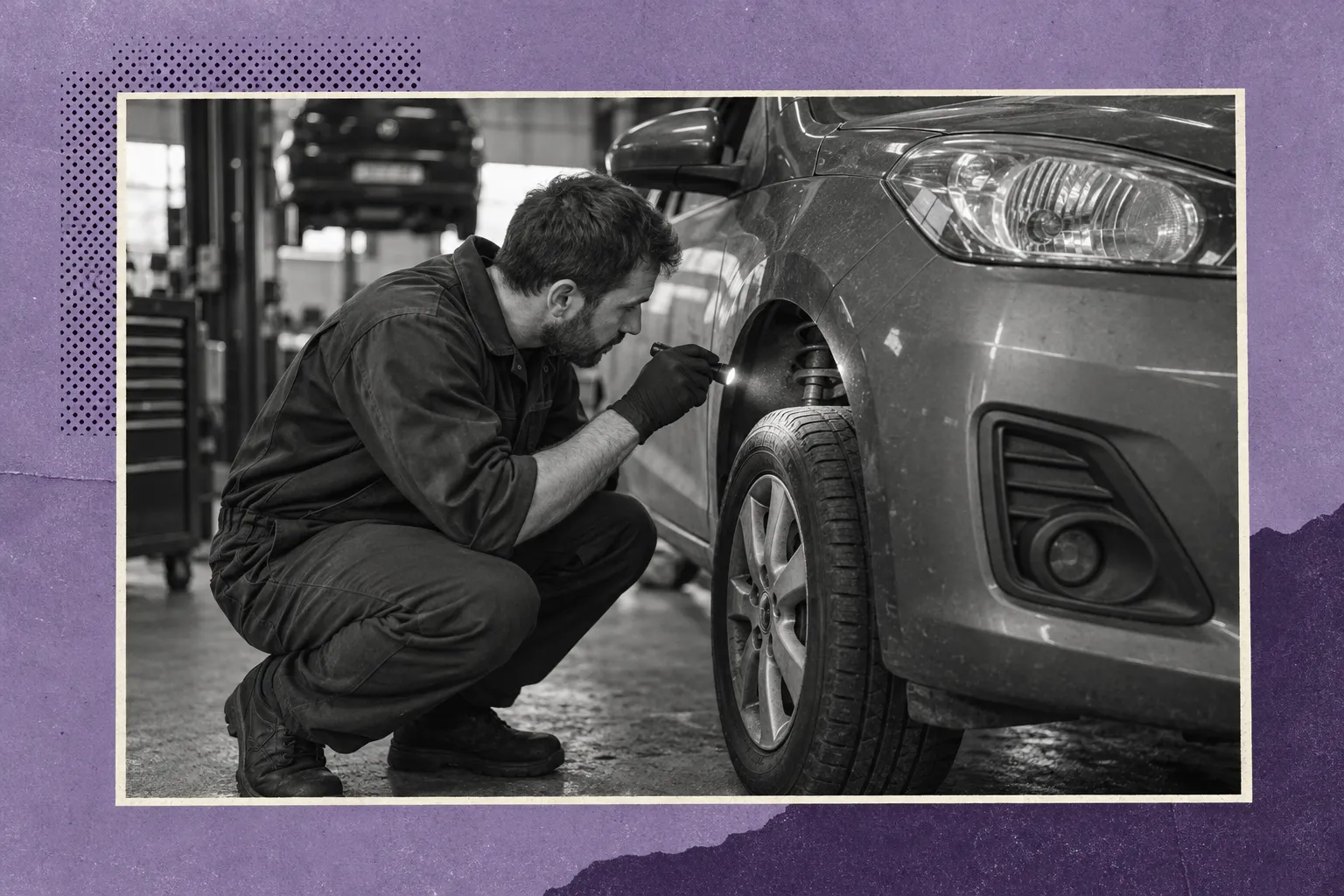
An advisory is a clue about future work, not an automatic reason to reject a car. Learn how to read repeated entries, ask for repair evidence and budget before buying.
An MOT advisory records something the tester thinks you should monitor or address, even though it has not caused that test to fail. It can flag an approaching bill, but its significance depends on the issue, the car's current condition and any work completed since the test.
A short list of advisories can be perfectly manageable. A clean certificate can still accompany an expensive mechanical problem. Treat the MOT history as one part of your buying checks, rather than a complete health report.
Read the actual test result
A major or dangerous defect means an MOT failure. Minor defects do not cause a failure, while advisories identify matters that may need attention in future. The exact wording and category matter, so read the official result rather than the seller's summary.
A car may pass after failed items are repaired and still have advisories. Check both entries if there was a retest. A later pass tells you the vehicle met the test requirements at that point; it is not proof that every note in the history was repaired.
In Great Britain, use the official MOT history service with the registration number. Northern Ireland uses its own vehicle-testing system, so check the appropriate DVA records and documents for a car tested there. Our guide to checking MOT history explains the starting process.
Work out what each advisory means for this car
Two advisories can describe very different costs. A tyre approaching its wear limit may be straightforward to price. A corrosion note needs an understanding of the location, extent and whether it has deteriorated. A comment about play in a suspension component needs a mechanic's judgement.
Ask what the note means on that particular model. Avoid diagnosing a repair from a few words online. The same description may involve a simple component on one vehicle and more labour on another.
For each entry, write three questions: is it still present, is it safe now, and what would it cost to put right? A seller who answers only “it passed” has not answered those questions.
The same note across several MOTs
If the same concern appears for several years, it may have been monitored without becoming a failure. It could also suggest maintenance has been postponed. The history alone cannot tell you which explanation is correct.
Look at the mileage between tests and whether the wording changes. A note that becomes more serious, appears on both sides of the car or later results in a failure deserves closer inspection. A vanishing advisory is not proof of a repair: tester judgement and the condition at inspection can differ.
Ask for an invoice that identifies the vehicle, date, mileage and work performed. A receipt for parts can be helpful, but it does not establish that they were fitted correctly. Where the repair matters to your decision, an independent inspection is more reassuring than a verbal account.
Price the work or agree repairs before collection
Arrange estimates before agreeing the final price. Tell the garage the exact vehicle and advisory wording, then ask whether it needs to inspect the car before quoting. Distinguish a firm quote from a rough telephone estimate.
As a simple budgeting example, imagine £280 of tyre work and a £220 suspension repair are confirmed by a garage. That is £500 of immediate spending beyond the purchase price. Add inspection costs and any overdue service separately. These amounts are illustrative, not typical prices for every car.
A £500 reduction is not automatically a good deal if the repair could reveal further damage or you cannot afford the downtime. Compare the total ready-to-use cost with a similar car whose condition is better documented.
When the dealer promises to fix the advisories
Put the agreed jobs on the order before paying the balance. Name the components or advisory entries rather than accepting a general promise that the car will be prepared. Confirm whether you will receive an invoice or inspection record.
At handover, check the work and documents. If the promise was to replace two tyres, inspect the actual tyres fitted and confirm the specification is suitable. If the agreement included an independent recheck, ensure it happened.
Keep a copy of the advert and the written promises. These help establish what was agreed if a dispute later develops. Our used-car buying checklist covers the other checks to complete before collection.
The checks an MOT cannot replace
The MOT is a test of specified safety and environmental requirements, not a warranty of future reliability. It does not replace a service or a full mechanical inspection. A car can also deteriorate between the test and the sale.
Check the service history, warning lights, fluid leaks, cold starting and behaviour on a suitable test drive. For an electric car, ask separately about battery condition and charging. For any car, verify ownership-related paperwork and outstanding finance through appropriate checks.
A valid MOT does not make an unsafe vehicle legal to drive. If you have a concern about brakes, tyres or structural condition, arrange professional assessment before using it.
If a seller refuses an independent inspection or will not put promised repairs in writing, you may not have enough evidence to price the risk. See other used-car warning signs before committing.
Buy now, pay monthly
Buy now, pay monthly