Mobile Workshop Van Finance: How It Works, Costs and Options
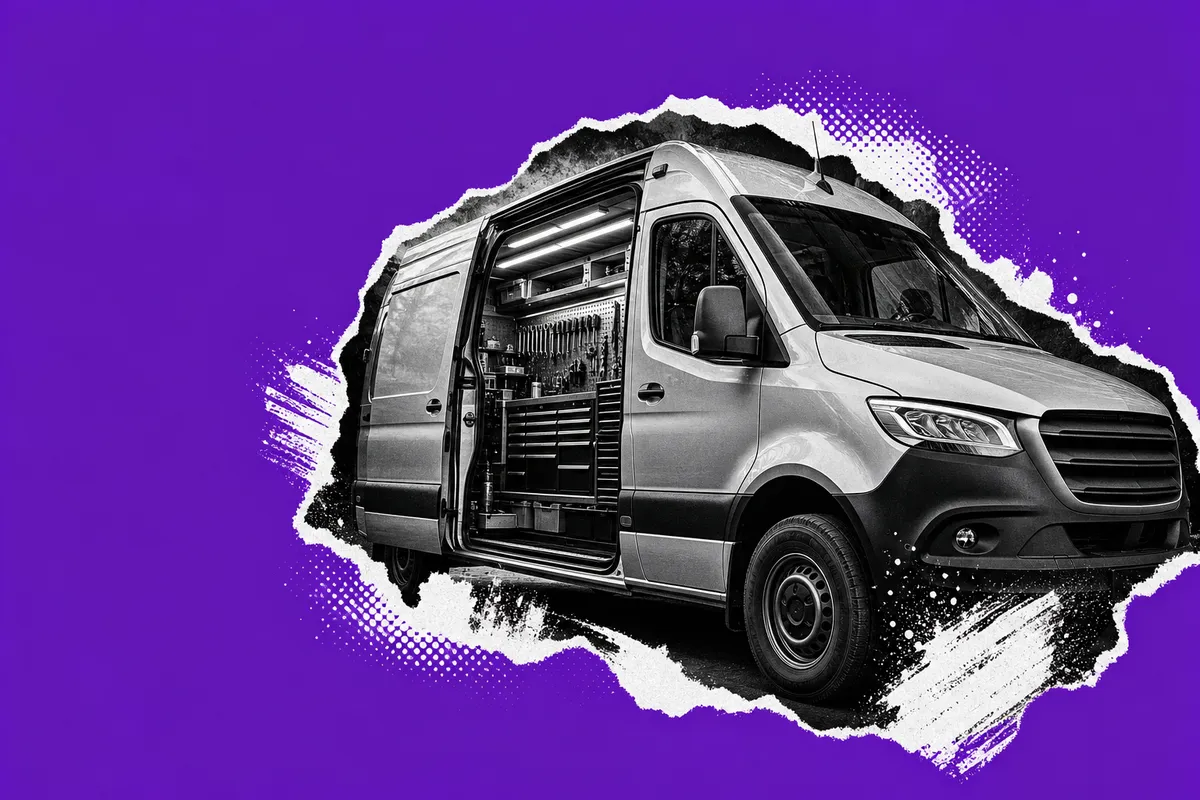
Funding a Workshop on Wheels
A mobile workshop van can help mechanics, technicians and tradespeople take their services directly to customers. However, buying a suitable vehicle and fitting it with tools, storage, power and safety equipment can require significant upfront spending. Finance may spread that cost, but the right agreement depends on the vehicle, conversion and your business circumstances. This guide explains the main options, likely costs and important checks in plain English.
Is This Guide Relevant to You?
This guide is for UK sole traders, partnerships and limited companies considering finance for a mobile workshop van. It may also help new businesses, established operators replacing a vehicle, and tradespeople deciding whether to finance the van, its conversion or both.
What Mobile Workshop Van Finance Covers
Mobile workshop van finance is a way to acquire a van without paying its full price upfront. Depending on the agreement and lender, funding may cover a standard van, an already converted workshop vehicle or, in some cases, the vehicle and approved conversion costs.
Common options include hire purchase, lease purchase, finance lease and business loans. With hire purchase, you usually pay a deposit followed by fixed monthly payments, then own the van after making the final payment and any purchase fee. Lease purchase may include a larger final payment. A finance lease normally provides use of the vehicle without automatic ownership.
Tools, generators, ramps, shelving and diagnostic equipment are not always included. Some lenders treat these as separate assets, particularly when equipment can be removed from the van. Always confirm exactly what is being funded before signing.
From Application to Driving Away
You will normally choose a van or identify the amount needed before applying through a lender or finance broker. The application may ask for identification, address history, business details, expected annual mileage and information about income or trading performance. Limited companies may need to provide accounts or bank statements. Newer businesses could be asked for a larger deposit or a director's guarantee.
The lender assesses affordability, credit history, the age and condition of the van, and whether the proposed conversion affects its value. A credit search may be completed, so ask whether an initial eligibility check leaves a record on your credit file.
If approved, you receive the agreement terms to review. Check the deposit, monthly payment, interest rate, total amount payable, agreement length, final payment and ownership position. Funds are generally paid to the supplying dealer rather than directly to you. Do not arrange irreversible conversion work until the lender has confirmed permission.
Why Businesses Choose to Finance
Finance can protect working capital by avoiding one large purchase payment. This may leave money available for insurance, tools, parts, fuel and day-to-day operating costs. Fixed monthly payments can also make budgeting more predictable, although variable-rate business borrowing may work differently.
The trade-off is that finance normally increases the overall amount paid. The vehicle may also be at risk if repayments are missed, and some agreements restrict modifications, mileage, disposal or early termination.
A manageable monthly payment is only part of the picture. The total amount payable and the agreement's flexibility matter just as much.
The right choice depends on expected cash flow, how long you plan to keep the van, annual mileage and whether ownership is important. Consider whether repayments would remain affordable during quieter trading periods.
Benefits and Drawbacks Side by Side
| Potential benefits | Potential drawbacks |
|---|---|
| Spreads the van's cost over an agreed period | Interest and fees increase the total cost |
| Can preserve cash for tools, stock and running expenses | The van may be repossessed if secured repayments are not maintained |
| Fixed repayments may support business budgeting | Some agreements include mileage or modification restrictions |
| May allow access to a newer or more reliable vehicle | A deposit or director's guarantee may be required |
| Ownership may be available under hire purchase | You may not own the van under a lease |
| Specialist vehicles may sometimes be considered | Conversion equipment might require separate funding |
Costs and Conditions Worth Checking
Compare agreements using the total amount payable, not just the advertised monthly figure. Check the cash price, deposit, interest charges, arrangement fees, option-to-purchase fees and any final or balloon payment. A lower monthly payment may simply reflect a longer term or a substantial final payment.
Ask whether the interest rate is fixed and whether you can settle early. Where an APR is provided, use it alongside the total payable and contract terms. Business agreements do not all have the same protections as regulated consumer credit agreements, so establish whether your finance is regulated before committing.
You should also budget for commercial vehicle insurance, specialist cover for tools and equipment, servicing, tyres, breakdown cover, road tax where applicable and conversion maintenance. Confirm that the insurer and lender accept all modifications. Consider payload limits because heavy equipment can make a converted van unsafe or unlawful to drive when overloaded. Tax and VAT treatment depend on your circumstances, so speak to a qualified accountant rather than assuming every payment is deductible.
Other Ways to Fund the Vehicle
Buy with business savings. Paying outright avoids finance interest and gives immediate ownership, but it can reduce the cash available for emergencies and operating expenses.
Use a business loan. A loan may offer more freedom to buy and convert the van, although rates, security requirements and eligibility vary. The loan remains repayable even if the vehicle develops problems.
Choose a finance lease. This can suit businesses focused on using rather than owning the van. Check mileage, maintenance, modification and end-of-agreement conditions carefully.
Rent a workshop van. Short-term rental may suit temporary contracts or uncertain demand. Availability can be limited, and specialist equipment may not be included.
Finance the van and equipment separately. Vehicle finance combined with asset finance for removable tools may provide clearer ownership arrangements, but it means managing multiple agreements and payments.
Questions Mobile Tradespeople Commonly Ask
Possibly. Lenders may consider the owner's credit history, deposit, experience, business plan, expected income and affordability. A new business may face fewer options, a higher deposit request or a requirement for a personal guarantee. Approval is never guaranteed.
Can the conversion be included in the finance?
It depends on the lender, supplier and type of conversion. Some lenders will consider a professionally converted vehicle supplied as one complete asset. Others will finance only the base van. Obtain written permission before modifying a financed vehicle because unauthorised changes could breach the agreement.
How much deposit will I need?
There is no single standard deposit. It can depend on the agreement, credit profile, business history, vehicle age and conversion. A larger deposit may reduce monthly payments and the amount of interest paid, but you should avoid using cash needed for tax, insurance or essential operating costs.
Can I apply with poor credit?
Some lenders consider applicants with missed payments, defaults or limited credit history, but acceptance, rates and deposits may be less favourable. Review your credit reports for errors and consider whether taking on further borrowing is affordable. Avoid making several full applications in a short period without understanding how each search may affect your file.
Who owns the van during the agreement?
Ownership depends on the product. Under hire purchase, the lender generally owns the vehicle until all required payments and the purchase fee have been made. Under a finance lease, you normally do not become the owner. Read the agreement rather than relying on assumptions based on the product name.
What happens if I miss payments?
Contact the lender as soon as possible. Missed payments can lead to charges, credit file damage and possible repossession where the finance is secured against the van. If you are struggling, free debt guidance is available from organisations such as Business Debtline and Citizens Advice.
Can I pay the agreement off early?
Many agreements can be settled early, but the calculation and potential charges vary. Ask the lender for a written settlement figure. Do not assume that adding the remaining monthly payments together gives the correct amount.
Do I need specialist insurance?
You will normally need insurance that reflects business use and any vehicle modifications. Standard van insurance may not cover permanently installed equipment, customers' vehicles, tools left overnight or work carried out at the roadside. Discuss your exact activities with an authorised insurance provider or broker.
How Kandoo Can Support Your Search
Kandoo is a UK motor finance broker, not a lender. We can help you explore vehicle finance options from our available lender panel and explain the key terms presented in a quote. Any application remains subject to eligibility, affordability checks and lender approval. Before accepting an agreement, review the total payable, fees, ownership terms and any commission disclosure so you understand both the benefits and the commitment.
Important Financial Information
This article provides general information and is not personal financial, tax or legal advice. Finance is subject to status and affordability, and missed payments may affect your credit record or put the vehicle at risk. Check the agreement carefully and seek qualified advice where needed.
Buy now, pay monthly
Buy now, pay monthly