Mobile Coffee Van Finance: How It Works, Costs and Options
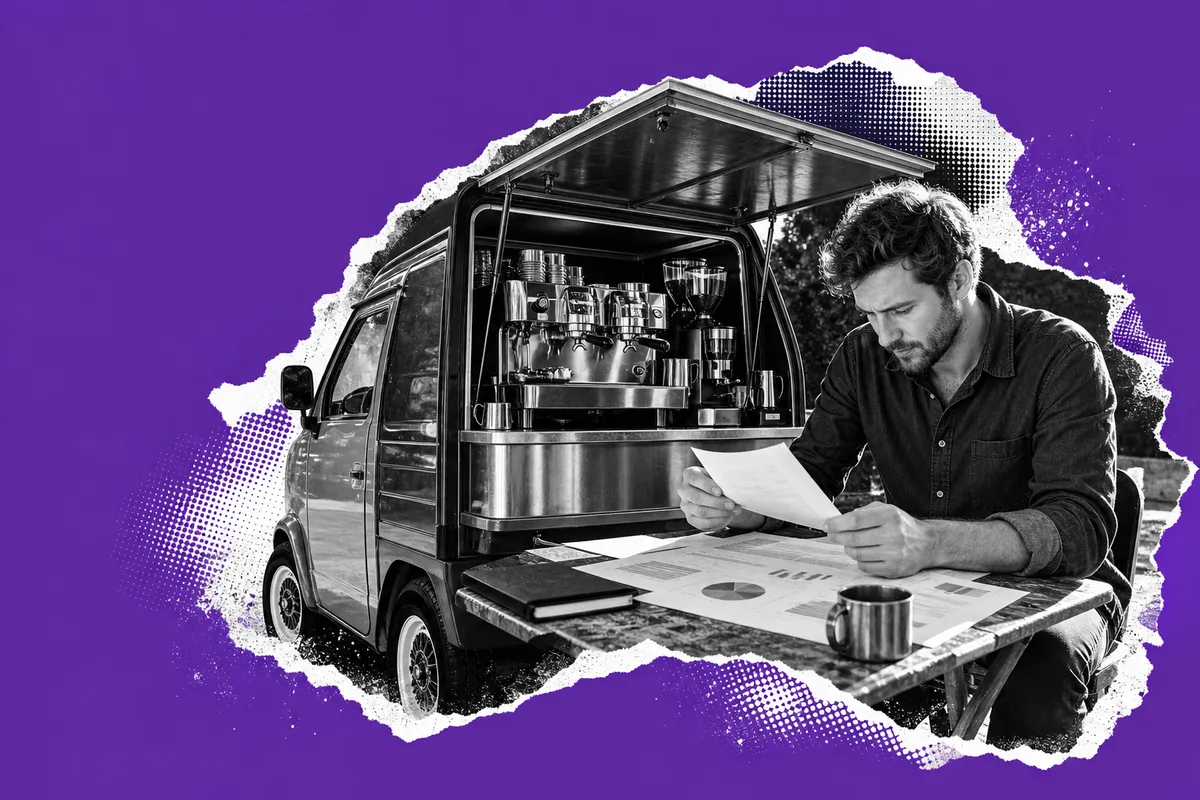
Turning a Coffee Idea Into Something on Wheels
Starting a mobile coffee business is an exciting step, but the van itself is usually the biggest hurdle. A fully fitted coffee van can cost more than a family car, and most people don't have that sitting in a savings account. That's where finance comes in. It lets you spread the cost over months or years, so you can start trading sooner rather than waiting to save up. This guide explains how it works, what it typically costs, and what to think about before you commit.
Is This Guide Written for You?
This is for anyone in the UK thinking about buying a mobile coffee van, whether you're a sole trader testing an idea, an existing café owner adding a second income stream, or an event caterer expanding your fleet. It's also useful if you already have a van and want to fund the coffee equipment inside it.
What Coffee Van Finance Actually Means
Mobile coffee van finance is simply a loan or agreement that helps you pay for the vehicle, the conversion, or both, over an agreed period rather than all at once. In practice, there are two things being funded: the van itself and the fit-out, which includes the espresso machine, grinder, water tanks, gas or electrics, refrigeration and worktops.
Some lenders treat the whole thing as one asset because a converted coffee van is sold as a single unit. Others split it, funding the vehicle through motor or asset finance and the equipment separately. The agreement will usually be either a hire purchase arrangement, where you own the van at the end, or a lease, where you use it for a fixed term and hand it back or buy it outright.
A coffee van is both a vehicle and a working kitchen. Lenders assess it on both counts.
Agreements are typically written over two to five years, with monthly repayments fixed so you know exactly what leaves your account.
The Process From Enquiry to Keys
Most people start by finding the van, or at least getting a written quote from a converter or dealer, because lenders need to know what they're funding. You'll then apply, either directly to a lender or through a broker who can approach several.
Expect to share basic details about you and your business: how long you've been trading, your income or forecast turnover, and your address history. New businesses aren't automatically ruled out, but a lender may ask for a larger deposit or a personal guarantee.
A credit check follows. If approved, you'll receive an agreement setting out the amount borrowed, the APR, the term, the monthly payment and the total amount repayable. Read this carefully. Once signed, the lender usually pays the supplier directly and you collect the van.
Deposits commonly sit between 10% and 20%, though some agreements need nothing upfront. Payments then begin the following month, and you're free to start trading straight away.
Why People Choose to Spread the Cost
The most obvious reason is cash flow. A ready-to-trade coffee van typically costs somewhere between £15,000 and £60,000 depending on age, size and the quality of the fit-out. Paying that in one go would drain the working capital you need for stock, insurance, pitch fees and marketing.
Finance also lets the van pay for itself. A mobile coffee unit is a revenue-generating asset, so the income it produces each month can, in a healthy business, comfortably cover the repayment. That's a very different proposition from borrowing for something that only costs you money.
There can be tax advantages too, as interest and certain lease payments may be deductible as a business expense, and capital allowances can apply to owned assets. The rules depend on your circumstances, so speak to an accountant.
Finally, fixed monthly payments make budgeting far easier, which matters when you're building a business from scratch.
Weighing Up Both Sides
| Advantages | Drawbacks |
|---|---|
| Start trading sooner without draining savings | You pay more overall once interest is added |
| Fixed monthly payments make budgeting predictable | Missed payments can damage your credit file |
| Preserves working capital for stock and running costs | The van may be repossessed if you default |
| Possible tax relief on interest or lease payments | You may not own the van until the final payment |
| Spreads the cost of expensive equipment | Deposits of 10-20% are often required |
| Access to newer, more reliable vans | Early settlement or exit fees may apply |
Details Worth Slowing Down For
Look at the total amount repayable, not just the monthly figure. Two agreements with similar payments can differ by thousands once the term length and APR are factored in. Check whether the rate is fixed or variable, and whether there's a balloon payment due at the end.
Be clear on ownership. Under hire purchase you own the van after the final instalment; under a lease you may not, which affects resale plans. Ask about mileage limits and condition clauses on leased vehicles, because coffee vans do accumulate miles at events.
Check the conversion is compliant. Gas certificates, electrical testing, food hygiene standards and local authority street trading requirements all matter, and a bargain van that fails inspection is no bargain at all.
Finally, understand what happens if trade is slow. Ask about payment holidays, early settlement figures and any exit penalties before you sign, not after.
Other Routes to Getting Started
- Buy outright with savings - no interest and full ownership, but it ties up cash you may need for stock and quiet months.
- Unsecured business loan - funds anything you like, including a used van and equipment, though rates can be higher without an asset as security.
- Start Up Loans scheme - government-backed personal loans for new UK businesses, usually with a fixed rate and free mentoring attached.
- Equipment-only finance - useful if you already own a suitable van and just need to fund the coffee machine and fit-out.
- Renting or hiring a van - short-term hire lets you test demand at events before committing to a purchase.
- Buying a used or part-converted van - lower entry cost, but budget for refurbishment and compliance checks.
- Franchise packages - some mobile coffee franchises include the van, training and branding within one funded package.
Common Questions Answered
How much deposit will I need? Often between 10% and 20% of the price, though some agreements are available with no deposit. A larger deposit usually reduces your monthly payment and total interest.
Can I get finance as a brand new business? Yes, it's possible. Lenders may ask for a bigger deposit, a personal guarantee or evidence of a realistic business plan and forecast income.
Does bad credit rule me out? Not necessarily. Some lenders specialise in adverse credit, though you should expect a higher rate. Being honest upfront helps a broker match you appropriately.
How long can I spread payments over? Most agreements run between two and five years. Longer terms lower the monthly cost but increase the total interest you pay.
Can I finance the coffee equipment too? Usually yes, either as part of a whole-unit agreement or through separate equipment finance.
Will applying harm my credit score? A full application leaves a hard search. Many brokers offer a soft-search eligibility check first, which doesn't affect your score.
Do I own the van at the end? Under hire purchase, yes, once all payments are made. Under a lease or contract hire, ownership normally stays with the lender.
Where Kandoo Fits In
Kandoo is a UK motor finance broker, so instead of approaching one lender and hoping for the best, you can compare options from a panel through a single conversation. We'll explain the difference between hire purchase, leasing and loan options in plain English, help you understand the total cost rather than just the monthly figure, and be upfront about what you're likely to be offered. No pressure, no jargon - just a clear picture so you can decide what's right for your coffee business.
Important Information
This article is general information only and is not financial, tax or legal advice. Finance is subject to status, affordability checks and lender criteria, and rates vary by applicant. Your van may be at risk if you fail to keep up repayments. Always read your agreement in full and consider speaking to a qualified accountant or adviser about your own circumstances. Kandoo is a credit broker, not a lender.
Buy now, pay monthly
Buy now, pay monthly