Independent Used-Car Inspections: When Are They Worth Paying For?
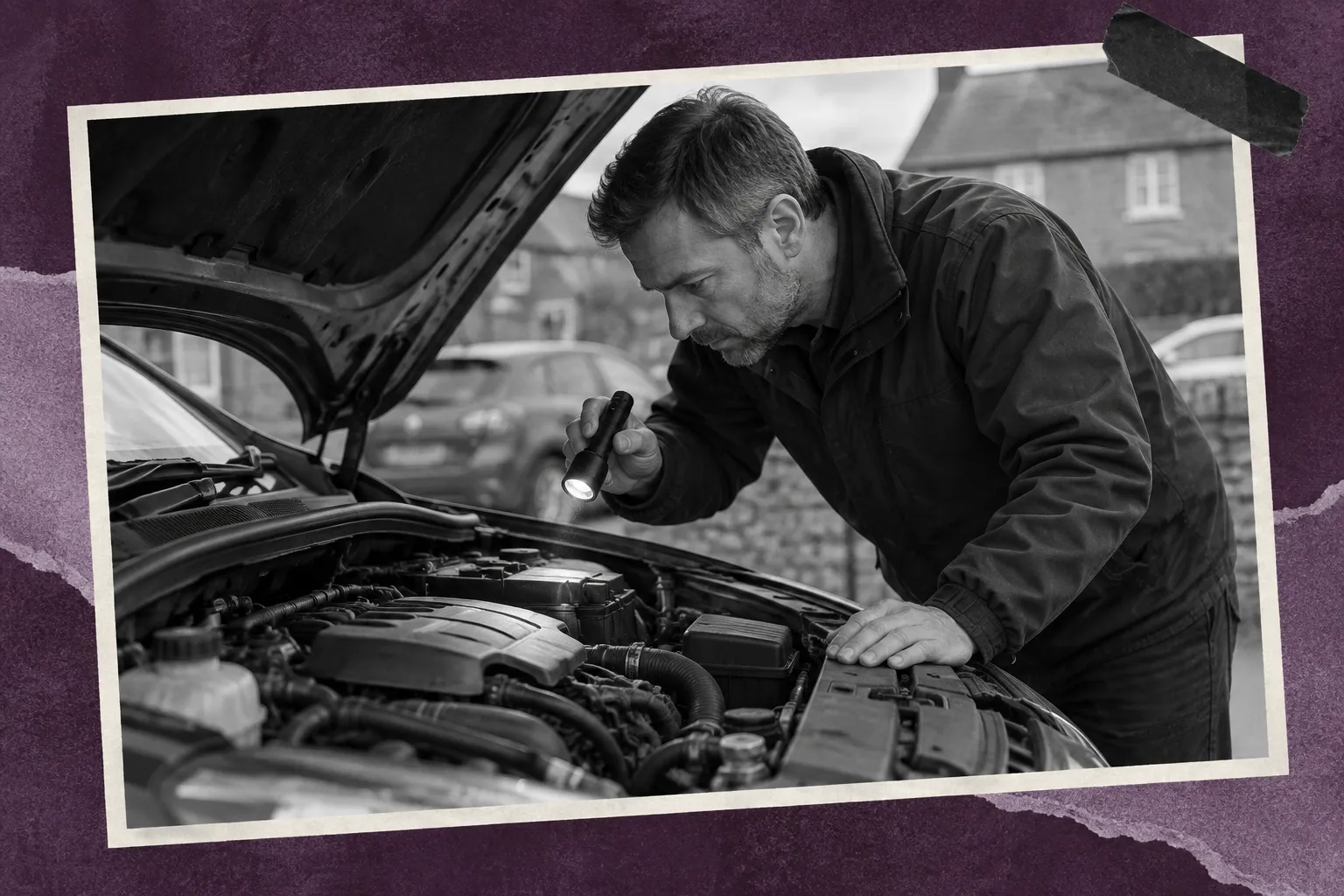
An independent inspection can identify expensive concerns before you commit. Choose the scope around the car, understand the exclusions and use the report to make a decision.
Paying for an inspection makes sense when its findings could change your decision: buy the car, negotiate the price, require repairs or walk away. If a visible problem already rules the car out, you may not need to pay someone to confirm that.
The useful question is what you still need to know about this vehicle. A long checklist is less valuable than the right examination of the engine, gearbox, structure or battery that concerns you.
When the Fee Is Worth Considering
Consider an inspection when you are travelling a long way to buy, the vehicle is expensive to repair, the service history has gaps or something at the viewing needs a professional explanation.
It can also be useful if you are buying privately, where the legal relationship differs from purchasing from a dealer. Do not interpret a friendly seller or a tidy driveway as a mechanical assessment.
A car with high mileage is not automatically a poor purchase, but wear and maintenance need careful consideration. The guide to financing a high-mileage used car covers the wider buying decision.
Get a current quote for the exact vehicle and location. Prices depend on the inspection level and provider, so do not rely on an old advertised starting price.
For an illustrative example, a £200 inspection on an £8,000 car is 2.5% of the purchase price. If it identifies work that leads you to renegotiate, have repairs completed or avoid the purchase, the information may be valuable. That is not a promise of a £200 saving or a particular outcome.
On a much cheaper car, a full inspection can be a larger share of the budget. A trusted independent garage may offer a suitable alternative if the seller agrees. Check the scope and independence rather than assuming the cheapest check is equivalent.
An Inspection, MOT and History Check Answer Different Questions
Check
- Vehicle history check. Main Purpose: Investigates recorded matters such as finance or write-off history, depending on the product. What It Does Not Prove: The current mechanical condition.
- MOT history. Main Purpose: Shows recorded test results and relevant advisories. What It Does Not Prove: That every mechanical part is sound today.
- Pre-purchase inspection. Main Purpose: Assesses current condition within an agreed scope. What It Does Not Prove: A fault-free future or complete legal history.
Use these checks together. The official MOT guidance makes clear that an MOT is not a service or a general mechanical-condition check. A recently passed test does not make a separate assessment pointless.
Our used-car buying checklist helps organise the documents and basic viewing checks before an inspector becomes involved.
Buy the Scope You Need
Ask for a written list of checks and exclusions. Depending on the service, an inspection may cover bodywork, signs of repairs, brakes, suspension, steering, tyres, visible leaks, controls and a road test.
Check whether it includes diagnostic scanning, access underneath the car and a meaningful test drive. Ask what happens if the seller cannot provide fuel, road-test permission, keys or access at the booked time.
The AA, for example, offers several inspection levels with different coverage. Its published exclusions show why a general inspection should not be assumed to include dismantling components or diagnosing every electronic or mechanical issue.
For an electric or plug-in hybrid vehicle, ask specifically about battery-health assessment, charging checks and high-voltage expertise. A visual inspection or generic diagnostic scan is not automatically a measured battery-capacity test.
Booking Before You Commit to the Car
Tell the seller you want an independent inspection before committing fully. If a reservation payment is involved, agree in writing whether it is refundable and what happens if the report identifies concerns. Do not assume an inspection automatically gives you a cancellation right.
Give the inspector the advert, service information and specific issues you noticed. If you heard a noise only when the car was cold, say so and ask whether the inspection can reproduce those conditions.
Confirm who is paying, who receives the report and whether you can discuss it with the engineer. A report commissioned by you should be available for your decision, rather than filtered through the seller.
What an Incomplete or Qualified Report Means
Weather, access and vehicle condition can restrict checks. An engine that was already warm, a car that could not be road-tested or an underside that could not be seen leaves gaps.
Ask which findings are confirmed faults, which are signs needing diagnosis and which are ordinary wear for the age and mileage. Request a clear explanation of any safety concern. Do not drive a vehicle the inspector says may be unsafe merely because you have paid a deposit.
If the report recommends specialist investigation, obtain that investigation or walk away. A cautious sentence in a report is not reassurance that the issue is inexpensive.
Turn the Findings Into Purchase Conditions
You can ask for a price reduction, repairs before collection or further evidence. Obtain independent repair estimates where useful and put any agreement in writing. Check completed work rather than accepting a verbal promise.
The guide to warning signs in a used car can help put concerns in context. If the seller refuses reasonable access or cannot explain important discrepancies, you can choose another vehicle.
Keep the report with the advert and purchase documents, including any agreed repairs. If a listed limitation leaves your main concern unanswered, you still need that answer before committing; paying for an inspection does not oblige you to buy.
Buy now, pay monthly
Buy now, pay monthly