How to Calculate Public EV Charging Costs per Mile
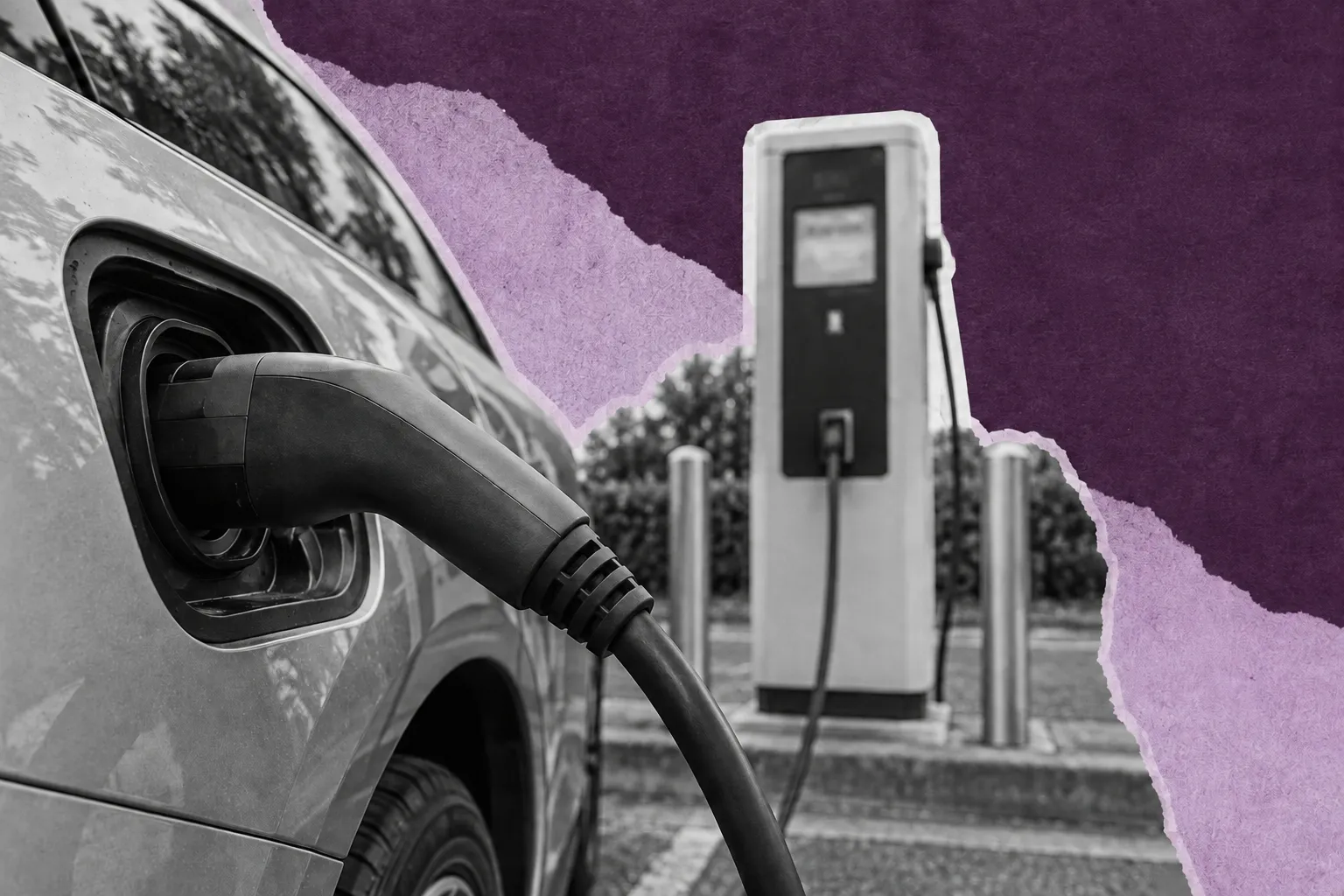
Turn a charging tariff into a realistic running cost using the price per kWh, your car’s efficiency and any extra costs. Includes worked examples you can adapt.
75p per kWh ÷ 3 miles per kWh = 25p per mile. That is the basic calculation for public EV charging: divide the electricity price by the car's efficiency.
Those figures are illustrative, not current prices or a promised result for your car. To make the estimate useful, use your actual tariff, realistic efficiency and any extra costs attached to the charging stop.
Calculate the energy cost per mile
Illustrative Tariff
- 60p/kWh. Illustrative Efficiency: 4 miles/kWh. Energy Cost: 15p per mile.
- 75p/kWh. Illustrative Efficiency: 3 miles/kWh. Energy Cost: 25p per mile.
- 85p/kWh. Illustrative Efficiency: 2.5 miles/kWh. Energy Cost: 34p per mile.
These are examples, not current market averages or promised consumption figures. Use the tariff you will actually pay and an efficiency figure suited to your car, route and season.
If the car reports kWh per 100 miles, multiply that number by the price per kWh and divide by 100. For example, 28kWh per 100 miles at 70p/kWh costs 19.6p per mile. If it reports per 100 kilometres, convert the distance before treating the result as a per-mile figure.
If the charger says 150kW
A kilowatt, written kW, describes power: how quickly electricity can be delivered or used. A kilowatt hour, written kWh, is an amount of energy. Public charging is commonly priced by the energy supplied.
A charger marked 150kW is not charging you for 150kWh every time you plug in. Your bill depends on the energy delivered and the applicable tariff. The car, battery temperature and state of charge can also limit the actual charging speed.
Use billed energy to account for charging losses
Charging uses energy beyond what ends up stored for driving. Some is lost during conversion or used by the car's systems. A dashboard efficiency reading may therefore not capture every unit of electricity you paid for.
Do not automatically add an arbitrary percentage to every calculation. The difference varies with the car, conditions and charging method. Use actual bills where available.
For an illustrative session, imagine the charger bills 40kWh at 75p/kWh. That is £30. If the resulting usable energy supports 108 miles of driving, the effective charging cost is £30 ÷ 108, or about 27.8p per mile. Dividing the tariff by a dashboard 3 miles/kWh would have suggested 25p, which is lower.
Add the costs outside the kWh tariff
Check the whole stop, especially at car parks where charging and parking are separate services. Read signage for parking payment, time limits and any overstay conditions. Paying for electricity does not necessarily pay for the parking space.
If a subscription gives a lower charging tariff, spread its monthly fee across the energy you expect to buy at the discounted rate. A membership only saves money when the discount you actually use exceeds the fee.
For example, a £10 monthly fee with a 10p/kWh discount breaks even at 100kWh in that month: £10 ÷ £0.10. At 60kWh, the £6 energy saving does not cover the £10 fee. At 150kWh, the £15 saving exceeds it by £5. Other terms may still affect whether it suits you.
Before starting, confirm the price for your payment method: the operator's app, contactless and a roaming service may differ. Current public-chargepoint rules require the maximum charging price to be displayed in pence or pounds per kWh.
Combine different chargers without distorting the average
If you use several tariffs, weight them by the energy bought rather than taking a simple average of the prices. Ten cheap units and ninety expensive units should not count equally.
Suppose, illustratively, you buy 100kWh at 50p and 200kWh at 80p. The total is £210 for 300kWh, giving an average of 70p/kWh. Use that figure for an initial cost-per-mile estimate, then compare it with your receipts and mileage.
A monthly log only needs the date, kWh, amount paid, separate fees and odometer reading. Record the battery percentage at the start and end of the month. A large difference can make that month's result misleading.
Replace the estimate with your own mileage record
Motorway trips, cold weather, heating and short journeys can change efficiency. A summer urban average may be a poor basis for a winter motorway commute. Allow room in the budget instead of relying on the best figure the car has ever shown.
For your own measured cost, divide the total spent on charging by the miles driven over a representative period. Start and finish at similar battery charge levels; otherwise you may be counting energy bought for miles you have not driven yet.
Charging is only part of the cost of owning an electric car. Add insurance, tyres, depreciation and finance to a purchase budget without folding them into the charging-only figure.
Buy now, pay monthly
Buy now, pay monthly