Furniture Manufacturing Business Loans
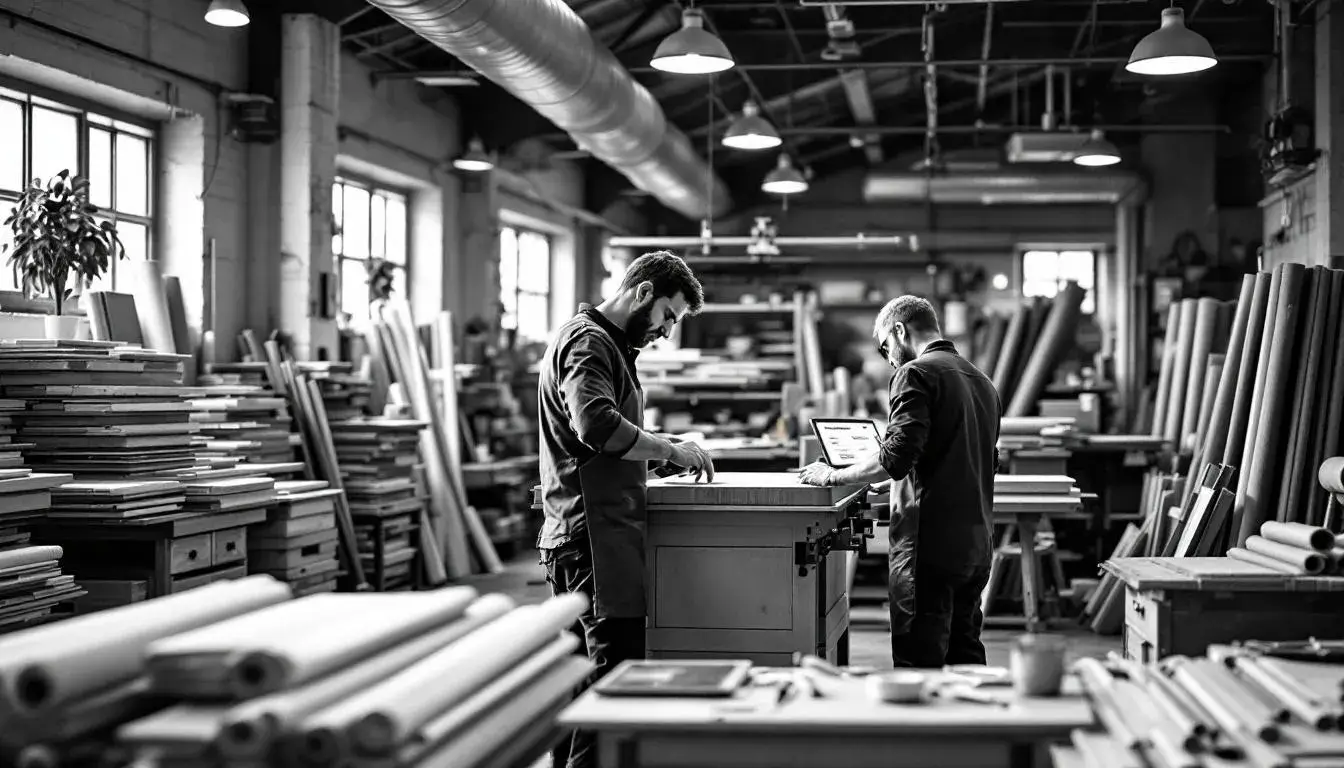
A clear view of finance for UK furniture makers
Furniture manufacturing is capital-intensive: timber and upholstery stock ties up cash, machinery upgrades are expensive, and customer payment terms can stretch working capital. A business loan can help you keep production moving without diluting ownership or waiting for retained profits to build. In the UK market, specialist lenders now offer manufacturing loans in a broad range of sizes, and many underwrite on trading performance and cash flow as much as on credit score. That matters if you are a growing joinery shop, a bespoke maker scaling output, or a multi-site manufacturer managing seasonal demand.
Understanding borrowing costs is not just about the headline rate - it is about what your repayments do to cash flow in real terms.
Used well, finance can smooth payroll, fund materials for a large contract, or bring forward a CNC purchase that increases throughput and margin. Used poorly, it can strain liquidity at the worst time. This guide sets out what these loans are, how they work, and how to choose the right structure for your workshop.
Who this is built for
This is for UK business owners running furniture manufacturing or joinery operations who need funding for equipment, stock, premises upgrades, or day-to-day working capital. It is especially relevant if you have a steady order book but cash is lumpy, if you are planning a capacity step-change, or if you have strong trading but less-than-perfect credit. It is also useful for directors comparing unsecured versus secured borrowing, and for businesses weighing short-term speed against longer-term affordability.
What these loans typically look like
Furniture manufacturing business loans are funding products designed for the needs of makers and manufacturers, from small-batch workshops to established factories. Loan sizes in the UK commonly run from a few thousand pounds up to around £500,000 for manufacturing-focused facilities, with terms often spanning 12 to 84 months. For stronger-credit borrowers, pricing can start around the low single digits, while higher-risk, short-term products can be far more expensive.
You will generally see two broad families: unsecured loans, where the lender does not take specific asset security, and secured loans, where borrowing is backed by business assets such as machinery, vehicles, or property. In practice, lenders often pay close attention to trading history, bank turnover, margins, and the clarity of your plan for the funds, particularly when the loan supports equipment, stock purchases, or expansion.
How lenders assess and structure the deal
Most lenders start with affordability and risk, then match the structure to your use case. For established manufacturers, decisions can be quick, sometimes within a day on certain platforms, with funding potentially following shortly after if documentation is in order. Underwriting typically reviews recent bank statements, filed accounts, management information, VAT returns (where relevant), and evidence of contracts or purchase orders when funding is linked to a project.
If you are borrowing to buy or upgrade equipment, you may be offered a term that better aligns with the working life of the asset, helping keep monthly repayments manageable. If the requirement is urgent working capital, the emphasis can shift towards speed and evidence of recurring revenue. Where security is available, lenders may offer lower pricing and longer terms because their risk is reduced. Where security is limited, unsecured borrowing can still be viable if cash flow is demonstrably stable.
Why manufacturers use borrowing rather than waiting
For many furniture businesses, timing is the issue. Materials may need paying upfront while customers settle invoices in 30 to 90 days, and production bottlenecks can prevent you from taking on profitable work. Borrowing can bridge that gap so you can fulfil orders, protect supplier relationships, and keep staff utilised. It can also allow you to invest in efficiency, for example a CNC router or improved extraction and finishing capacity, which can reduce waste and rework while increasing output.
There is also a strategic angle. If a loan enables you to win a contract, expand a product line, or shorten lead times, the return may outweigh the financing cost. But it is only sensible if repayments fit comfortably within realistic downside scenarios, such as delayed customer payments or a seasonal dip. A measured approach is to treat the loan as a tool for cash flow resilience and productivity, not as a substitute for margin discipline.
Pros and cons at a glance
| Aspect | Potential upside | Potential downside |
|---|---|---|
| Speed of access | Some lenders can decide quickly and release funds fast | Rapid decisions can tempt over-borrowing |
| Loan size | Manufacturing-focused loans can reach up to around £500,000 | Larger balances increase repayment pressure |
| Unsecured options | No need to pledge specific assets | Pricing can be higher, especially for short terms |
| Secured options | Often lower rates and longer terms where assets are available | You may be putting key assets at risk if you default |
| Cash flow smoothing | Helps cover payroll, rent, and materials during gaps | Regular repayments reduce flexibility in lean months |
| Growth investment | Brings forward machinery or expansion | ROI may take longer than expected |
What to watch before you sign
The key risk in manufacturing finance is mismatching the repayment profile to your cash conversion cycle. If your customers pay slowly or seasonally, a fixed monthly repayment can bite just when you need liquidity for wages and raw materials. Stress-test your forecasts using conservative assumptions: lower sales, slower debtor days, and higher input costs. Pay attention to total cost of borrowing, not just the advertised rate, and be clear on fees, repayment schedules, and any conditions that change pricing.
Short-term funding aimed at businesses with weaker credit can be available even at lower credit scores, but it may carry significantly higher costs. That can be appropriate for a brief, well-defined gap, but it becomes dangerous if it turns into a rolling solution. If you are considering secured borrowing, understand exactly what security is being taken and what happens if you breach covenants or miss payments. When in doubt, ask for the offer in writing and take time to compare like-for-like.
Standout check: If the loan term is shorter than the time it takes you to turn cash from a typical order, pause and rework the structure.
Alternatives worth considering
Asset finance for machinery and vehicles, spreading cost over the equipment’s useful life.
Refinancing existing machinery or equipment to release cash for working capital.
Business cash advance for very short-term needs where card receipts are consistent.
Invoice finance to unlock cash tied up in B2B invoices.
Overdraft or revolving credit facility for flexible drawdown and repayment.
Supplier credit negotiations, especially for timber, boards, and upholstery inputs.
FAQs
How much can a UK furniture manufacturer typically borrow?
Many manufacturing-focused lenders support loans from relatively small amounts up to around £500,000, with the exact figure driven by affordability, trading history, and cash flow. Some providers can also consider larger sums for stronger cases, but the core decision is whether repayments fit your forecast comfortably.
Are unsecured loans realistic if we do not want to pledge equipment or property?
Yes. Unsecured manufacturing loans are available in the UK, and some lenders focus on business performance and trading history rather than security. The trade-off is often cost and, sometimes, shorter terms compared with secured lending.
How quickly can funding be arranged?
Timelines vary, but decisions can be fast in the alternative lending market, sometimes within 24 hours for straightforward applications, with funds potentially following shortly after. More complex cases or larger facilities can take longer due to documentation and due diligence.
What can the loan be used for in a furniture workshop?
Common uses include purchasing machinery, funding raw materials and stock, hiring staff to meet demand, covering payroll during slow-paying periods, or financing expansion and premises improvements. Lenders typically want a clear, credible purpose linked to revenue or efficiency.
Is there an example of a furniture maker getting a sizeable unsecured loan?
Yes. UK case studies show furniture manufacturers securing substantial unsecured facilities, including loans in the mid-six figures, based largely on trading performance and cash flow rather than traditional asset security.
Next steps to improve your approval odds
Prepare a short funding brief: amount, purpose, timeline, and the business impact.
Bring your numbers up to date: recent bank statements, management accounts, and a cash flow forecast.
Be specific about assets and suppliers: equipment quotes, material costs, and delivery schedules.
Decide your preference: lowest cost (often secured, longer term) versus speed and flexibility (often unsecured or short term).
How Kandoo can help
Kandoo is a UK-based commercial finance broker. We help business owners make sense of the options, compare structures, and present a clear application to suitable lenders. If you need funding for machinery, stock, or working capital, Kandoo can connect you with options aligned to your trading profile and timescales, so you can choose with confidence rather than guesswork.
Disclaimer
This article is for general information only and does not constitute financial, legal, or tax advice. Finance is subject to eligibility, underwriting, and lender criteria, and costs vary by product and borrower. Always review terms carefully and consider independent professional advice before committing to borrowing.
You can also use our Business loan calculator to estimate repayments and total borrowing costs.
Buy now, pay monthly
Buy now, pay monthly