Full vs Part Service History: What Is the Difference?
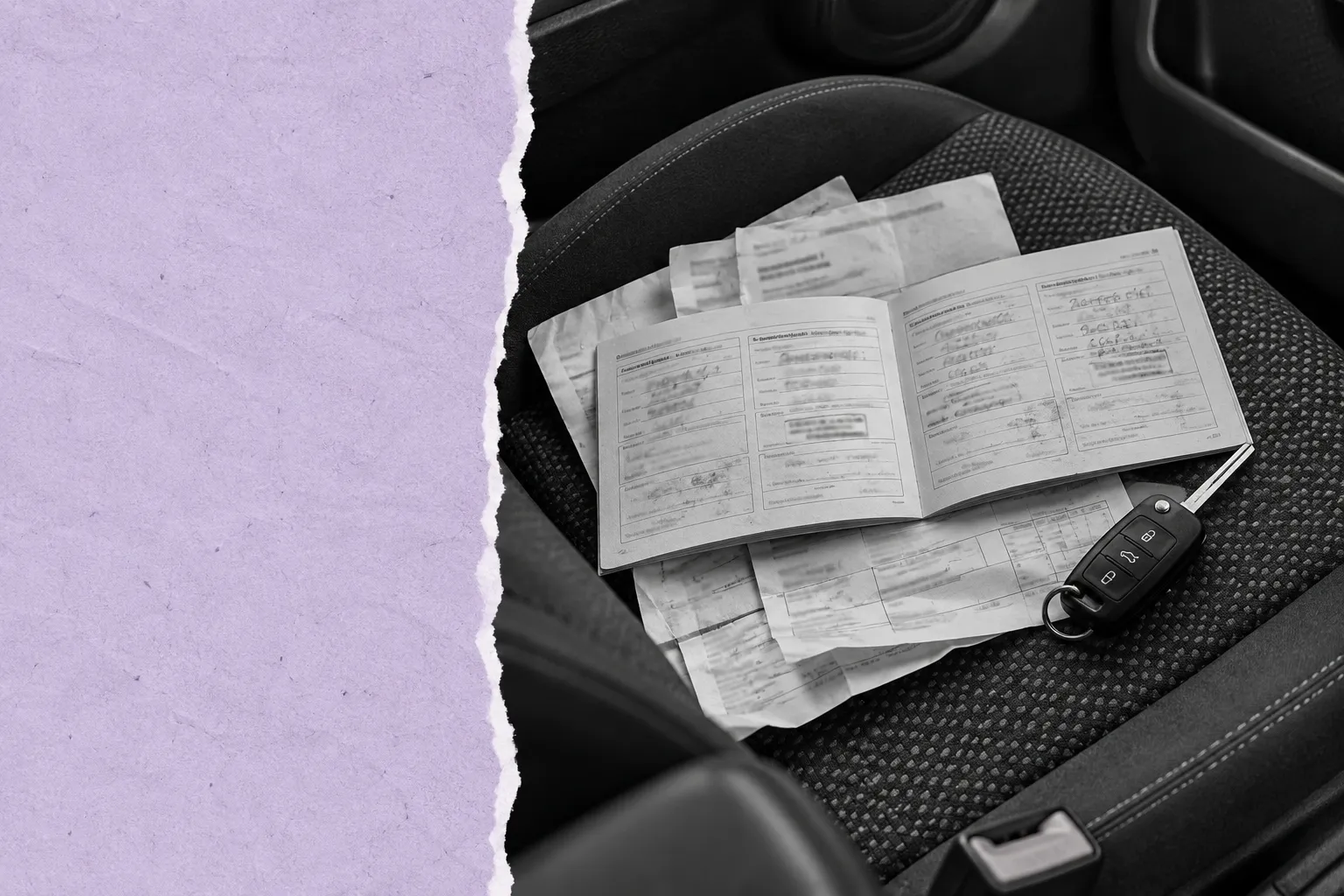
Understand the evidence behind full and part service history, identify gaps and decide what extra checks or costs to allow for when buying a used car.
A service book with plenty of stamps is not necessarily a full service history. The dates, mileages and work recorded need to match what the manufacturer required for that particular car.
Full service history means there should be evidence of all scheduled servicing; part service history means some servicing or its records are missing. Neither description tells you, on its own, whether the car has been maintained well.
Full, part and main-dealer history compared
Description
- Full service history. What it claims: The scheduled servicing is accounted for. What you need to see: Records matching the car's time and mileage intervals.
- Part service history. What it claims: Some records or scheduled services are missing. What you need to see: An explanation of the gaps and evidence of the work that was done.
- Full main-dealer service history. What it claims: The complete scheduled history is within the manufacturer's dealer network. What you need to see: The dealer records, not just a recent dealer invoice.
Check the work and specifications recorded, especially where a warranty or finance agreement imposes requirements. Do not assume every warranty accepts exactly the same servicing arrangements or that one missing dealer stamp automatically cancels all cover.
Ask the seller to describe the history accurately on the order form. If they advertise full history but cannot show it, resolve that before paying rather than accepting a promise to find it after delivery.
Does the evidence match the maintenance schedule?
Find the schedule for the car's engine, transmission and model year. Some work falls due by time, some by mileage, and some by whichever comes first. A low-mileage car can still need an annual service or an age-related replacement.
Create a short list with the date, mileage, garage and work for each visit. Compare it with the expected intervals. As an illustration, a car requiring a service every year or 12,000 miles should not be treated as fully up to date simply because it has covered only 5,000 miles in two years.
Look for supporting invoices rather than relying solely on stamps. A stamp may show that the car visited a garage, while the invoice identifies whether the work included oil, filters and other scheduled items.
Check that the registration or vehicle identification number matches the car. If it has had a private plate, ask for evidence connecting older records to the same vehicle.
Paper stamps and digital records
Some manufacturers provide service history through an owner account, dealer system or app. Ask the seller to show the record and obtain a suitable printout or confirmation that you can retain.
Check whether the digital record includes independent servicing or only visits within a particular network. An empty section may require more investigation, while a separate invoice could explain it. The absence of paper is not the same as the absence of maintenance.
If you want to verify an invoice with a garage, use independently found contact details. The business may need the seller's permission before sharing information. Arrange that while the seller is available.
The jobs a routine service might leave out
Important work can have a separate interval. Depending on the vehicle, this might include a timing belt, brake fluid, spark plugs, coolant or transmission servicing. Not every car needs every item, so use the manufacturer's schedule rather than a generic list.
A recent “full service” does not necessarily mean all age-related jobs were included. Ask specifically whether an approaching major item has been completed and request the date, mileage and invoice.
For example, if a timing-belt replacement is due soon under the actual schedule, include a proper quote in your purchase budget. Do not assume a visually tidy belt has years of life left or treat a seller's verbal reassurance as evidence of replacement.
Why a clean MOT does not fill a service gap
The MOT history provides useful test results, recorded mileages and advisories. It does not establish that oil changes or scheduled maintenance were completed. A car can pass an MOT while still being overdue for servicing.
Use the two records together. If an MOT mileage is lower than a service invoice from the previous year, ask for an explanation. A recording error is possible, but it should be investigated rather than silently ignored.
Read the MOT mileages alongside the service timeline. The number on the odometer is less informative without knowing what maintenance happened along the way.
Is a car with incomplete history worth buying?
First establish whether the work is undocumented or apparently not done. A garage may be able to provide a duplicate invoice for a lost record. It cannot retrospectively prove a service that never happened.
Consider the significance of the gap, the car's condition and the cost of catching up. An independent inspection can help assess current condition, but it cannot guarantee that a history of missed maintenance has caused no wear.
Compare the asking price with similar cars that have stronger evidence, allowing for differences in age, mileage and condition. There is no fixed percentage discount that makes every missing history acceptable. Sometimes the uncertainty is enough to choose another car.
Assess that uncertainty alongside the car's other warning signs, rather than assigning an automatic discount for a missing stamp.
Before collection, save the advert, order form and service evidence. If the dealer promises to service the car, specify what will be included and ask for the record at handover. A fresh service can bring the car up to date, but it does not turn missing earlier years into full history.
Buy now, pay monthly
Buy now, pay monthly