Fuel Tanker Finance: How It Works, Costs and Options
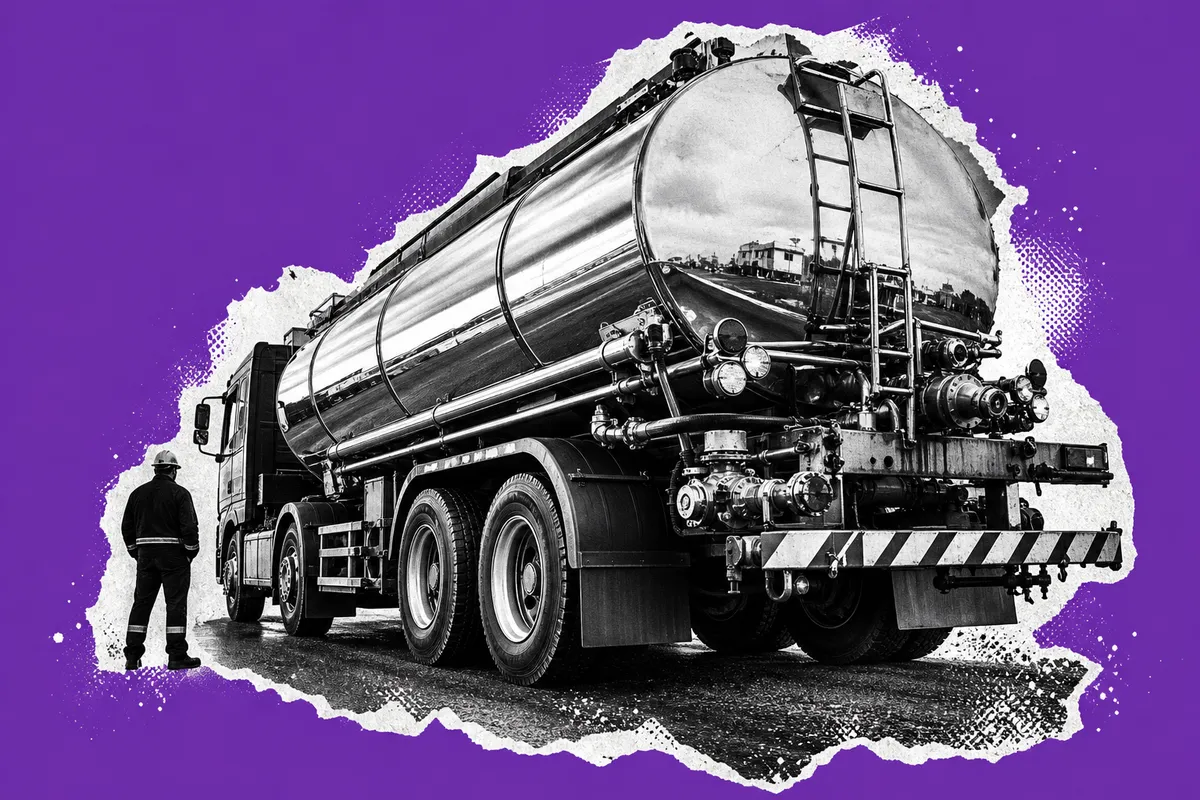
Funding A Tanker Without Draining Your Cash
A fuel tanker is a serious purchase. Whether you are adding one unit to a small fleet or replacing an ageing rigid, the price tag can run well into six figures once you factor in the tank, the pumping equipment and the certification that goes with carrying fuel.
Most operators do not pay for that in one go. They spread the cost over several years using finance, keeping cash free for wages, fuel, insurance and the unexpected. This guide explains how that finance works, what it usually costs, and what to check before you commit.
Is This Guide Aimed At You?
This is written for UK business owners and fleet managers who move fuel or other liquid products: independent hauliers, fuel distributors, agricultural suppliers, plant hire firms and civil engineering contractors. It is equally useful whether you are buying your first tanker or refinancing existing assets to release working capital.
What Fuel Tanker Finance Actually Is
Fuel tanker finance is a form of asset finance. Rather than buying the vehicle outright, you agree with a lender to pay for it in instalments over a fixed term, usually between two and seven years. The tanker itself normally acts as the security for the agreement, which is why lenders can often price this type of borrowing more competitively than an unsecured business loan.
In practice, "fuel tanker finance" covers several different products. Hire purchase lets you buy the asset over time and own it outright at the end. Finance lease and contract hire let you use the asset for a set period without ever owning it. There is also refinance, where you raise money against a tanker you already own.
Agreements can cover the whole outfit or just part of it. Some operators finance a tractor unit and a tank trailer separately, or fund a new barrel that is being mounted on an existing chassis. Lenders will also consider used tankers, though the age and remaining test life of the barrel will affect what they are willing to offer.
How The Process Works From Enquiry To Keys
It usually starts with a specification. You identify the tanker, the supplier and the price, including any tank build, pump, meter or ADR-related work. That gives the lender something concrete to underwrite.
Next comes the application. Expect to provide business details, trading history, recent accounts or management figures, bank statements and often a summary of existing finance commitments. Newer businesses may be asked for a director's guarantee. Lenders are assessing two things: your ability to afford the payments and the resale value of the asset if things go wrong.
Once approved, you will receive a written agreement setting out the deposit, monthly payment, term, total amount payable, interest rate and any balloon or option-to-purchase fee. Read this carefully. When you sign and the deposit clears, the lender pays your supplier directly and the tanker is released to you.
Take the time to compare the total amount payable, not just the monthly figure. A lower payment over a longer term often costs more overall.
Why Operators Choose Finance Over Cash
The most common reason is cash flow. Tankers earn money over years, so many operators prefer to match the cost to the income the asset generates rather than paying a large lump sum upfront. That leaves reserves available for insurance renewals, driver recruitment, fuel price swings and repairs.
There are practical advantages too. Fixed monthly payments make budgeting and tendering easier, because you know your cost per vehicle for the life of the agreement. Financing rather than buying can also allow you to specify a newer, better-equipped tanker than your immediate cash position would permit, which may reduce downtime and maintenance costs.
There can be accounting and tax benefits depending on the product you choose and how your business is structured, including potential capital allowances on hire purchase or deductible rentals on a lease. These vary considerably, so speak to your accountant rather than assuming.
Finally, spreading the cost lets you grow in a controlled way, adding capacity when contracts justify it rather than waiting until you have saved the full purchase price.
Weighing It Up
| Advantages | Drawbacks |
|---|---|
| Spreads a large cost over a manageable term | Total cost is higher than paying cash due to interest and fees |
| Preserves working capital for day-to-day trading | The asset is usually secured, so it can be repossessed if you default |
| Fixed payments make budgeting and pricing predictable | Early settlement may involve fees or interest you cannot avoid |
| Access to newer, better-specified equipment sooner | Deposits and guarantees may still be required |
| Possible tax or accounting advantages, subject to advice | Leases may include mileage, usage or condition restrictions |
| Refinance can release cash from tankers you already own | Missed payments may affect your business credit profile |
Details Worth Checking Twice
Specialist vehicles bring specialist conditions. Check whether the finance covers the complete outfit, including the barrel, pump, meter and any ADR-related equipment, or only the base chassis. Gaps here can leave you funding a significant extra sum from cash.
Look closely at the end of the agreement. Hire purchase deals often include a small option-to-purchase fee, while some agreements carry a balloon payment, a large final sum that must be settled or refinanced. Know the number before you sign, not two years in.
If you are taking a lease or contract hire, review usage limits, maintenance obligations and return conditions. Tank interiors, valve condition and paintwork can all be assessed at handback, and charges may follow.
Also confirm insurance requirements, whether the barrel's periodic inspection and test dates are current, and how the lender treats voluntary termination or early settlement. Finally, make sure the broker or lender you deal with is authorised and regulated by the Financial Conduct Authority where the agreement is regulated, and always check the total amount payable rather than the headline rate alone.
Other Routes To Consider
- Buy outright with cash. No interest and no lender involved, but it ties up reserves and may limit your ability to respond to other opportunities.
- Hire purchase. Fixed payments and eventual ownership. Best suited to operators who intend to keep the tanker long term.
- Finance lease. You rent the asset for a fixed period with lower initial outlay. Ownership stays with the lender, though you may share in sale proceeds at the end.
- Contract hire or operating lease. A fixed monthly cost, often with maintenance included, and you simply hand the vehicle back at the end.
- Short-term or spot hire. Useful for seasonal peaks or covering a vehicle off the road, but expensive as a long-term solution.
- Asset refinance. Raise capital against tankers you already own outright, releasing cash without selling the equipment.
- Unsecured business loan. More flexible in how funds are used, but usually a higher rate and shorter term than secured asset finance.
Common Questions Answered
How long can I spread the cost over? Terms typically run from two to seven years. Lenders will consider the age of the tanker and its expected working life when deciding the maximum term.
Will I need a deposit? Often yes. Deposits commonly sit somewhere between nothing and around 20 per cent, depending on your trading history, the asset and the lender. Some agreements allow you to part-exchange an existing vehicle instead.
Can a new business get tanker finance? It is possible, though a start-up may face a larger deposit, a shorter term or a request for a director's guarantee. Providing a clear business plan and evidence of contracted work helps considerably.
Does adverse credit rule me out? Not automatically. Some lenders specialise in less straightforward cases, though the rate is usually higher. Any application may involve a credit check.
Can I finance a used tanker? Yes. Lenders will look at the age, mileage, barrel condition and remaining test life. Very old assets may attract shorter terms.
What happens if I want to settle early? You can normally request a settlement figure at any point. Depending on the agreement, this may include interest or fees, so ask for the figure in writing before deciding.
Where Kandoo Fits In
Kandoo is a UK motor finance broker, not a lender. That means we can look at your requirement and approach a panel of lenders rather than leaving you to knock on doors one at a time. We will explain the options in plain English, set out the total cost as well as the monthly figure, and let you decide in your own time. No pressure, no jargon, and a clear answer on what is and is not possible for your business.
Important Information
This article is general information only and does not constitute financial, tax, legal or accounting advice. Rates, terms and eligibility vary between lenders and depend on your individual circumstances. Assets financed may be at risk if payments are not maintained. Please seek advice from a qualified accountant or adviser before entering into any agreement, and read all documentation carefully before signing.
Buy now, pay monthly
Buy now, pay monthly