Dairy Farm Business Loans
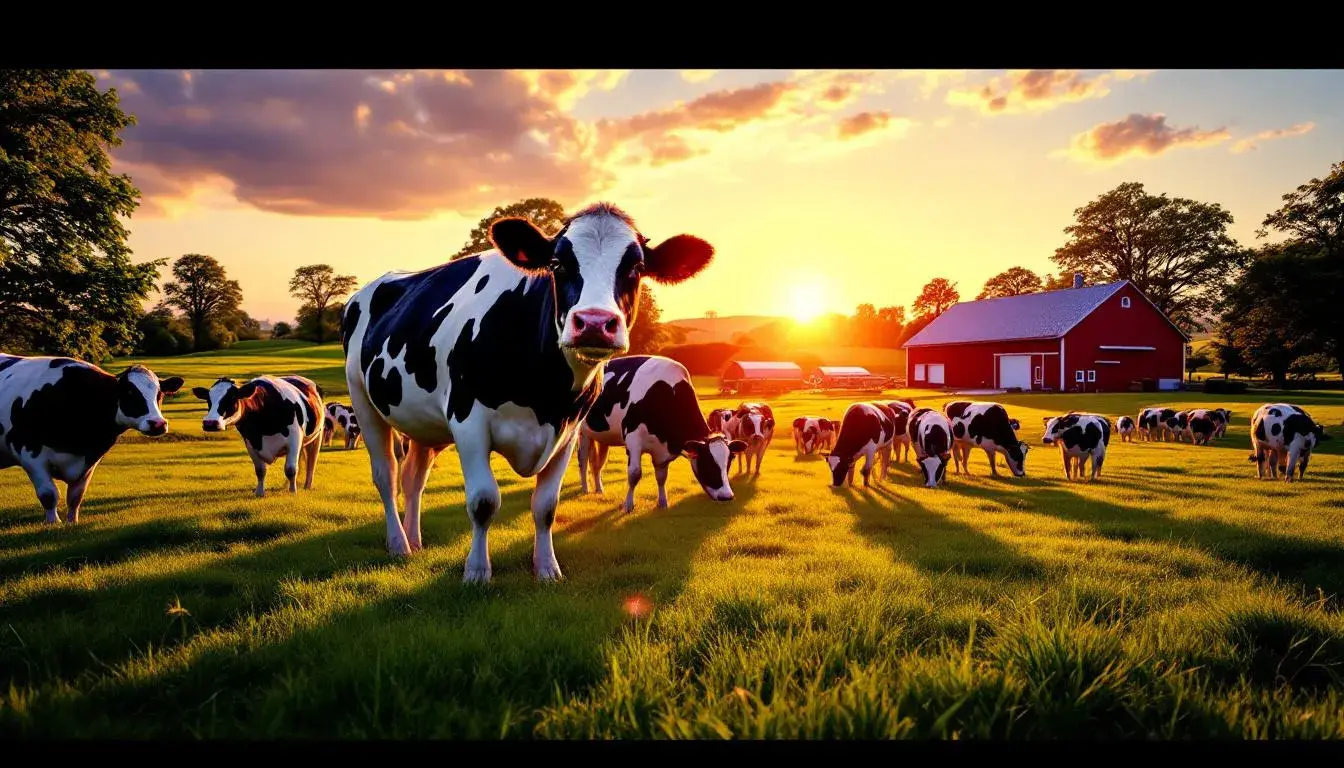
Setting the scene for dairy finance
Running a dairy farm is capital intensive, and the timing of cash in and cash out rarely lines up neatly. Feed, fertiliser, vet bills, labour, energy and repairs can peak long before milk income catches up, while larger investments like parlours, sheds and herd upgrades can tie up cash for years. That’s why borrowing is often less about “taking on debt” and more about smoothing volatility and backing a plan you can defend on paper.
The key is matching the type and term of finance to what you’re funding. A new cubicle house should not usually be repaid like a short-term cash advance, and a seasonal working-capital gap should not normally be put on a 20-year repayment schedule. When you align term, security and repayments with farm cash flow, finance can support resilience rather than add pressure.
Standout principle: borrow for a purpose, and repay in the same rhythm the asset pays you back.
Who this is designed for
This guide is for UK dairy farm owners and operators who need funding for working capital, herd investment, infrastructure, land purchase, diversification, or a turnaround period. It’s also relevant if you are reviewing existing borrowing and want to refinance to improve cash flow, or if you are planning a multi-year change such as expanding cow numbers, upgrading a milking set-up, or restructuring after a tough trading period.
If you have at least a trading track record, can evidence income and costs through accounts and bank statements, and can explain how the farm makes money across the year, you’ll be in a stronger position to secure sensible terms.
What “dairy farm business loans” actually covers
In practice, “dairy farm business loans” is a broad label for several distinct products. At one end are long-term farm loans designed for major investments, with terms stretching from a few months up to 25 years and, in some cases, beyond, using either fixed or variable rates and sometimes offering interest-only periods. Loan sizes can range from tens of thousands to multi-million pound facilities when supported by the farm’s financials and security.
At the other end are short-term solutions such as bridging finance, which can provide breathing space during a transition, refinance, sale, insurance delay, or a recovery plan. There are also specialist options for livestock and herd investment, including structures that spread costs over time and can support expansion without tying up all working capital at once.
The right definition for you is simple: the loan that funds a specific farm need, with repayment terms that follow how and when your farm earns.
How these loans are typically structured
Lenders usually assess three things: affordability, security, and the credibility of your plan. Affordability is tested through historic accounts, up-to-date management figures, and bank statements to see how the business behaves through the seasons. For herd finance and growth facilities, it is common to provide accounts, bank statements, a business plan, and details of assets involved in the purchase or refinancing.
Security can include land and buildings (often enabling longer terms and larger amounts), assets, or in some cases unsecured borrowing where trading history and turnover support it. Some farm-focused lenders offer facilities explicitly designed around seasonality, with repayment patterns and options like interest-only periods to reduce pressure when cash is tight.
Decision speed varies, but specialist agricultural lenders often focus on farm financials and practical farming context, which can help when the story behind the numbers matters.
Why matching finance to farm reality matters
Dairy is exposed to price swings, input-cost shocks and weather-driven variability, and those pressures show up first in cash flow. Finance can help keep the farm operational through the squeeze months, protect supplier relationships, and avoid rushed decisions such as selling stock or delaying essential maintenance.
For growth, the benefit is time. A long-term facility can allow you to invest in infrastructure or land while repaying at a pace that fits the asset’s working life. For operational needs, a short- or medium-term facility can cover seasonal working capital, herd purchases, or a period of restructuring.
Used well, borrowing supports three outcomes: stability (less firefighting), efficiency (better kit and buildings), and optionality (room to diversify or seize opportunities). Used badly, it can magnify risk, particularly if the term is too short, repayments are inflexible, or the facility is not sized for real-world volatility.
Pros and cons at a glance
| Aspect | Potential upsides | Potential downsides |
|---|---|---|
| Cash flow | Smooths seasonal gaps and avoids disruptive short-term cuts | Repayments can strain the business if timed poorly |
| Growth | Enables investment in parlours, housing, slurry and land | Expansion can increase cost base and working-capital needs |
| Flexibility | Options like fixed or variable rates and interest-only periods may be available | Interest-only reduces short-term pressure but can cost more overall |
| Speed | Some products can complete quickly when documentation is ready | Fast finance can be expensive if it’s the wrong tool |
| Security | Secured loans can access longer terms and larger amounts | Puts property/assets at risk if you cannot repay |
What to watch before you sign
Focus on the parts of the deal that decide whether the facility helps or hurts in a tough quarter. First, check that the term matches the asset. A 36-month structure might be suitable for a bridging need, but it can be tight for a project that only improves performance gradually. Second, understand the rate type and what it means for your budget. Fixed rates improve certainty, while variable rates may start lower but can rise.
Also look closely at fees, early repayment charges, security requirements, covenants, and how repayments are scheduled across the year. The best-looking headline rate is not always the best deal if charges, rigidity, or unrealistic repayment timing cause stress later. Finally, be honest about sensitivity: model what happens if milk price softens, yield dips, or costs rise. A facility that only works in the best case is not a plan, it’s a hope.
Short standout line: if you cannot explain the worst case, you are not finished negotiating.
Other routes to consider
Overdraft or working capital line for seasonal swings, where suitable.
Asset finance for equipment and machinery, aligning repayments to the asset life.
Livestock-focused finance to spread herd purchase costs or release capital tied up in stock.
Refinancing existing borrowing to improve term, structure, or cash flow.
A staged investment plan (phasing capex) to reduce borrowing needs.
FAQs
What can a dairy farm business loan be used for?
Common uses include herd expansion or replacement, working capital for seasonal costs, infrastructure such as sheds or milking parlours, land purchase, and funding diversification. The best use is one you can tie to a clear cash-flow impact.
How long can farm loans run for in the UK?
Terms vary widely. Some farm loans run from as little as 6 months up to 25 years, and long-term secured lending for property-backed borrowing can extend further depending on the lender and security.
Are interest-only options available?
Yes, some farm-focused lenders offer interest-only periods, particularly where cash flow is seasonal or where an investment needs time to generate returns. You should still plan how and when capital will be repaid.
What documents do lenders typically want?
Expect to provide recent accounts, bank statements, and a clear business plan or proposal. For herd or asset-related finance, lenders may also request details of the livestock/assets and how the purchase supports the farm.
Can finance help during a recovery period?
It can, when structured carefully. For example, some dairy farms have used bridging-style facilities to create short-term breathing space while they stabilise operations, invest, or diversify. The priority is affordability under realistic assumptions.
Next steps if you want to proceed
Write a one-page purpose statement: what you are funding, the cost, and the payback logic.
Prepare seasonal cash-flow forecasts (monthly is ideal) and stress-test key assumptions.
List existing borrowing, security available, and any upcoming changes (tenancy, grants, succession, major capex).
Decide what matters most: lowest cost, fastest completion, repayment flexibility, or longer term.
How Kandoo can help
Kandoo is a UK-based commercial finance broker. If you’re exploring dairy farm business loans, Kandoo can help you frame the funding requirement clearly and connect you with suitable options for your goals, whether that’s cash-flow support, investment funding, or a longer-term facility aligned to the farm’s seasonality. We’ll help you compare structures and terms so you can make an informed decision.
Disclaimer
This article is for general information only and does not constitute financial advice. Finance is subject to status, affordability checks, and lender criteria. Rates, terms, and security requirements vary by provider. Consider taking independent professional advice before proceeding.
You can also use our Business loan calculator to estimate repayments and total borrowing costs.
Buy now, pay monthly
Buy now, pay monthly