Car Handover Checklist: What to Check Before Driving Away
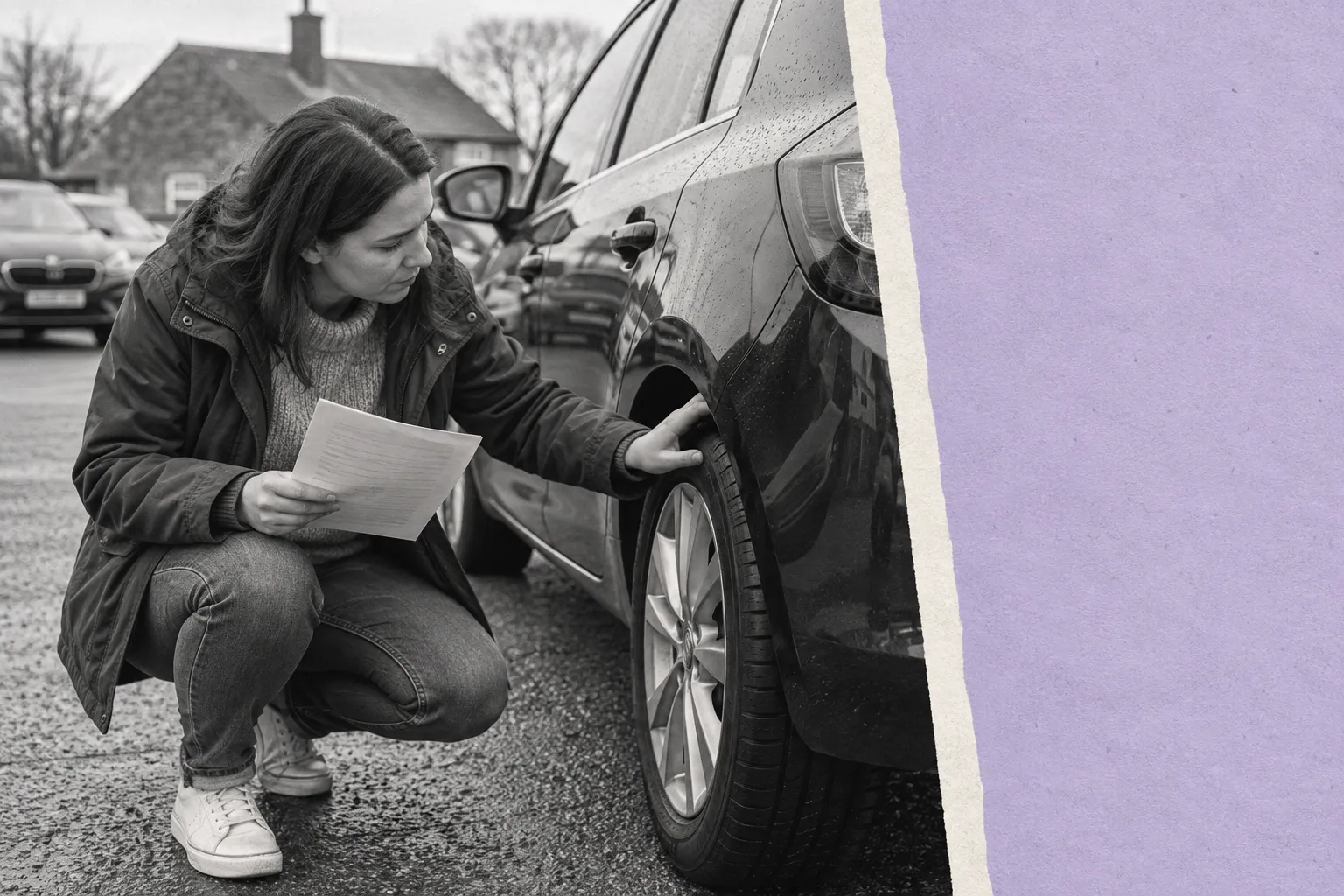
Use collection day to confirm the car, paperwork, promised work and finance figures, then make sure it is insured, taxed and ready for the journey home.
Use this at collection, alongside the advert, order form and any promises made before you agreed to buy. It is a final handover check, not a substitute for inspecting the car before purchase.
Allow time to walk round it in good light and to have the controls explained. If a material problem remains unresolved, pause collection rather than signing that everything is satisfactory.
Before setting off to collect
- Confirm the vehicle is ready, the finance requirements are complete and the dealer can release it.
- Bring the requested identification, payment evidence and part-exchange documents.
- Save the advert, order and written list of repairs or extras so you can compare them at the car.
- Arrange daylight or an indoor, well-lit inspection area. Wet bodywork and darkness can hide marks.
- Leave enough time for inspection and a demonstration, particularly if another regular driver needs to learn the controls.
Beside the car: identity, condition and promised work
Match it to the order
- Registration and VIN match the paperwork.
- Model, trim, engine or battery version and important equipment match the advert.
- Mileage is accurate on the invoice and, where relevant, the finance agreement.
- Service and vehicle-history records relate to this vehicle. Review the MOT history and understand what the V5C records.
A difference may have a simple explanation, but record it before signing. This matters when a PCP agreement uses the handover mileage as its starting reading.
Walk round, then try the controls
- Paintwork, glass, wheels, tyres and lights: compare with the viewing photos or condition report.
- Seats, belts, heating, ventilation, windows and locking: try them yourself.
- Lights, wipers, demisting and parking brake: have unfamiliar controls demonstrated.
- Warning lights: get an explanation; do not rely on a promise that an unexplained light will disappear.
- Take dated photographs of the condition and odometer, including any issue the seller agrees to address.
Do not attempt mechanical tests beyond your knowledge. A safety concern needs assessment before use; an MOT does not guarantee that every component is fault-free.
Tick off the work agreed at sale
For promised tyres, servicing, repairs or a second key, obtain the relevant invoice, service entry or item itself. A cleaned car does not show that a service happened.
Write down anything outstanding, who will supply it and by when. Decide whether an important missing item means collection should wait. The receipt must reflect any allowance accurately; do not sign that unfinished work is complete.
Keys and equipment to take away
- All agreed keys and any emergency key blades.
- Locking wheel nut key where needed.
- Spare wheel, tools or tyre repair kit if included.
- Handbook and service evidence.
- Parcel shelf, floor mats and other agreed equipment.
- Charging cables, adapters or towbar components included in the sale.
For an electric or plug-in hybrid car, ask for a charging demonstration and check how cables lock and release. Confirm what is included rather than assuming every type of cable comes with every car. Make sure you have enough fuel or charge for a safe route home.
The paperwork before you pay the balance
- Cash price, deposit, part-exchange figure, finance amount and total payable agree.
- APR, term, payment dates, fees and any optional final payment are correct.
- PCP mileage allowance and starting reading are right.
- You have the agreement, invoice, warranty and service-plan terms, with optional products separately identifiable.
- You know who to contact about an early fault and about the finance.
For a part-exchange with outstanding borrowing, confirm who settles it and retain the agreed settlement details. Do not assume the old Direct Debit can be cancelled until the old lender confirms the appropriate position.
Ready for the road?
Arrange valid insurance before driving. If the dealer offers temporary cover, confirm that it is active for you and understand its end time and terms. Having insurance on your previous car does not automatically provide the cover needed for this one.
Tax must be arranged for the vehicle before road use; the seller's tax does not transfer. Use the correct new keeper document and keep confirmation. Our guide to taxing a car online explains how to complete that step.
Confirm a valid MOT where required, adjust the seat and mirrors, and set navigation while parked. Leave with enough fuel or charge for the journey and a written record of any remaining agreement with the seller.
Buy now, pay monthly
Buy now, pay monthly