What Is a V5C Logbook
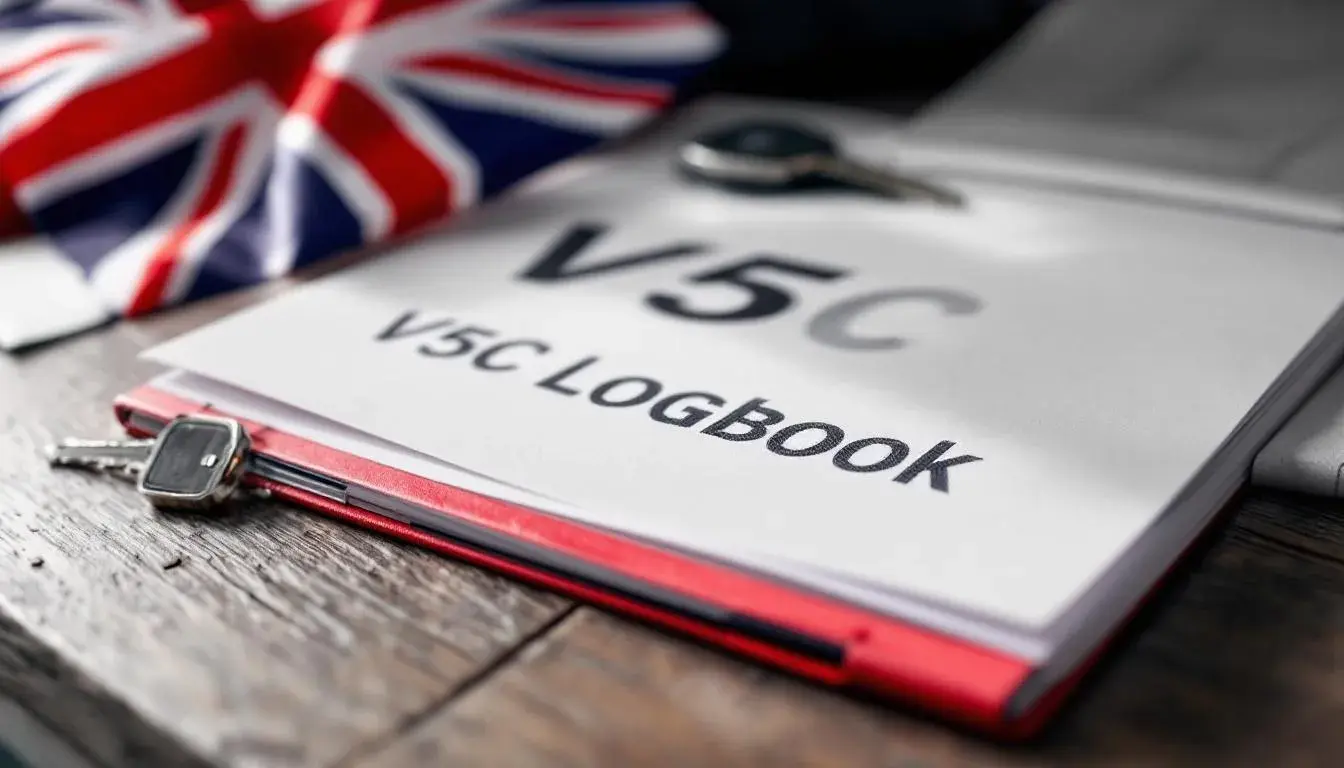
The V5C, explained in plain English
If you drive in the UK, paperwork can feel like a side quest that only matters when something goes wrong. The V5C logbook is different. It is one of the few documents that quietly underpins everyday motoring, from taxing your car to selling it without headaches. Understanding it is not about memorising form numbers or DVLA jargon. It is about knowing what the document does (and does not) prove, and how to spot issues before they become expensive.
Most problems with a V5C show up at stressful moments: a private sale, a part-exchange, an MOT-related update, or when you realise the document is missing. In each case, the basics matter: the registered keeper details must be right, the vehicle identity information must match the car, and changes must be reported to the DVLA in the expected way. Get those right and you reduce the risk of delays, disputes, and avoidable admin.
Who this guide is designed for
This is for UK drivers who own a car, are buying or selling one, or simply want to keep their DVLA records accurate. It is especially relevant if you are purchasing privately, buying a used car for the first time, have recently moved house, or have made changes to your vehicle that might affect its recorded details. If you are considering vehicle finance, the same discipline helps: clear paperwork, correct keeper information, and a vehicle identity that checks out can make the overall process smoother and reduce last-minute surprises.
What a V5C logbook actually is
A V5C is the DVLA’s vehicle registration certificate. People commonly call it the logbook, but its core purpose is administrative: it records the vehicle’s registration details and links them to the current registered keeper. It includes key identifiers and specifications such as the registration number, the 17-character VIN (vehicle identification number), make and model, engine size, fuel type, colour, and other attributes used to track the vehicle accurately.
It also shows useful historical and status information, such as the first registration date, the number of previous keepers and, in certain cases, whether the vehicle has been imported, exported, scrapped, or otherwise flagged. Importantly, a V5C is not proof of legal ownership. It shows who is responsible as the registered keeper, which matters for DVLA records, road tax administration, and official correspondence. Ownership is typically evidenced by purchase documentation and receipts.
How it works in day-to-day driving
In practice, the V5C sits behind many routine actions. When you tax a vehicle, update keeper details, or sell your car, the DVLA processes rely on the information held on the logbook. If details are wrong or out of date, that is when delays and errors appear, such as tax issues, missed letters, or complications when transferring keeper status.
If you lose the V5C, the DVLA allows the registered keeper to apply for a replacement online in many situations. You will typically need basic details such as the registration number, the VIN or chassis number, and the keeper’s name and postcode. Replacement documents are usually posted out within a working-week timeframe, though you should follow up if it does not arrive after a reasonable wait.
There are also scenarios where you may need to apply by post, for example if you are changing certain vehicle details, if online services cannot cover your circumstances, or if the vehicle has been returned from abroad. Recent DVLA service improvements also mean that, in some cases, you can apply for a new logbook and tax the vehicle in one online journey, reducing the gap between admin and being road-legal.
Why it matters more than most drivers think
The V5C matters because it is one of the quickest ways to validate a vehicle’s identity and reduce fraud risk. Before buying, checking that the VIN on the vehicle matches the VIN on the V5C can help detect cloning or inconsistencies. The issue date can also be useful context: a very recent issue date might be perfectly legitimate, but it can also be a prompt to ask why a replacement was needed.
It also protects you operationally. The DVLA uses the registered keeper details for key communications, and inaccurate information can lead to missed reminders and avoidable penalties. When you sell, accurate V5C processing helps ensure you are no longer recorded as the keeper, reducing the risk of being chased for future tax or enforcement matters. When you make changes to the vehicle, keeping the V5C updated supports accurate records, which can matter during resale, insurance discussions, and official checks.
Pros and cons at a glance
| Aspect | Pros | Cons / limitations |
|---|---|---|
| Proof of registration | Confirms the vehicle is registered with the DVLA and links it to a registered keeper | Not proof of legal ownership |
| Vehicle identity checks | Includes VIN and key specs that help confirm the vehicle matches its paperwork | Still needs cross-checking against the physical vehicle and other records |
| Selling and buying | Supports a cleaner keeper transfer process and reduces disputes | Missing or incorrect V5C can delay a sale and raise buyer concerns |
| Compliance and admin | Used for taxation processes and key DVLA updates | Replacement and postal routes can take time and may involve a fee |
| Change management | Allows updates after changes (keeper, address, certain vehicle details) | Some changes require specific processes and may not be available online |
The key red flags and practical checks
Treat the V5C as a verification tool, not just an admin document. First, confirm that the registration number, VIN, make, model and colour align with the actual vehicle. A mismatch may indicate an error that needs correcting, or something more serious. Check the registered keeper name and address are accurate, particularly if you have recently moved. A surprising number of issues come down to post going to the wrong place.
Pay attention to the document’s overall condition and whether it looks altered. If anything appears inconsistent, take a step back and validate details carefully before handing over money. If you are buying, remember that the seller being named as the registered keeper is reassuring, but it still does not prove they are the legal owner. Ask sensible questions about how long they have had the vehicle, why it is being sold, and whether there is any outstanding finance. If the V5C is missing, be cautious and ensure the correct DVLA route is followed, such as applying for the certificate using the appropriate process for new keepers.
Alternatives and related documents
MOT history and current MOT certificate (helps confirm testing status and past advisories).
Vehicle tax confirmation (useful to ensure the vehicle can be taxed correctly and is compliant).
Sales receipt or invoice (stronger evidence of ownership than a V5C).
Service history and maintenance invoices (supports condition and provenance).
Vehicle history checks (can flag theft markers, write-offs, and finance in broader checks).
FAQs
Is a V5C logbook proof I own the car?
No. A V5C shows the registered keeper, not legal ownership. Ownership is usually supported by a bill of sale, invoice, receipt, and finance documentation if relevant.
What details should I match on the V5C before buying?
At minimum, match the registration number and VIN to the vehicle, then sense-check the make, model, colour and other specifications. If anything does not line up, pause and investigate.
What if I have lost my V5C?
If you are the registered keeper, you can usually apply for a replacement online using the vehicle’s details and your postcode. The DVLA posts the replacement, and you should follow up if it does not arrive within the expected timeframe.
What if I bought a car but did not get a V5C in my name?
You can apply for a registration certificate as the new keeper using the relevant DVLA process, commonly via a V62 application. This helps put the vehicle on record correctly in your name.
Does it matter if my V5C is the older colour version?
Older and newer versions both serve the same fundamental purpose. What matters is that it is genuine and the details are correct. If you need a replacement, you will typically receive the current version.
How Kandoo can help
If you are weighing up options around motoring costs, including vehicle finance, having the right paperwork and a clear understanding of what documents mean can help you make more confident decisions. Kandoo is a UK-based consumer finance broker and can connect you with suitable options for what you are looking for, while helping you understand the key terms and practical steps involved. The aim is clarity: what you are agreeing to, what it will cost, and what you need in place to proceed smoothly.
Disclaimer
This article is for general information only and is not financial, legal or tax advice. DVLA processes, fees and timelines can change, and individual circumstances vary. Always check the latest guidance on GOV.UK and seek professional advice where appropriate.
Buy now, pay monthly
Buy now, pay monthly