Can You Run an Electric Car Without Home Charging?
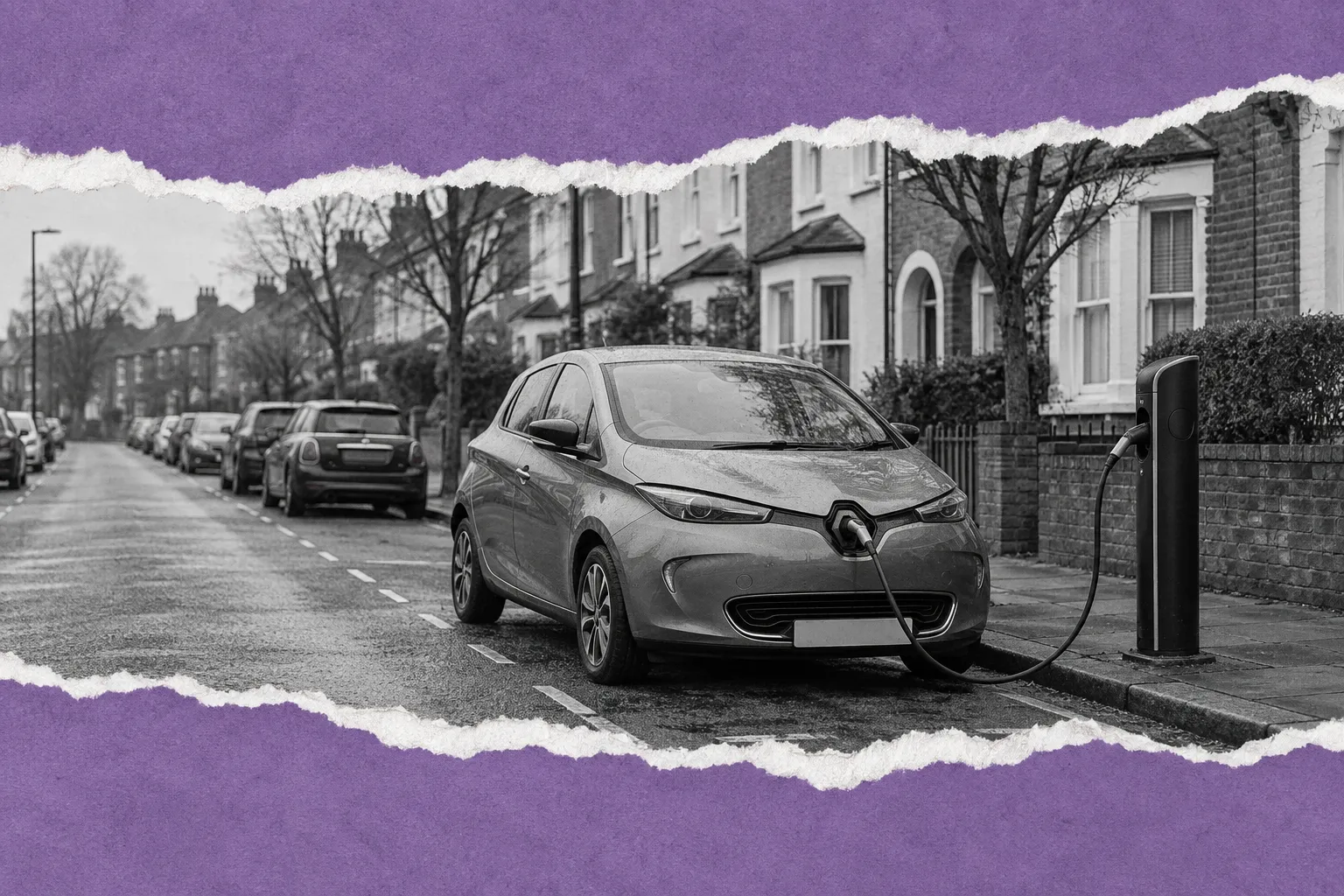
An electric car can work without a driveway if local charging fits your week. Test availability, parking rules and the real price per mile before choosing one.
No driveway does not rule out an electric car. A reliable workplace charger or a public charger beside somewhere you already spend time can make it practical. The harder arrangement is one that depends on frequent extra trips to a busy charger.
Before buying, put a normal week on paper. The question is whether the charging you can actually use replaces the energy your journeys consume, at a cost and inconvenience you are comfortable with.
Map the week you would really drive
Part of the plan
- Routine journeys. Write down: Return distances, weekly mileage and trips you cannot postpone.
- Charging opportunity. Write down: Where you already park, when you can use the charger and how long the car can stay.
- Backup. Write down: A different site or network for a queue, fault or closed car park.
- Winter margin. Write down: Room for higher energy use and an unavailable planned session.
Cold conditions, motorway driving, heating and load can reduce the distance available from a charge. Do not arrange your life around achieving the advertised maximum range on every trip. A buffer is particularly useful when the next convenient charger is busy or unavailable.
For a used car, check battery condition and the effect of its actual range on your timetable. Our guide to buying a used electric car on finance covers the purchase checks to make alongside your charging plan.
Visit the chargers at the times you would use them
Start with the places where your car already spends time: work, your usual supermarket, a gym or nearby public parking. Check who may use the chargers and at which times. A workplace unit behind a locked gate is not a weekend fallback.
Visit the best options at the time you expect to charge. Look for queues, out-of-service units, restrictions and whether you would feel comfortable waiting there. A charger advertised as nearby might still require a long walk, a parking payment or moving your car after an hour.
Choose a second option on a different site or network. This is particularly useful when your main charger is a single socket. You need a plan for a blocked bay, maintenance visit or unexpectedly busy evening without turning a low battery into a crisis.
Will a normal stop add enough energy?
A car parked for several hours may not need a rapid charger. Conversely, a slow charger at a shop you visit for 20 minutes may add very little useful range. The right combination is about energy delivered during the time you actually spend there.
The car's charging capability matters as well as the charger's advertised power. A vehicle cannot always accept the highest figure on the unit, and charging speed commonly changes as the battery fills or its temperature changes. Ask for the model's realistic charging information, including AC and DC limits.
Check the connector and whether you must bring your own cable. Try an actual charging session during an extended test drive if the seller allows it. Being comfortable with payment, unlocking the connector and ending a session is more useful than memorising a headline charging time.
Price the electricity you would actually buy
Use your mileage, a realistic efficiency estimate and the tariffs at your chosen locations. Add any parking or overstay costs charged separately from the energy tariff, checking that you do not count a fee twice. A membership price can be cheaper per unit but still cost more overall if you charge infrequently.
For illustration, 600 miles a month at 3.5 miles per kWh used from the battery requires about 171 kWh before charging losses. Budgeting for 190 kWh bought from chargers gives:
Illustrative tariff
- 55p per kWh. 190 kWh monthly energy cost: £104.50.
- 80p per kWh. 190 kWh monthly energy cost: £152.00.
Those are example tariffs, not current market quotes or a prediction for your car. Replace them with actual prices, and allow for winter driving and charging losses. A displayed range estimate cannot tell you the final cost of energy purchased.
To compare petrol fairly, use a realistic fuel economy and pump price over the same mileage. Do not compare public rapid charging with an unusually cheap overnight home tariff you cannot access.
Parking permission is part of the plan
A charging bay may have a maximum stay, operating hours or a separate parking fee. Some sites require a parking payment even while electricity is being bought. Others expect the vehicle to move promptly once charging finishes.
Read the signs and the operator's terms before relying on a site for overnight use. Charging permission does not automatically give permission to leave the car all night. If a location is on private land, access conditions may change.
Avoid assuming that an extension cable across a pavement solves the absence of a driveway. Safety, permission and local highway rules need proper consideration. Check approved options with the local authority and a qualified installer if a home-adjacent solution is being proposed.
Does the routine justify the overall cost?
Compare the complete monthly budget: purchase or finance, insurance, tax, servicing, energy and parking. Also consider how much extra time charging adds. Read our electric-car advantages and drawbacks alongside your own weekly plan.
Without home charging, a slightly more efficient or longer-range car may save inconvenient sessions, but it can cost more to buy. Do the calculation before increasing your borrowing. Our guide to financing an electric car explains the purchase options.
If your local plan depends on one unreliable charger or an unconfirmed workplace installation, resolve that uncertainty first. If charging slots neatly into things you already do, owning an EV without a driveway can be entirely practical.
Buy now, pay monthly
Buy now, pay monthly