Can You Put a Private Number Plate on a Car on Finance?
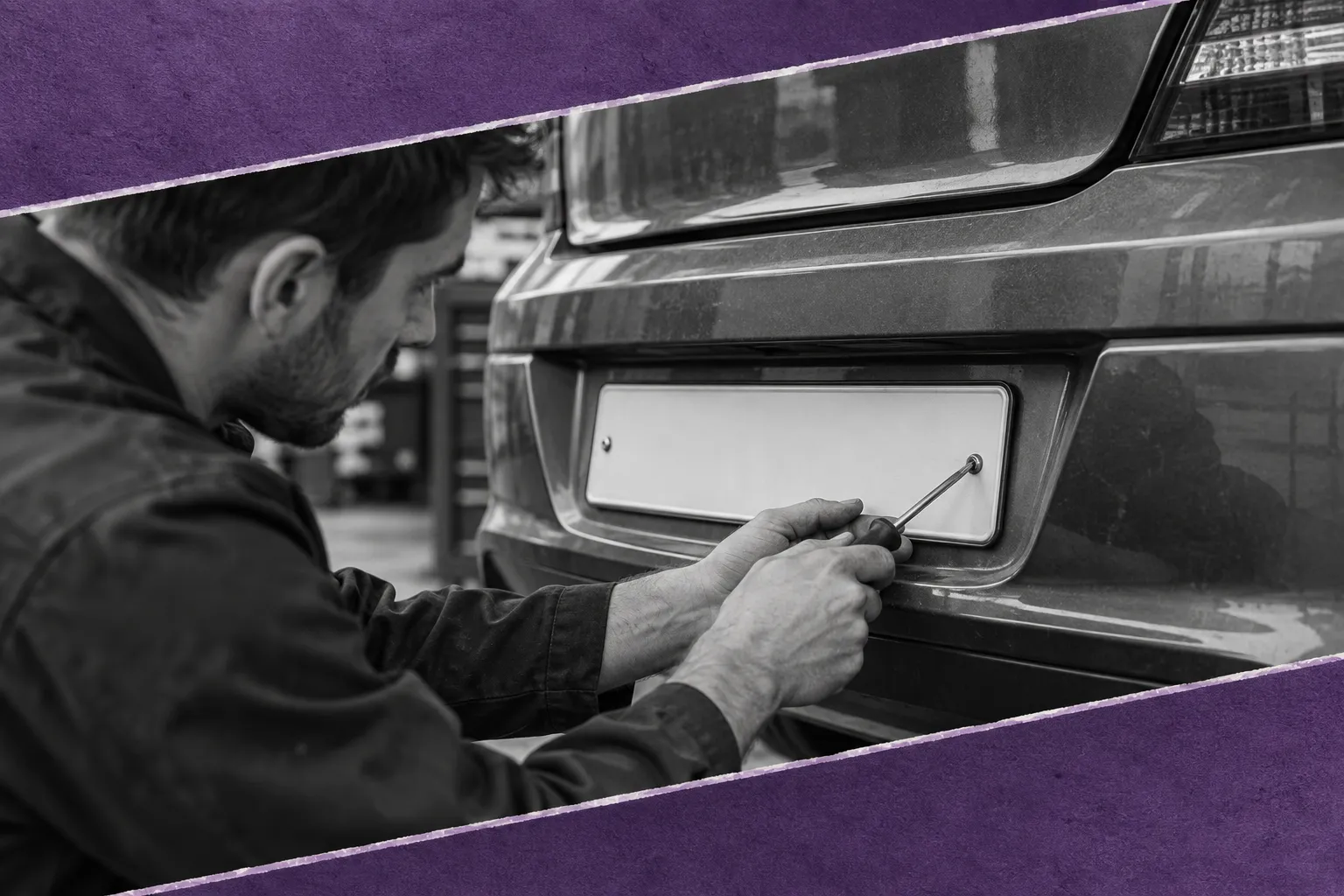
Check lender permission and DVLA paperwork before assigning a private registration, then plan how to retain it before selling or returning the car.
You can often use a private number plate on a financed car, with the finance company’s permission and the correct DVLA assignment. Buying the registration does not, by itself, authorise you to fit the plates.
Plan the other end of the process too. If you want the number on your next car, it needs to be retained or transferred before this one is returned, sold or part-exchanged. Your right to the registration is separate from ownership of the vehicle.
The finance company’s permission and paperwork
With PCP, hire purchase or conditional sale, the lender normally retains ownership until the agreement's ownership conditions are met. A lease company also has an interest in how its vehicle is registered. Ask the company named on your agreement about its private-registration process.
It may need a copy of the new V5C, its own administration form or a fee. Ask who will handle the DVLA application if the finance or leasing company holds the log book. Keep its written permission and instructions with your finance documents.
If you bought the car using an ordinary personal loan, ownership is generally separate from the loan. The lender's vehicle-registration permission is not normally part of that arrangement, but DVLA and insurance requirements still apply. Our guide to the V5C explains why the registered keeper and legal owner are not always the same person.
Check suitability and the full cost before buying
A private number cannot make a vehicle appear newer than it is. For example, an age-related registration from a later year cannot be assigned to an older car just because its letters suit your name. DVLA also has specific restrictions involving Q registrations and vehicle eligibility.
You normally need a certificate of entitlement, known as a V750, or a retention document, known as a V778, showing the right to assign the number. The vehicle must meet DVLA's conditions, which include registration, tax or SORN history and availability for inspection where requested.
Before buying an expensive registration, confirm that it is suitable for the exact car and that you understand the seller's total price and administration service. A payment for the right to use a registration is different from buying a pair of acrylic plates.
Allow for plates, administration and later retention
The cost can include buying the registration, having compliant plates made, any lender administration fee and later retention. DVLA currently charges £80 to take a private number off a vehicle. Assignment using an existing entitlement or retention document is a different step.
Check the lender's current fees rather than assuming another provider's price applies. If a dealer offers to handle everything, ask for the full breakdown and written confirmation of whose name the retention or entitlement will be in.
Coordinate the assignment with the lender and insurer
Follow the lender's instructions alongside DVLA's process. For a used car you have just bought, wait for the V5C in your name before the usual online assignment. A new-car dealer can arrange assignment during registration using the correct entitlement documents. Do not change the keeper merely to make the application easier: that is a separate change which may conflict with the agreement.
Once DVLA confirms assignment, fit compliant plates before driving and await the updated V5C before selling or disposing of the vehicle. Confirm the insurer's change and send the finance company the updated details it requires. A registration mismatch can complicate a settlement or claim.
Update parking, toll and other registration-based accounts as well; DVLA does not change them for you. Keep the old registration in your records so earlier service documents and receipts remain traceable.
Taking the number with you when the car leaves
Start the retention or transfer process well before an agreed return or part-exchange date. Ask the lender how much notice it requires and whether it needs the revised V5C before collection. Do not assume the number can be recovered easily after the vehicle has been passed to another party.
DVLA usually reassigns the original registration when a private number is removed. Fit the correct replacement plates and update insurance and payment accounts again before driving. Keep the retention confirmation securely because it records your right to use the private number later.
If the car is stolen or written off, tell the insurer immediately that you want to retain the registration and ask about the applicable DVLA process before settlement or disposal. The circumstances can affect what is possible.
Put registration retention alongside settlement, collection and other finance-end arrangements. Obtain the revised paperwork and lender confirmation before the keys change hands.
Buy now, pay monthly
Buy now, pay monthly