Best Cars for New Drivers
A first car that won’t punish your budget
Learning to drive is expensive in the UK, and the real financial shock often arrives after you pass your test. Insurance for new drivers can be steep, fuel and servicing add up quickly, and a car that feels like a bargain can become costly if it sits in a high insurance group or guzzles petrol. The good news is that some models consistently prove cheaper to insure and easier to live with, especially smaller city cars with modest engines and strong safety credentials.
If you are choosing your first car, it helps to think like an insurer as well as a driver. A sensible engine size, widely available parts, and a car with modern safety tech can all influence premiums. It is also worth considering how and where you will drive. A compact car that is easy to park and cheap to run can be a practical advantage in towns and cities, while still being comfortable enough for the occasional motorway trip.
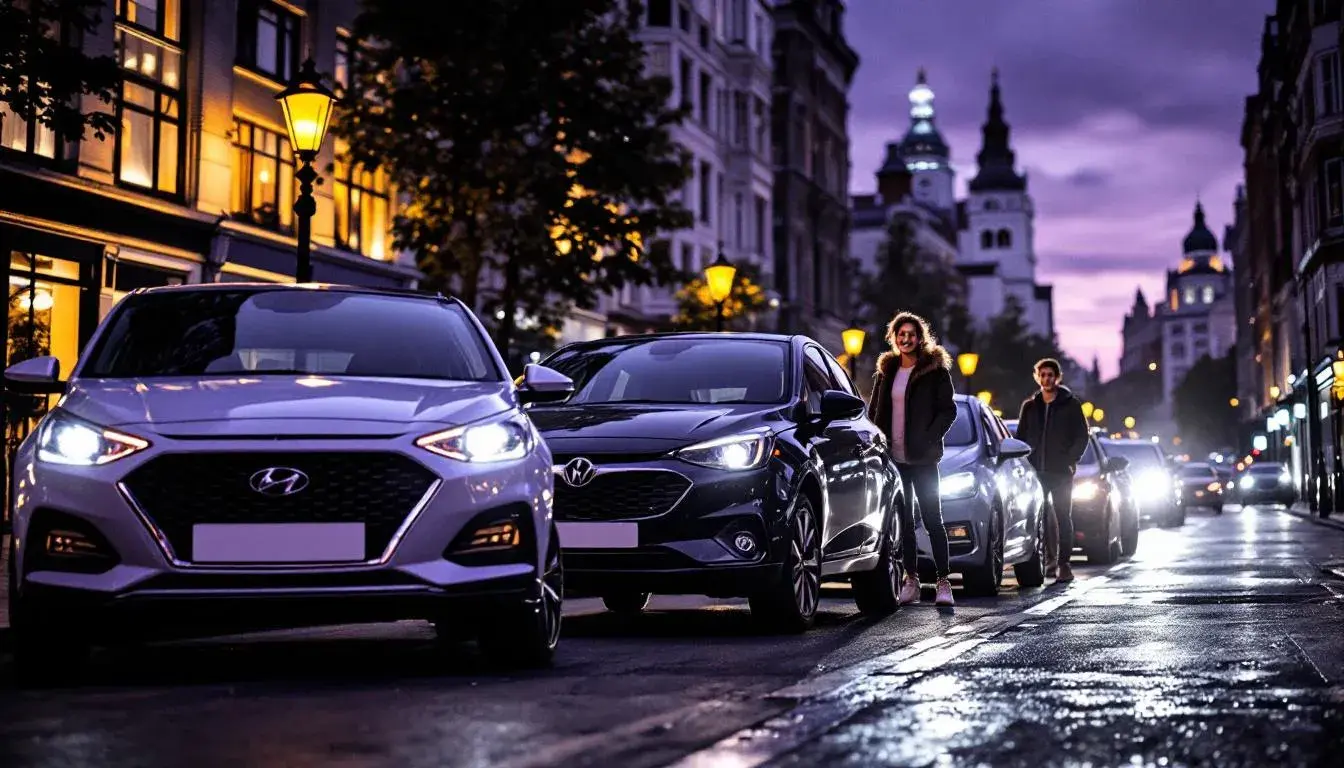
Banner concept: A vibrant UK city street at dusk, new drivers beside compact favourites like the Hyundai i10, VW Polo and Vauxhall Corsa under warm streetlights.
Who this guide is built for
This is for UK drivers who have recently passed, are learning, or are helping a teenager or young adult choose a first car. If keeping insurance and running costs under control matters more than 0-60 times, you are in the right place. It is also useful if you want a car that feels confidence-inspiring in tight urban streets, is straightforward to maintain, and has the kind of safety equipment insurers and parents tend to like.
What “best” really means for new drivers
For new drivers, “best” rarely means fastest or fanciest. It usually means a car that sits in a lower insurance group, has a sensible engine, and is proven to be reliable with affordable parts and repairs. In the UK, models such as the Hyundai i10 and Toyota Aygo X are frequently highlighted for low insurance costs for younger drivers, while staples like the Vauxhall Corsa and Ford Fiesta remain popular because they are familiar, widely available, and easy to service.
Safety matters too. Cars that offer strong crash protection and driver-assistance features can help reduce risk on the road. Practicality plays a part as well: if you can fit shopping, a sports bag, or a couple of friends comfortably, you are less likely to outgrow the car within a year. The sweet spot is a small hatchback with good visibility, modest power, and a reputation for being cheap to insure and run.
How to choose a first car that keeps costs sensible
Start with insurance groups and typical premium levels for your age and postcode, then shortlist cars that regularly appear as cheaper-to-insure options for new drivers. Small engines like 1.0-litre or 1.2-litre petrol units are common in many first-car favourites, and they tend to support manageable running costs. Next, check the trim level: sometimes a sportier variant, larger wheels, or higher performance engine can push premiums up even if it is the same model.
Then look at day-to-day practicality. If you will be doing city driving, compact dimensions and a tight turning circle are worth real money in reduced parking stress and minor scrapes. If you need motorway confidence, consider a slightly larger supermini like a Volkswagen Polo, SEAT Ibiza, Skoda Fabia, or Peugeot 208, which often feel more mature at speed while still being relatively efficient. Finally, budget for ownership beyond the purchase price: servicing, tyres, MOTs (if the car is older than three years), and unexpected repairs.
Next step suggestion: Before you view any car, get three insurance quotes using the exact registration (or a close match) and your real details. It is the fastest way to avoid an expensive surprise.
Why these models come up again and again
Insurers price risk, and new drivers are statistically higher risk, so your choice of car becomes one of the few levers you can control. Cars like the Hyundai i10 are often referenced as particularly affordable to insure for new drivers, helped by their city-friendly design and typically low insurance-group positioning. Similarly, the Toyota Aygo X is frequently noted for strong insurance affordability among new cars, appealing if you want modern features with a lower-premium profile.
Well-known superminis also earn their place. The Volkswagen Polo is regularly recommended for combining a premium feel with modest engine options and advanced safety equipment such as autonomous emergency braking, plus a practical boot (commonly quoted at 351 litres). The Vauxhall Corsa is a UK staple, often associated with low insurance groups (commonly cited around groups 3-10 for certain versions) and modern connectivity like Apple CarPlay, while being familiar to many learners thanks to its popularity in driving schools. The common thread is not glamour, but predictable ownership: reasonable parts costs, good safety, and fewer nasty surprises.
Pros and cons of choosing a “low insurance” first car
| Aspect | Pros | Cons |
|---|---|---|
| Insurance costs | Lower groups and modest engines can reduce premiums | Premiums can still be high for under-25s depending on postcode and mileage |
| Running costs | Better fuel economy, cheaper tyres, lower repair bills | Cheaper cars may be older and need more maintenance |
| Safety and confidence | Many models offer strong safety ratings and helpful driver aids | Entry trims may lack some safety tech, so check spec carefully |
| Practicality | Easy to park and manoeuvre in UK towns and cities | Smaller cabins and boots can feel tight as your needs grow |
| Resale and availability | Popular models are widely available in the used market | Popularity can keep used prices firmer than expected |
Things that can trip you up
A low purchase price does not guarantee low total cost. Insurance can jump based on trim level, modifications, and even wheel size, so keep the car standard where possible. Be wary of “sport” badges, aftermarket exhausts, tinted lights, and non-factory body kits, because insurers may treat them as higher risk. Also watch for mileage: a cheap car with very high miles could be approaching expensive jobs like timing belt changes, clutch replacement, or suspension work.
Check the basics before committing. Verify service history, confirm the MOT status and advisories, and make sure both keys are present. If you are buying privately, insist on seeing the V5C logbook and match the VIN to the car. For newer drivers, parking dings are common, so it is worth inspecting panels for previous repairs and ensuring the tyres are evenly worn. Finally, consider safety equipment: even within the same model, features like AEB, lane support, and extra airbags can vary by year and trim.
Next step suggestion: If you are unsure, pay for an independent vehicle inspection. It can be cheaper than your first unexpected repair.
Alternatives worth considering
Hyundai i10 - Often highlighted as one of the cheapest cars to insure for new drivers, compact and city-friendly.
Toyota Aygo X - Frequently noted for low insurance costs among new cars, with strong reliability credentials.
Kia Picanto - A popular city starter with low running costs and insurance-friendly positioning.
Vauxhall Corsa - Commonly found in lower insurance groups for certain versions, familiar and easy to live with.
Volkswagen Polo - Premium feel with modest engines, strong safety tech, and a practical 351-litre boot.
Skoda Fabia - Spacious and sensible, with a reputation for efficiency and robust VW-group underpinnings.
SEAT Ibiza - Stylish and confident handling with small-engine options that can suit new-driver budgets.
Peugeot 208 - Compact, easy in cities, and typically efficient with smaller petrol engines.
Ford Fiesta - A long-standing UK favourite, widely available used, and well understood by mechanics.
Dacia Sandero - Strong value to buy and run, with simple engineering that can keep costs down.
FAQs
What is the cheapest car to insure for a new driver in the UK?
It depends on your age, postcode, and the exact model and trim, but the Hyundai i10 is widely referenced as a leading option for low insurance costs for new drivers. Always quote before you buy.
Does a 1.0-litre engine always mean cheaper insurance?
Not always, but smaller, lower-powered engines often help. Insurers also consider repair costs, safety features, theft risk, and the claims history of that specific model and trim.
Is it better to buy a newer car to save on insurance?
Sometimes. Newer cars may have better safety tech, which can help, but their higher value can increase comprehensive premiums. The “best value” point is often a well-kept used car with modern safety and a low insurance group.
Will adding a black box (telematics) reduce my premium?
It can, particularly for younger drivers. The trade-off is that your driving is monitored, and risky patterns (hard braking, late-night driving, speeding) may increase costs or affect your policy.
What else can I do to lower first-year insurance costs?
Consider adding an experienced named driver (where appropriate and accurate), choosing a higher voluntary excess you can genuinely afford, parking off-road if possible, and keeping annual mileage realistic. Also avoid modifications.
How Kandoo can help
Choosing a first car is only half the decision. The other half is financing it responsibly and ensuring the monthly cost fits your wider budget. Kandoo is a UK-based consumer finance broker and can connect you with options that match what you are looking for, helping you compare choices in a clear, practical way. The aim is to support informed decisions, especially when costs like insurance and running expenses are already high for new drivers.
Disclaimer
This article is for information only and does not constitute financial advice. Insurance prices and vehicle costs vary by individual circumstances, location, driving history, and the exact car specification. Always check insurance quotes and affordability before committing to a purchase or finance agreement.
Buy now, pay monthly
Buy now, pay monthly