Removal Van Finance: How It Works, Costs and Options
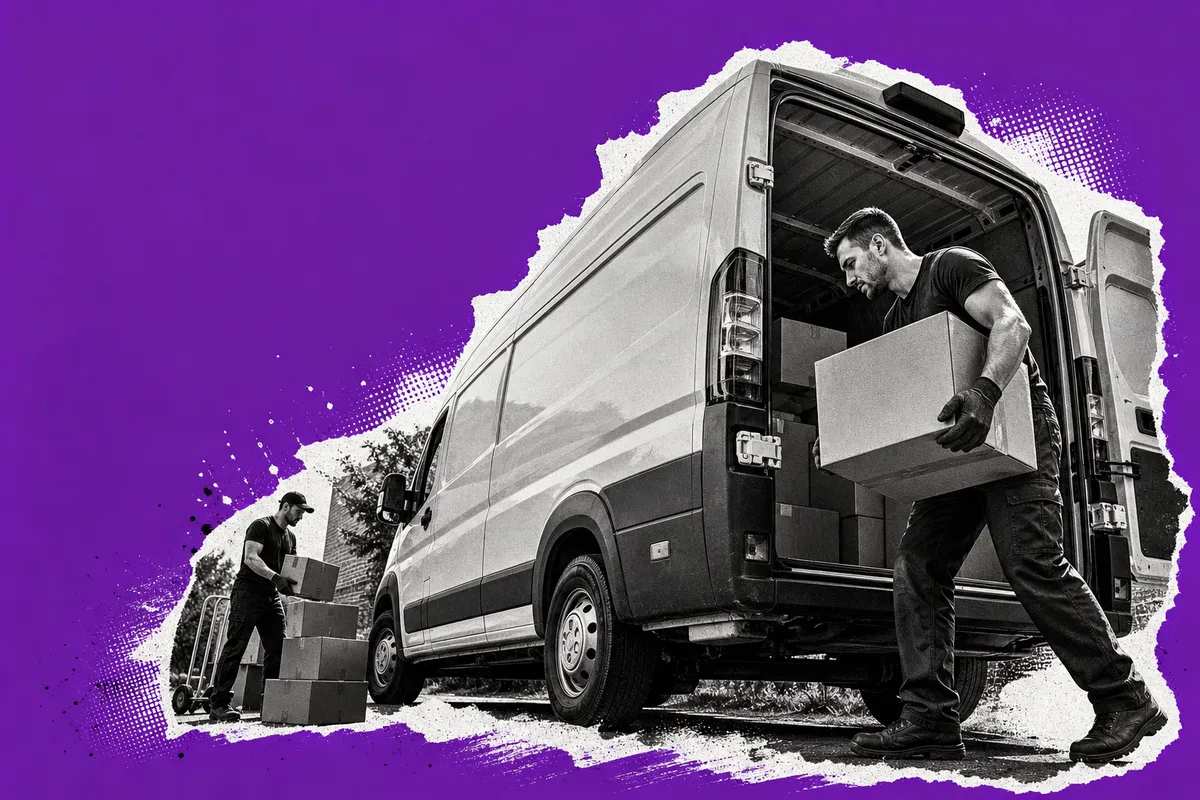
Getting a Van on the Road Without Emptying the Bank
A removal van is often the single biggest purchase a moving business makes. Paying for one outright can take a serious chunk out of your cash reserves, which is why many operators spread the cost over time instead.
Removal van finance simply means borrowing to buy or use a van, then repaying in monthly instalments. This guide walks through how it works, what it typically costs, and what to check before you commit. No jargon, no pressure - just the facts you need to make a sensible decision.
Who Might Find This Useful
This guide is written for UK sole traders, man-and-van operators, small removal firms and growing logistics businesses looking at their first or next vehicle. It may also help anyone comparing a large van purchase for house clearance, courier work or self-employed moving services, whether buying new or used.
What Removal Van Finance Actually Is
Removal van finance is a form of asset finance. A lender pays for the vehicle and you repay that amount, plus interest and any fees, over an agreed term - usually between two and five years. The van itself normally acts as the security for the agreement, which is why rates can be more competitive than an unsecured business loan.
There are several common structures. Hire purchase spreads the full cost and hands you ownership at the end. A finance lease lets you use the van for a fixed period while the lender retains ownership. Contract hire, often called leasing, is effectively a long-term rental with fixed monthly payments and the vehicle handed back at the end. Some lenders also offer balloon payment options, where a larger lump sum is deferred to the final month to keep monthly costs lower.
The right structure depends less on the van and more on whether you want to own it, and how long you plan to keep it.
How the Process Usually Works
You start by deciding what van you need - a 3.5 tonne Luton with a tail lift, a long-wheelbase panel van, or something larger requiring an HGV licence. Knowing the vehicle and its price makes quotes far more accurate.
Next comes an application. A lender or broker will typically look at your trading history, business bank statements, credit profile and, for sole traders, your personal credit file. Newer businesses can still be accepted, though a larger deposit or a personal guarantee may be requested.
Deposits commonly sit between 10% and 20% of the vehicle price, although zero-deposit deals exist. Once approved, you will receive a quote showing the monthly payment, the APR or interest rate, the total amount repayable and any documentation or option-to-purchase fees.
Read the agreement carefully, sign, and the lender pays the dealer or private seller directly. Payments then begin, usually by direct debit, roughly a month later. Approval on straightforward applications can take as little as 24 to 48 hours.
Why Businesses Choose to Finance Rather Than Buy Outright
Cash flow is the main driver. A used Luton van might cost £18,000 to £30,000, and a new one considerably more. Keeping that money in the business means you can cover fuel, insurance, staff wages and quiet months without stress.
Finance also makes budgeting easier. Fixed monthly payments are predictable, which helps when quoting jobs and forecasting income. Because the payments are known in advance, you can work out fairly precisely how many moves a month the van needs to complete to pay for itself.
There can be tax advantages too. Interest on hire purchase is generally an allowable business expense, and capital allowances may apply to the vehicle. Lease payments are often treated as an operating cost. VAT treatment varies by agreement type, so an accountant's input is worth having.
Finally, financing can let you buy a better, more reliable van than your cash balance would allow - which matters when your income depends on the vehicle starting every morning.
Weighing Up Both Sides
| Advantages | Drawbacks |
|---|---|
| Spreads a large cost into manageable monthly payments | Total cost is higher than paying cash, due to interest and fees |
| Preserves working capital for fuel, wages and repairs | The van can be repossessed if you fall behind on payments |
| Fixed payments make budgeting and job pricing easier | Early settlement may involve charges or interest rebate rules |
| Access to newer, more reliable or larger vehicles | Mileage and condition limits apply on lease agreements |
| Potential tax relief on interest, payments or capital allowances | A personal guarantee may be required for newer businesses |
| Ownership possible at the end with hire purchase | Depreciation risk sits with you on purchase-based deals |
| Choice of terms, deposits and balloon structures | Deposit may still be needed upfront |
Details Worth Checking Before You Sign
Always compare the total amount repayable, not just the monthly figure. A longer term looks cheaper each month but can cost thousands more overall. Check whether the rate quoted is a flat rate or an APR, as flat rates can appear deceptively low.
Watch for balloon payments. They reduce monthly costs but leave a substantial sum due at the end, and you will need a plan for it - refinance, sale, or savings. On lease and contract hire agreements, check the annual mileage allowance and excess mileage charges, which can be significant for a busy removals operation.
Ask about fees: documentation, option to purchase, and any early settlement charge. Confirm how VAT is handled, especially on finance leases where it is usually charged on each payment.
Also confirm whether the vehicle needs an operator's licence or tachograph, and that your insurance covers goods in transit. Finally, check the lender or broker is authorised by the Financial Conduct Authority where the agreement is regulated.
Other Ways to Fund a Removal Van
- Pay cash outright - no interest and full ownership immediately, but it ties up working capital you may need elsewhere.
- Unsecured business loan - flexible use of funds and no charge over the vehicle, though rates are often higher and terms shorter.
- Contract hire or van leasing - fixed monthly rental with maintenance packages available, ideal if you always want a newer van and do not need ownership.
- Short-term van rental - sensible for seasonal peaks or trialling a larger vehicle before committing to finance.
- Business credit card or overdraft - workable for a very cheap used van, but interest rates are typically the highest option.
- Refinancing an existing vehicle - releasing equity from a van you already own to fund the next one.
- Subcontracting or partnering - using another operator's vehicle for overflow work while you build capital.
Common Questions Answered
Can I get removal van finance with bad credit? Often yes, though you may face a higher rate or a larger deposit. Because the van acts as security, some lenders are more flexible than with unsecured borrowing.
Can a brand-new business get approved? It is possible. Lenders may ask for a bigger deposit, a personal guarantee, or evidence of contracts and forecast income.
How much deposit will I need? Typically 10% to 20%, although some agreements require nothing upfront. A larger deposit usually reduces both your monthly payment and the total interest.
Can I finance a used removal van? Yes. Most lenders finance used vans, though many set an age or mileage limit for the vehicle at the end of the agreement term.
Do I own the van at the end? With hire purchase, yes, once all payments and any option-to-purchase fee are settled. With contract hire, the van goes back to the lender.
Will applying affect my credit score? A full application usually involves a credit search. Many brokers can provide indicative quotes first so you know where you stand.
Where Kandoo Fits In
Kandoo is a UK motor finance broker, so rather than sending you to a single lender we search across a panel to find options suited to your circumstances. You can get an indicative quote quickly, see the total cost clearly set out, and compare agreement types side by side before deciding anything.
There is no obligation to proceed, and we explain everything in plain English - including the parts other people gloss over.
Important Information
This article is general information only and does not constitute financial, tax or legal advice. Finance is subject to status, affordability and lender criteria, and rates vary by applicant and vehicle. Always read your agreement in full before signing. Kandoo is a credit broker, not a lender. For tax treatment, speak to a qualified accountant. Missing payments could result in repossession of the vehicle.
Buy now, pay monthly
Buy now, pay monthly