Purchase Order Finance: What Is Purchase Order Finance?
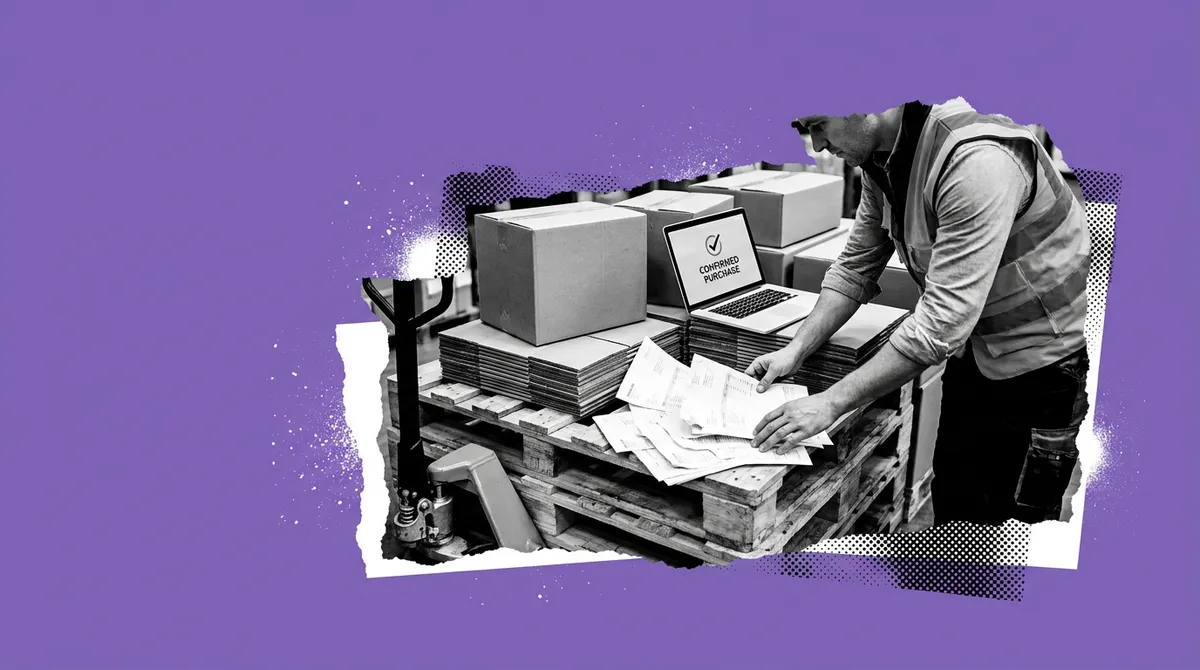
Winning the Order Is Only Half the Job
You have landed a big order. It is exactly the kind of work you have been chasing. Then reality lands too: your supplier wants paying long before your customer does. That gap is where a lot of good businesses get stuck.
Purchase order finance exists to bridge that gap. It is money to pay your supplier so the order can actually be fulfilled. Here we explain how it works, what it costs, who it suits, and where the catches sit - in plain English, with no assumptions about what you already know.
Is This the Right Read for You?
This guide is for UK business owners and finance managers who have won a sizeable confirmed order but do not have the cash to pay suppliers upfront. It is particularly relevant if you import, manufacture, wholesale or distribute goods, and if your customer is an established, creditworthy company.
The Basics: Funding the Order, Not the Invoice
Purchase order finance (often shortened to PO finance) is a short-term form of trade or cash flow funding secured against a confirmed purchase order. Instead of lending against your property, your trading history alone, or an invoice you have already raised, the lender looks at a firm order from a buyer and funds the cost of fulfilling it.
In practice, that usually means the finance provider covers your supplier costs so goods can be produced, bought or shipped. Depending on the provider and the risk involved, UK guidance describes advances ranging from up to 90% of the purchase order value through to up to 100% of supplier costs. There is no single standard figure, because underwriting is deal-specific.
PO finance is a tactical tool for fulfilling orders, not long-term expansion capital.
That distinction matters. It is designed to close the working capital gap between winning a contract and collecting payment, which is why facilities are typically arranged order by order rather than as permanent borrowing.
How the Money Actually Moves
The process usually starts the moment you receive an official purchase order, complete with an order number and documented details. You submit that order to the finance provider, who verifies it and assesses the creditworthiness of your end buyer as part of the decision. If the order and the buyer stack up, funding is approved.
From there, the lender generally pays your supplier directly rather than passing cash through your account. In international trade deals, this can be arranged through a back-to-back letter of credit instead. The supplier produces or ships the goods, the order is delivered to your customer, and you raise your invoice.
When your customer settles that invoice, the proceeds repay the finance provider, less their fees, and you keep the balance. In many facilities, invoice finance is used to repay the PO lender as soon as the receivable exists, so you are not waiting on your customer's payment terms to free up cash.
Why Businesses Use It
The main reason is simple: it lets a business accept orders that are larger than its current cash balance would normally allow. Importers, manufacturers, wholesalers and distributors are the most common users, because they face real upfront costs for materials, production, freight and shipping long before any money comes back in.
Without this kind of support, the choices are uncomfortable. You might turn down the order, split it into smaller batches, ask your supplier for extended terms, or drain the working capital you need for day-to-day trading. Each of those options carries a cost, and turning down a genuine order can damage a customer relationship you have spent years building.
PO finance also keeps ownership intact. You are not selling equity or taking on long-term debt to service one contract. You are funding a specific transaction, and the funding unwinds once that transaction completes. For businesses with strong sales but temporary cash constraints, that can be a sensible fit.
Weighing It Up
| Potential advantages | Points to weigh carefully |
|---|---|
| Lets you fulfil orders larger than your current cash allows | Costs are often fee-based, commonly quoted from around 2% to 5% of the financed amount |
| Suppliers are usually paid directly, protecting supply chain relationships | Requires a confirmed order from a financially stable, verifiable buyer |
| Secured against the order and buyer quality rather than long-term assets alone | Advance rates vary by provider, from up to 90% of order value to up to 100% of supplier costs |
| Short-term and self-liquidating - it unwinds when the order completes | Not suitable for services, speculative sales or long-term growth funding |
| Can be combined with invoice finance to smooth the whole order cycle | Layering products adds complexity and additional fees |
| No need to give up equity to fund a single contract | Lenders can be selective, particularly with SMEs and cross-border deals |
Details Worth Checking Before You Commit
The first thing to interrogate is the all-in cost. Because pricing is typically a transaction fee, sometimes alongside interest, the headline rate rarely tells the full story. Ask for the total cost in pounds for your specific order, factoring in supplier cost, transaction length, and whether invoice finance will also be used to repay the facility. Then check that your margin on the order can genuinely absorb it.
Second, be realistic about the advance. If a lender funds supplier costs only, you may still need cash for freight, duty, insurance or your own overheads. Confirm exactly which costs are covered.
Third, understand the buyer test. Your customer's credit quality is central to approval, so a strong order from a weak buyer may not be financeable.
Finally, look at delays. If shipping slips or your customer pays late, fees can build. Ask what happens in that scenario before you sign, not after.
Other Routes to Consider
- Invoice finance - releases cash against invoices you have already raised. It works after delivery rather than before, and is frequently used alongside PO finance to repay the earlier facility.
- Trade finance or letters of credit - designed for import and export transactions, giving suppliers payment assurance while you manage shipping timelines.
- Supply chain finance - lets suppliers get paid early through a facility arranged around the buyer's credit strength.
- Business overdraft or revolving credit facility - flexible short-term borrowing for general working capital, though limits are often smaller than a single large order requires.
- Unsecured business loan - a fixed sum repaid over an agreed term, useful when you want predictable repayments rather than transaction-based fees.
- Asset finance - if the constraint is equipment or machinery capacity rather than stock purchase, this spreads the cost of the asset itself.
- Supplier negotiation - sometimes the cheapest option is extended payment terms or a part-deposit arrangement with an established supplier.
Common Questions Answered
Is purchase order finance the same as invoice finance? No. The core difference is timing. PO finance funds your supplier before goods are delivered, while invoice finance releases cash after delivery, once an invoice has been raised. Many facilities are structured so the PO lender is repaid from the later invoice proceeds.
How much can I typically borrow? UK guidance describes advances of up to 90% of purchase order value, and in some cases up to 100% of supplier costs. The exact figure depends on the provider's risk appetite, your buyer's credit quality and the structure of the deal.
Do I need a confirmed purchase order to apply? Yes, in almost all cases. An official purchase order with an order number and documented details is the starting point. Providers verify the order before funding is arranged.
Does the lender pay me or my supplier? Usually the supplier, directly. In international trade deals this may be done through a back-to-back letter of credit rather than a straight payment.
What does it cost? Pricing is commonly expressed as a transaction fee, sometimes with interest. Some UK providers advertise fees from around 2% to 5% of the financed amount, but always request a full quote for your specific order.
Which businesses use it most? Importers, manufacturers, wholesalers and distributors - businesses with real upfront supplier costs and a timing gap before customer payment.
Can it be used for services? Generally not. It is built around goods, suppliers and physical fulfilment rather than labour or professional services.
Where Kandoo Fits In
Kandoo is a UK finance broker, which means our job is to help you compare options rather than push a single product. If you are weighing purchase order finance against invoice finance, trade finance or a straightforward business loan, we can talk through how each one would work for your order, your margins and your timelines. No pressure, no jargon - just a clear view of what is available so you can make an informed decision.
Important Information
This article is for general information only and does not constitute financial, legal, tax or accounting advice. Purchase order finance products, advance rates, fees and eligibility criteria vary between providers and change over time. Always read the full terms of any facility and consider seeking advice from a qualified professional before making borrowing decisions. Your business may be at risk if repayments are not met.
Buy now, pay monthly
Buy now, pay monthly