Petrol vs Diesel: What’s Cheaper Now?
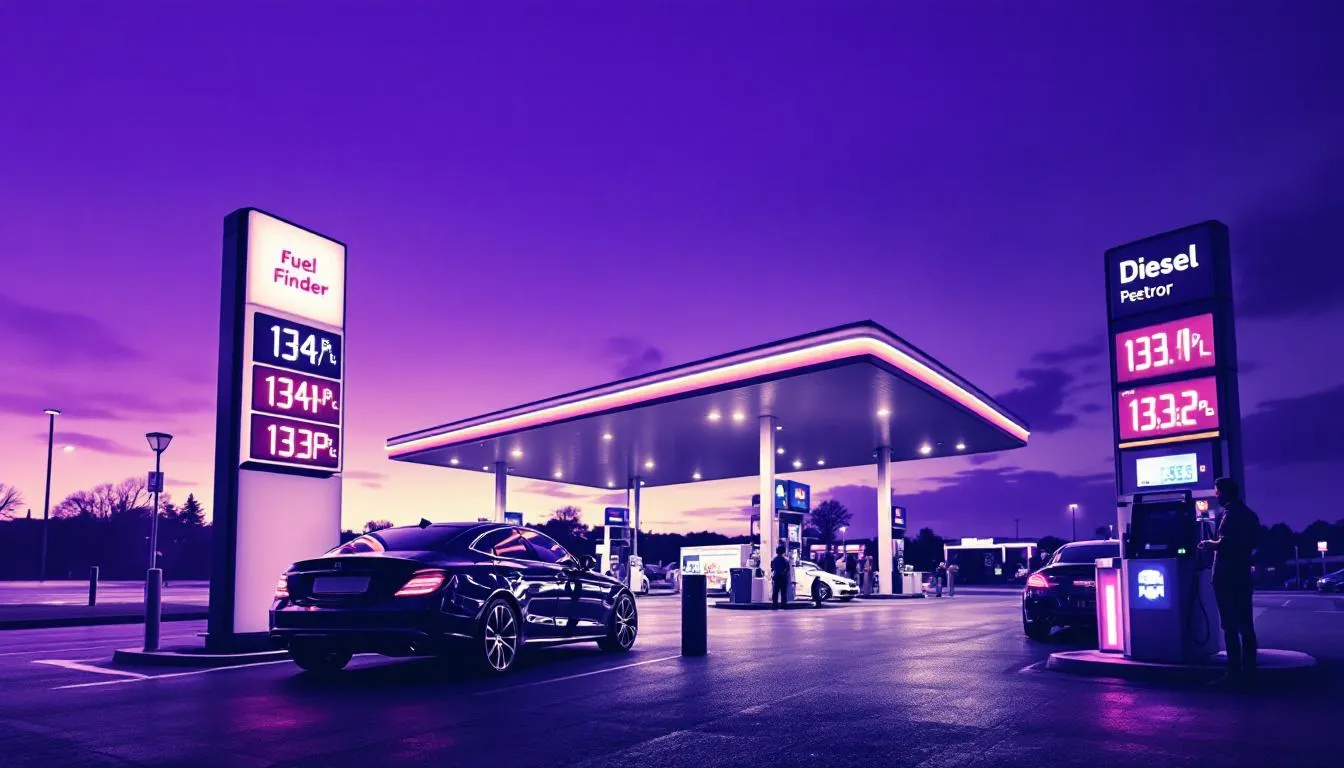
The price picture today
In 2025, petrol averaged 135.69p per litre and diesel 142.96p across Great Britain, both lower than 2024. That suggested petrol held the edge for most of last year. But early 2026 has shifted the balance. With the government’s new Fuel Finder scheme now live, real-time forecourt data shows diesel slipping under petrol in several regions. In practice, drivers are seeing local diesel prices that beat petrol by a penny or two per litre - and the gap can widen where supermarket competition is strongest.
What changed? From 2 February 2026, every forecourt must publish live prices within 30 minutes of any change. Apps and websites now surface those updates instantly, levelling the playing field between independents, supermarkets and oil-branded sites. The result is more visible competition and quicker price moves when wholesale costs ease. For you, that means less guesswork and more confidence that you are paying one of the lowest prices nearby.
Supermarket forecourts continue to undercut the national average by roughly 3p per litre. On a 50-litre fill, that is about £1.50 saved before you factor in loyalty points or app-specific offers. Combined with Fuel Finder’s live comparisons, typical drivers can trim around £4.50 per tank by actively shopping around. If you fill up weekly, the annual saving adds up without changing your mileage.
Clear takeaway: check the live price before you drive. Diesel may now be the cheaper choice in your postcode - and the difference can be worth the detour.
Who benefits most
If you drive regularly for commuting, school runs or deliveries, the new visibility is designed for you. High-mileage diesel drivers might finally reclaim an advantage at the pump, but petrol owners still gain by targeting the cheapest local station each week. Households juggling rising costs can combine supermarket pricing, loyalty schemes and Fuel Finder alerts to lower routine spending without switching vehicles. Even occasional drivers can time refuelling around dips that now show up in real time. For businesses or sole traders, postcode-based checks across routes can trim fleet fuel costs with minimal admin.
Your money-saving routes
Use a Fuel Finder-enabled app to compare live petrol and diesel prices nearby.
Prioritise supermarkets - typically around 3p per litre below the GB average.
Cross-check weekly GB averages on gov.uk to spot trends and timing.
Combine price checks with loyalty points or vouchers for extra value.
Consider diesel if local live prices consistently undercut petrol.
What it means for your wallet
| Measure | Typical range | What to watch | Why it matters |
|---|---|---|---|
| Cost per litre | Petrol ~135-140p, Diesel ~133-139p in some areas | Local live updates can swing daily | A 2p difference saves £1 on a 50L fill |
| Immediate impact | £1.50-£4.50 per tank saved | Supermarkets + live comparisons | Small gains compound over months |
| Annual returns | £40+ per household expected by government | Depends on mileage and shopping habits | Regular comparisons unlock the full benefit |
| Risks | Price volatility, wasted trips, quality misconceptions | Verify timestamps in apps, check detour distance | Savings can vanish if you drive far for a minor discount |
Who can switch and save
Anyone fueling a petrol or diesel car in GB can benefit from live pricing. You do not need a new account at every station - most apps let you search by postcode and filter by fuel type, brand and distance. Checking weekly averages on gov.uk helps you understand the national backdrop, but your decision should be local. If diesel is consistently a penny or two cheaper at nearby forecourts, diesel drivers can expect the advantage to show up at the till. Petrol owners still win by using supermarket sites and timing fills after price drops. If you are financing a vehicle through Kandoo’s broker network, factoring monthly mileage and local price patterns into your running-cost estimate gives a more accurate affordability picture. For mixed-fuel households or small fleets, set a simple rule: always compare, then choose the closest station within a small radius that is in the cheapest 2-3 options. That balances price with time and travel.
Simple steps to lock in lower prices
Open a trusted fuel-price app with live updates.
Enter your postcode and select petrol or diesel.
Sort by price, then filter by distance radius.
Check timestamp - aim for updates within 30 minutes.
Compare supermarkets with nearby independents.
Pick the cheapest within a short detour.
Fill, keep receipt, note the price per litre.
Re-check weekly averages to track trends.
Upsides and trade-offs
| Factor | Pros | Cons |
|---|---|---|
| Live transparency | Faster price drops reach you sooner | Prices may change between checks and arrival |
| Supermarket pricing | Often 3p per litre below average | Busy forecourts, occasional queues |
| Diesel trends | Potentially cheaper than petrol in early 2026 | Can flip back if wholesale costs move |
| Time vs savings | Consistent £4.50 per tank possible | Long detours erase gains |
Keep your eyes on the small print
Fuel prices move with wholesale markets, taxes and local competition. A station that beats the average today may not do so tomorrow, so rely on timestamps rather than assumptions. Set a realistic travel limit - a minor detour saves money, a long one can cost more than it returns. Be mindful of promotional pricing that is limited by time of day or stock levels. If you are comparing diesel and petrol solely on pump price, remember that vehicle efficiency also matters. Diesel cars often travel further per litre, but differences vary by model, age and driving style. Finally, roll loyalty points into your maths only if you actually redeem them - headline rates can flatter savings that never reach your bank account.
Alternatives that also cut costs
Use postcode tools on comparison sites to validate local deals.
Combine supermarket fuel with in-app vouchers for stacked savings.
Plan fills on regular routes to avoid special trips.
Keep tyres correctly inflated to improve efficiency.
Consider car-sharing on routine journeys to halve fuel spend.
Quick answers to common questions
Q: Is diesel really cheaper than petrol now? A: In several GB areas, yes. Early 2026 live data shows diesel undercutting petrol locally. Always check your postcode before filling.
Q: How much can I save per tank? A: Around £1.50 at supermarkets alone on a 50-litre fill, and up to roughly £4.50 when you combine supermarket pricing with live comparisons.
Q: Do I need to download multiple apps? A: Not necessarily. One reputable app using the Fuel Finder feed should cover local stations. Some drivers use a second app for cross-checking.
Q: How current are the prices? A: Stations must publish changes within 30 minutes. Choose apps that show timestamps and refresh frequently.
Q: Where can I track national trends? A: Weekly GB averages for petrol and diesel are published on gov.uk. Use them to sense-check your local prices over time.
Q: Should I switch vehicle because diesel is cheaper? A: Not on price alone. Consider total cost of ownership, usage patterns and any clean air zone charges before making a change.
How Kandoo helps you plan ahead
Kandoo is a UK-based retail finance broker. If you are budgeting for a new or used car, we help you understand monthly costs more clearly by factoring realistic fuel expenses based on your postcode trends. Talk to us for tailored finance options and smarter affordability checks.
Important information
Fuel prices change frequently. All figures are indicative and can vary by region and station. Savings depend on your mileage, vehicle efficiency and driving habits. Always verify live prices and consider travel distance before detouring.
Buy now, pay monthly
Buy now, pay monthly