Personal Contract Hire: What Is Personal Contract Hire?
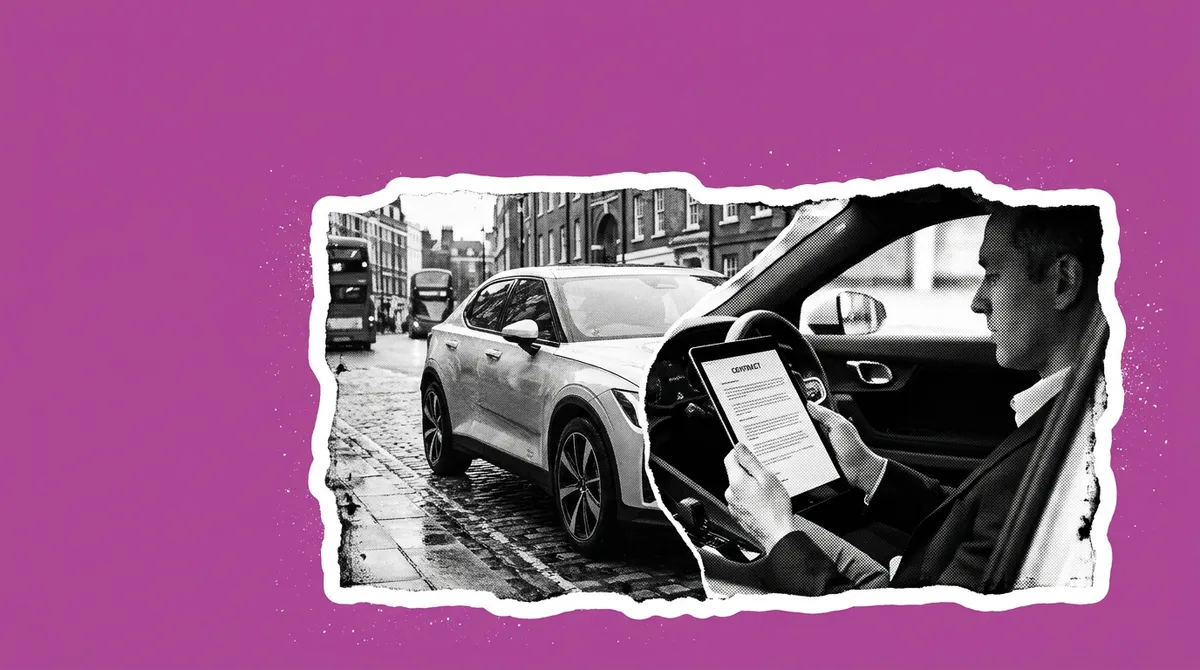
Leasing a Car, Explained Simply
If you have ever looked at a car advert showing a low monthly figure and wondered what the catch was, there is a good chance you were looking at Personal Contract Hire, or PCH.
It is one of the most common ways UK drivers get behind the wheel of a new car, but it works differently from buying. In this guide we walk through what PCH actually is, how the payments are set up, what happens at the end, and how to tell whether it genuinely fits your situation. No jargon, no pressure - just the facts you need.
Is This Route Likely to Suit You?
PCH tends to appeal to drivers who like a newer car every few years, want predictable monthly costs, and are not bothered about owning the vehicle outright. It is less suitable if you want to build up equity, keep a car for a decade, or drive very high mileage each year.
What Personal Contract Hire Actually Is
Personal Contract Hire is a form of car leasing for personal use. In practice, it works like a long-term rental agreement. You choose a car, agree a contract length and an annual mileage limit, pay an initial rental upfront, and then pay fixed monthly rentals for the rest of the term.
The important part is what you are paying for. You are paying for the use of the car, not for the car itself. The leasing company remains the owner throughout, and at the end of the agreement the vehicle is handed back rather than bought.
This is where many people get confused. With PCH there is usually no option to purchase the car at the end of the contract. That is the key difference from Personal Contract Purchase (PCP), which normally gives you the choice of paying a final balloon payment to keep the vehicle.
With PCH, you are buying the driving, not the car.
Because the leasing company takes the vehicle back, it also carries the risk of what that car is worth in a few years' time - not you.
How the Agreement and Payments Work
A typical PCH deal starts with an initial rental. Many UK offers ask for the equivalent of anywhere between one and nine monthly payments upfront, and some providers structure this differently again. You then pay a fixed monthly rental for the remainder of the term.
Contract lengths commonly run between 24 and 48 months, or roughly two to four years. Four things usually shape your monthly figure:
- The price and specification of the car
- The length of the contract
- The annual mileage you agree to
- How much you pay as an initial rental
Generally speaking, a longer term reduces the monthly cost, and a lower mileage allowance can make a deal cheaper too. That is why a headline monthly price only means something once you know the term and mileage attached to it.
Some providers include road tax within the lease, and many offer servicing and maintenance as an optional add-on for an extra monthly amount. At the end of the term, the car is collected or returned, inspected, and you either walk away or arrange something new.
Why Drivers Choose It
The biggest attraction is predictability. Fixed monthly rentals over a known term make household budgeting far simpler than owning an ageing car and hoping nothing expensive goes wrong. If you add a maintenance package, servicing and routine wear items can be folded into that fixed cost too.
The second attraction is the clean exit. Because you hand the car back, you never have to worry about depreciation, part-exchange values, or finding a buyer. The finance company shoulders the residual value risk, and you simply arrange your next agreement.
This is also why PCH has become a popular way to try electric vehicles. Battery technology, model ranges and incentives are all moving quickly, and plenty of drivers would rather not commit to owning a car whose long-term value is hard to predict. Leasing offers a lower-friction way into a newer electrified model, with the option to reassess in a few years when the market has moved on again.
Weighing It Up
| Pros | Cons |
|---|---|
| Fixed monthly rentals make budgeting straightforward | You never own the car and build no equity |
| No depreciation or resale risk to worry about | Usually no option to buy at the end of the term |
| Access to newer cars, including EVs, every few years | Annual mileage limits, with charges if you exceed them |
| Clear, defined handback process at the end | Damage beyond fair wear and tear can be charged |
| Road tax often included; maintenance can be added | Insurance, fuel or charging and most running costs are still yours |
| Often a lower monthly cost than buying the same car on finance | Ending the agreement early can be expensive |
The Details That Catch People Out
Two areas cause most end-of-contract surprises: mileage and condition.
Your agreement will set an annual mileage limit, and going over it typically triggers an excess mileage charge based on a pence-per-mile rate. If you regularly drive more than you expected, the cheapest monthly deal can quickly stop being the cheapest overall. Be honest with yourself about your real annual mileage before you sign, not the mileage you hope to do.
Condition matters just as much. You are normally expected to return the car in a state consistent with fair wear and tear for its age and mileage. Kerbed alloys, deeper scratches, dents and interior damage can all be charged for. It is worth reading the fair wear and tear standard your provider uses, and having any obvious damage repaired before handback if that works out cheaper.
Finally, check what is included. PCH covers the use of the car, but insurance, fuel or charging, and most day-to-day costs remain your responsibility unless the contract specifically says otherwise.
Other Ways to Fund a Car
- Personal Contract Purchase (PCP) - fixed monthly payments with a deferred lump sum at the end, giving you the option to buy the car, hand it back, or part-exchange it.
- Hire Purchase (HP) - you spread the full cost of the car over the term and own it outright once the final payment is made. No mileage limits.
- Personal loan - unsecured borrowing used to buy the car outright, so you own it from day one and can sell it whenever you like.
- Buying with savings - no interest, no monthly commitment, but you take on the full depreciation and repair risk yourself.
- Car subscription services - shorter, more flexible agreements that often bundle insurance and maintenance, usually at a higher monthly cost.
Common Questions
Can I buy the car at the end of a PCH agreement? Usually not. PCH is designed around returning the vehicle. If buying at the end matters to you, PCP or Hire Purchase are likely to be a better fit.
How long do PCH contracts usually last? Most run between 24 and 48 months. Longer terms typically mean lower monthly rentals.
What happens if I go over my mileage? You will normally pay an excess mileage charge per additional mile. The rate is set out in your agreement, so check it before you sign.
Is insurance included? Generally no. You will usually need to arrange fully comprehensive insurance yourself. Road tax is often included, and maintenance can sometimes be added.
Can I end the contract early? Often yes, but there is usually an early termination charge. Ask for the figures before committing, as they can be substantial.
Is PCH good for an electric car? Many drivers think so, because it avoids taking on long-term depreciation risk in a fast-moving market. It still depends on your mileage and charging setup.
Will a credit check be needed? Yes. Leasing is a form of finance, so providers will assess your credit history and affordability.
Where Kandoo Fits In
Kandoo is a UK finance broker, which means we help you compare options across a panel of lenders rather than pushing one product. If you are weighing up leasing against PCP, Hire Purchase or a personal loan, we can talk you through the differences in plain English and show you what you may be eligible for, without affecting your credit score at the initial enquiry stage. The decision stays entirely yours.
Important Information
This article is for general information only and does not constitute financial advice or a recommendation. Terms, mileage allowances, charges and eligibility vary between providers, so always read your agreement carefully before signing. Kandoo is a credit broker, not a lender. Finance is subject to status, affordability and credit checks. If you need impartial guidance, MoneyHelper offers free support.
Buy now, pay monthly
Buy now, pay monthly