PCP Return Checklist: Keys, Cables, Manuals and Accessories
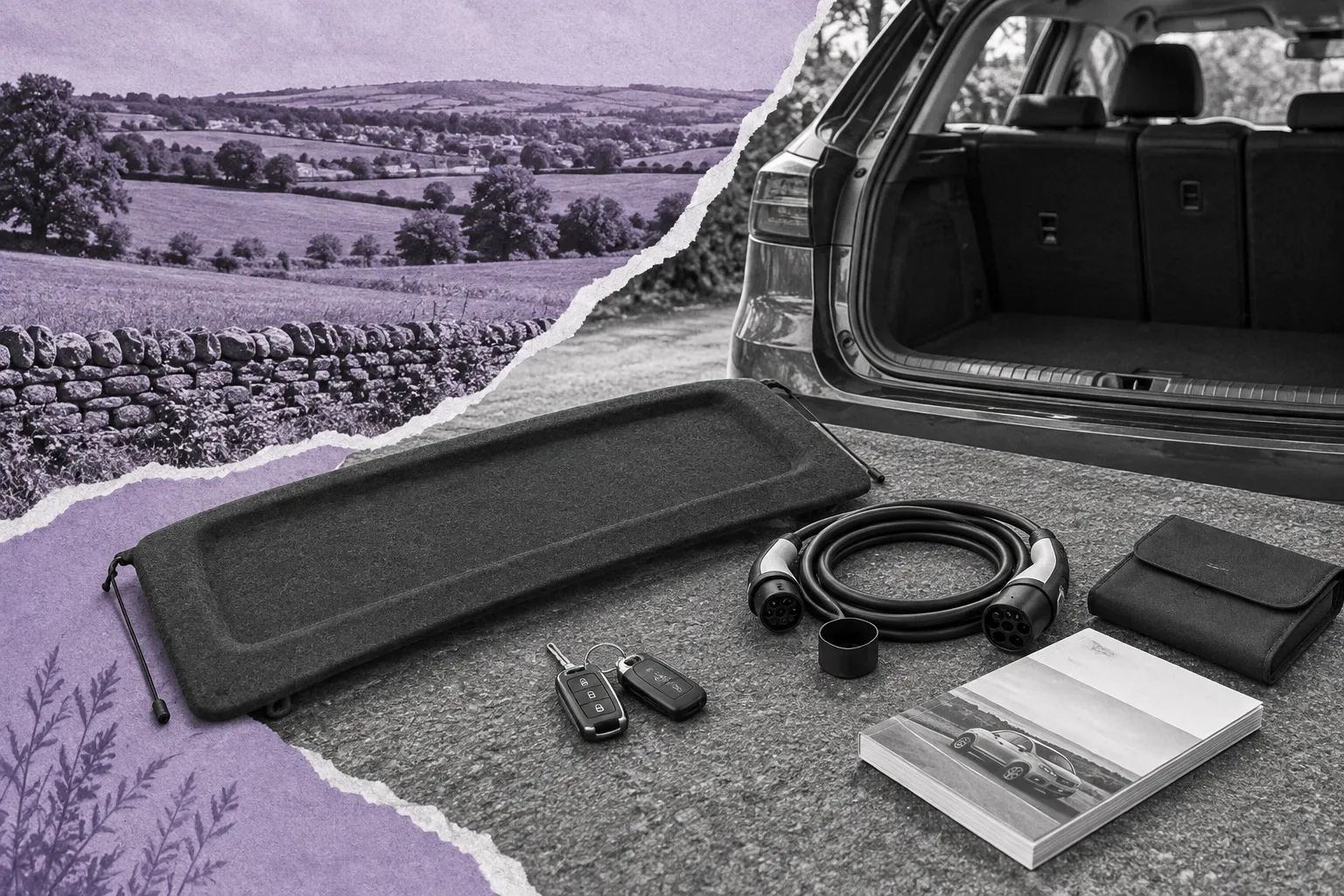
Prepare for a PCP return with a practical equipment, paperwork and handover checklist, including spare keys, charging cables and evidence of the car’s condition.
The spare key at a relative's house, a cable in the garage and a parcel shelf removed for a holiday are easy to overlook until collection day. Start gathering the equipment while there is still time to replace something or resolve a disagreement about what was originally supplied.
This checklist covers a planned return at the normal end of PCP. A dealer purchase, part exchange or voluntary termination can follow a different process. Use your lender's return pack and original handover record as the reference for your car.
First: Establish What Must Come Back
Find the invoice, equipment list and any photographs from collection. A used car may not have included every accessory supplied when it was new. If only one key was recorded when your agreement began, keep that evidence and ask the lender to confirm how it will be treated.
Request the current return pack and applicable condition standards. Put the inspection and collection dates in your diary, then work backwards far enough to replace an item or obtain a missing service record. Do not rely on a friend's experience with a different lender.
Missing equipment can be charged separately from damage or mileage. If you are still deciding whether to return the car, the end-of-finance options guide explains the alternatives before you book collection.
Keys and Security Equipment
- Locate every key supplied, including the spare kept at another address.
- Test remote locking and starting using each key.
- Check that any removable emergency key is still inside the fob.
- Find the locking wheel nut key and return it in its usual storage place.
- Gather any separate alarm fob or security item listed at handover.
A key that opens the door but will not start the car may need attention. Ask the lender what standard a replacement must meet before buying a cheap unprogrammed fob online. Keep the receipt for any replacement and allow time to verify that it works.
Put the spare keys and small accessories together in a labelled pouch. Keep the main key available for moving the car; do not lock every key inside it while preparing the handover.
Charging Leads and Boot Inventory
For an electric car or plug-in hybrid, identify the charging leads that came with the vehicle. A portable mains charging lead and a cable for untethered chargepoints are different items. You may need to return both if both were supplied.
Unplug and inspect them safely, following the car's instructions. Check the plugs, cable and storage bag for obvious damage. Do not attempt an electrical repair yourself. A home wallbox normally remains part of your property, but a removable cable supplied with the car may still belong with the return.
For the boot, tick off the equipment that was supplied:
- Spare wheel or puncture-repair kit.
- Tools and towing eye.
- Storage inserts and removable boot floor.
- Parcel shelf or luggage cover.
Where an item is damaged or missing, compare a proper replacement quote with the lender's stated charge. Confirm acceptability first; replacing an item twice is a false economy.
Documents to Supply, Data to Remove
Prepare evidence of servicing required under the agreement. If the record is digital, ask the servicing business how the lender or inspector will access it, and obtain a printout or confirmation where needed. A folder of payment receipts is more useful when it clearly shows the vehicle, date, mileage and work completed.
Gather the handbook pack and any navigation memory card or other removable equipment supplied. Follow the lender's specific instructions for the V5C and MOT documents; do not hand over a logbook to an unidentified collector without knowing the agreed process.
Keep copies of important records for yourself. Remove unrelated personal information from invoices where appropriate, while preserving the details needed to establish the service. If accident repairs were completed, retain the repair invoice and any transferable guarantee.
Remove Personal Data and Your Own Accessories
Delete saved home addresses, contacts and paired phones from the car. Remove your account from connected services using the manufacturer's transfer instructions, and check whether any digital keys need revoking. A factory reset can take time, so complete it before collection rather than while the driver waits.
Take out parking permits, toll tags, dashcams and personal charging cards. Be careful with cables: a phone lead you bought is different from a charging cable included with the vehicle. If removing an accessory leaves adhesive or holes, check how to restore the area properly.
Collection-Day Evidence
Clean and dry the car so its condition is visible. Take clear, dated photographs of every side, the wheels, interior, odometer and accessories together. Photograph individual areas of concern close up and from a wider angle, so their location is clear.
Record the fuel or battery level and follow any minimum level stated in the collection instructions. Confirm who remains responsible for insurance until handover, especially if collection has been delayed. Do not assume the booked date alone ends your responsibility.
Read the collection report before acknowledging it. If you disagree with a description, ask for your objection to be recorded and keep a copy. A photograph of two keys and a cable, plus a report confirming their receipt, is much stronger evidence than a later recollection.
After Collection: Reconcile the Account
Returning the keys is only part of closing the agreement. Ask the lender to confirm receipt, any remaining balance and what will happen to the Direct Debit. Do not cancel payments merely because a collection has been booked.
Compare any invoice with the agreement and your evidence. Missing-item, condition and mileage charges should be identifiable; query an unexplained combined amount. If the transaction has changed to voluntary termination, obtain the instructions and figures for that route instead of applying the normal-return assumptions.
Buy now, pay monthly
Buy now, pay monthly