PCP Fair Wear and Tear: What Counts as Damage?
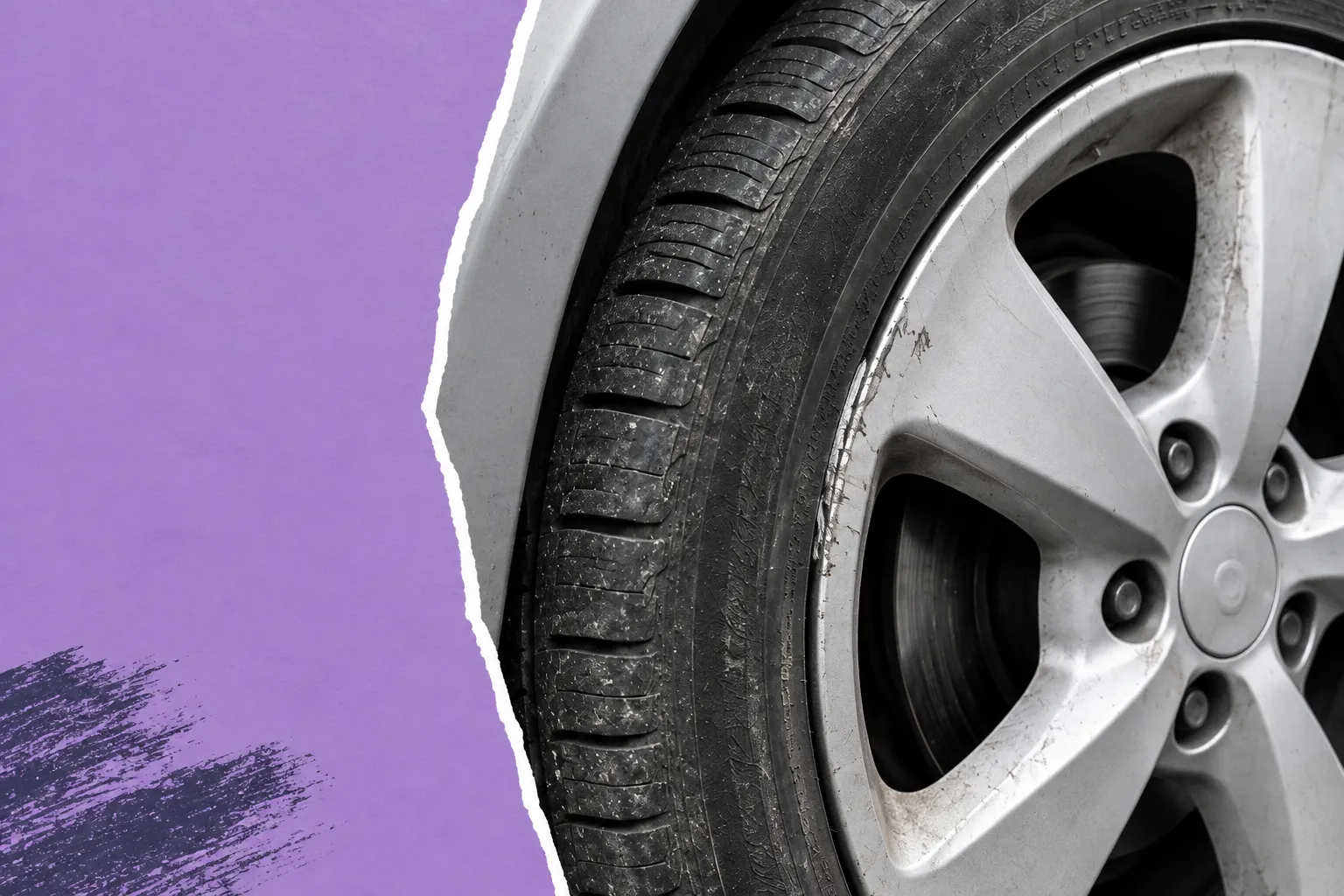
Understand the difference between ordinary wear and chargeable damage, prepare your PCP car for inspection and challenge a return bill with clear evidence.
A PCP car does not usually have to come back looking brand new. Fair wear and tear allows for the deterioration that comes with normal use. Damage from impacts, misuse or neglect, and wear beyond the agreed return standard, can lead to charges.
The difficult cases are often small: a scuffed wheel, a scratch near a door handle or a mark on a seat. Whether a particular defect is chargeable depends on the condition guide that applies to your agreement, its severity and the car's circumstances. A size limit copied from another lender's website is not a reliable answer.
Use the condition standard for your agreement
Ask your finance provider for the return standard and current damage-charge information for your specific PCP agreement. Many providers use the British Vehicle Rental and Leasing Association's fair wear and tear guidance, but you should confirm what your lender applies.
Check that the document covers your vehicle and product. A van guide, a rental-car checklist and a PCP return guide are not interchangeable. Read any requirements for service records, keys, accessories and professional repairs alongside the cosmetic condition standards.
Keep the version the lender supplies with your agreement. If a charge later looks inconsistent with that guidance, you will have something specific to refer to. The provider should explain its assessment rather than simply describing the car as below standard.
Assess the marks on your car
Paintwork, chips and dents
Small marks associated with everyday use may be acceptable. A deeper scratch exposing material beneath the paint, damaged paint around a dent or a poorly finished repair may fall outside the standard. Size is only part of the assessment: depth, location, number of defects and paint damage can also matter.
Clean the panel, let it dry and look from several angles in daylight. Take one photograph showing where the mark is and another close enough to show its detail. If the lender's guide uses measurements, photograph a ruler beside it without covering the damage.
Wheels, tyres and glass
A light wheel scuff and a cracked or badly damaged wheel raise different issues. Compare each wheel with the supplied standard and inspect tyres for cuts, bulges and uneven wear as well as tread. Roadworthiness is a separate obligation; passing an MOT does not establish that every return condition has been met.
Check the windscreen and other glass for chips and cracks. The size and position of a chip can affect how it is treated. Ask about repair requirements before booking work, including any manufacturer requirements for recalibrating driver-assistance equipment after windscreen replacement.
Seats, trim and equipment
Some ordinary wear to upholstery is expected as a car is used. Burns, tears, persistent stains, strong odours and broken trim need closer attention. Cleaning may remove a stain, but it will not repair a torn seat or a damaged fitting.
Test the controls and gather everything supplied with the car. Missing keys, charging cables, parcel shelves or other agreed equipment can create a charge even when the bodywork is tidy. Make your checklist from the handover paperwork, so you are checking what this car should have.
Allow time to decide whether repairs are worthwhile
The BVRLA recommends appraising a vehicle around 10 to 12 weeks before its return. That gives you time to obtain advice, compare repair quotes and find a missing spare key without turning the final week into a rush.
Walk around a clean, dry car in good light, then check the cabin and boot. A wet surface can conceal marks. Write down each concern and compare it with the relevant section of the lender's guide.
For a used car, retrieve any photographs, condition report or messages from the original handover. If a mark was present when you received it, that evidence matters. Do not rely on remembering that the salesperson saw it several years ago.
Send uncertain items to the lender with photographs and ask how it would assess them. An informal view from a photograph may not bind the final inspection, so ask whether the response is an estimate or a firm agreement.
Repair costs versus return charges
Sometimes a professional repair costs less than the anticipated return charge. Sometimes the mark is acceptable already, or the lender's charge is lower. Get the lender's position before spending money purely to improve the car's appearance.
Ask whether a particular repairer must be approved and what standard or warranty is required. A cheap repair that leaves mismatched paint or an uneven finish may itself be chargeable. Keep photographs taken before and after the work, together with the invoice.
If significant damage might be covered by insurance, speak to your insurer before authorising work. Consider the excess and the policy terms when comparing costs. Do not treat every cosmetic mark as an insurance claim.
The return route also matters. If you pay the optional final payment and take ownership, normal end-of-PCP return-condition charges generally do not apply, although the damage affects your own car's value. A dealer buying the car in part-exchange will reflect its condition in the offer. Our guide to the end of a car finance agreement explains these options.
Record the condition at collection
Take fresh photographs immediately before handover: each side, the front and rear, wheels, interior, odometer and any disputed marks. Record the keys and accessories you provide. Keep the original files and the collection date.
Be present if you can. Read the collection report and ask for errors or disagreements to be recorded before signing. Request a copy and check what your signature acknowledges. Some providers complete a fuller inspection after collection, so a short collection check may not be the final assessment.
Ask when the final report will arrive and who to contact if you disagree. If collection is delayed, get written instructions about storage, permitted use and responsibility during the delay.
Disputing an individual damage charge
Request the itemised bill, inspection photographs and the return-standard provision for each disputed item. Respond point by point: explain whether the defect was already present, falls within the guide, was repaired properly or is not shown clearly in the evidence.
For a regulated PCP complaint, the Financial Ombudsman considers the agreement, age and mileage, inspection evidence and whether individual charges are proportionate. Complain to the finance company first. You can normally refer the matter to the Ombudsman after its final response, or if it has not provided one within eight weeks; follow the referral deadline given.
Returning early can involve different rules. Read the agreement and the early-return options before treating an end-of-term condition guide as your only reference.
Buy now, pay monthly
Buy now, pay monthly