Panel Van Finance: How It Works, Costs and Options
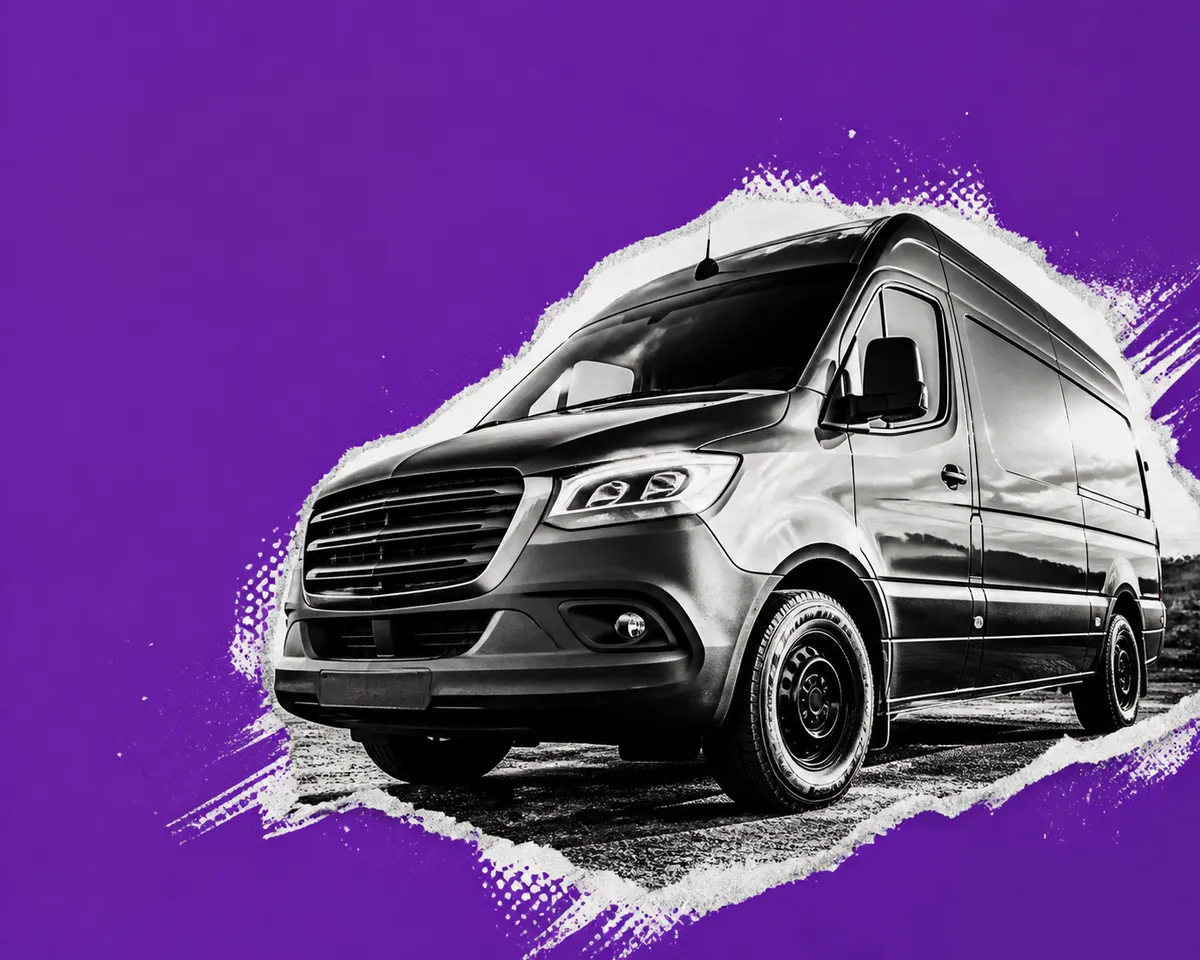
Getting Your Next Van on the Road
A panel van is often the single most important tool a business owns. It carries the stock, the tools, the deliveries and, in many cases, the reputation of the person driving it. The trouble is that vans are expensive, and paying for one outright can leave a big hole in your cash flow.
Panel van finance is simply a way of spreading that cost over time. This guide walks through how it works, what it usually costs, and what to think about before you sign anything.
Is This Guide Right for You?
This is written for anyone in the UK looking at a panel van, whether you are a sole trader buying your first Transit, a growing business adding a second vehicle, or a private buyer wanting a van for camper conversion or personal use. No prior knowledge of finance is assumed.
What Panel Van Finance Actually Means
Panel van finance is an umbrella term for the different agreements that let you pay for a van in monthly instalments rather than all at once. A lender pays the dealer or seller, and you repay the lender over an agreed term, usually with interest on top.
The most common routes are hire purchase, where you pay a deposit and fixed monthly payments until the van is yours; finance lease and contract hire, where you rent the van for a set period and hand it back at the end; and unsecured business or personal loans, where you borrow the money and buy the van yourself.
Agreements typically run between two and five years. Deposits often sit somewhere between nothing and 20% of the purchase price, and the total amount you repay depends on the interest rate, the term length and how much you put down at the start.
The right agreement depends less on the van and more on what you want to happen at the end of it.
How the Process Works From Start to Finish
Most people begin by working out a realistic monthly budget, then choosing a van that fits it, rather than the other way round. Once you have a rough figure in mind, you can approach a lender, a broker or the dealer's own finance arm.
You will usually be asked for proof of identity and address, details of your income or business trading history, bank statements, and confirmation of the vehicle you want to buy. Lenders then run a credit check to assess affordability and set a rate. Many brokers can carry out a soft search first, which gives you an indication without leaving a mark on your credit file.
If you are approved, you will receive a pre-contract information document and the agreement itself. Read the APR, the total amount payable, the term, and any balloon payment or mileage limits before signing. Once signed, funds are released to the seller, and your first payment is normally collected around a month later. Under UK rules you also have a 14-day right to withdraw from most regulated agreements.
Why Businesses Choose to Spread the Cost
The main appeal is cash flow. A van that costs £30,000 outright might cost a few hundred pounds a month on finance, leaving your working capital available for stock, wages, materials and the quiet months that every business has.
There is also the matter of getting the right van rather than the affordable one. Finance often makes a newer, more reliable, better-warranted vehicle accessible, which can mean fewer breakdowns, lower repair bills and less downtime. For a trade business, a van off the road is lost income.
Fixed monthly payments make budgeting simpler because you know exactly what leaves your account each month. Depending on the agreement type and your circumstances, there can be tax advantages too, as interest and lease rentals may be deductible and VAT may be reclaimable on business use. That is a conversation for your accountant, but it is worth having.
Finally, repaying an agreement on time helps build a credit profile, which can make future borrowing easier and cheaper.
Weighing It Up
| Advantages | Drawbacks |
|---|---|
| Spreads a large cost into manageable monthly payments | You pay more overall than buying outright, because of interest |
| Preserves cash for day-to-day trading | The van may be repossessed if you fall behind on payments |
| Access to newer, more reliable vans with warranty cover | Credit checks apply, and poor credit means higher rates |
| Fixed payments make budgeting predictable | Long-term commitment that can be costly to exit early |
| Possible tax and VAT benefits for business users | Lease agreements may carry mileage and condition charges |
| Helps build a business or personal credit record | You may not own the van at the end, depending on the product |
Points Worth Checking Twice
Look at the APR rather than just the monthly payment. A low monthly figure stretched over a longer term, or one that hides a large balloon payment at the end, can cost significantly more overall. Always find the total amount payable in the paperwork.
Check whether the agreement is regulated. Many business vehicle agreements fall outside Financial Conduct Authority consumer protections, which can affect your rights if something goes wrong. Ask directly if you are unsure.
With lease and contract hire, pay close attention to annual mileage limits and fair wear and tear standards. Excess mileage charges and damage assessments at the end of a term can be an unwelcome surprise, particularly on a working van that has carried ladders and tools for four years.
Other details to confirm include early settlement charges, whether the van will be classed as a commercial vehicle for insurance and tax, whether maintenance is included, and what happens if your circumstances change. Finally, be honest about affordability. Borrowing at the very edge of your budget leaves no room for a quiet quarter.
Other Ways to Fund a Van
- Buying outright with cash - no interest and full ownership from day one, though it ties up capital you may need elsewhere.
- Hire purchase - fixed payments and guaranteed ownership at the end, usually the simplest route for those who want to keep the van long term.
- Finance lease - lower monthly costs with the flexibility to hand the van back, sell it on the lender's behalf or extend the rental.
- Contract hire or van leasing - a fixed monthly rental, often with maintenance included, ideal if you want to change vans every few years.
- Unsecured business loan - borrow the money separately and buy privately, which can widen your choice of seller.
- Personal loan - suitable for private buyers or very small purchase amounts, with no security against the vehicle.
- Short-term van rental - sensible if you only need a van seasonally or for a specific contract.
- Buying a well-maintained used van - lower borrowing needs and slower depreciation, though warranty cover may be shorter.
Common Questions Answered
Can I get panel van finance with bad credit? Often, yes. Some lenders specialise in adverse credit, though you should expect a higher interest rate and possibly a larger deposit. A broker with a wide lender panel can help match your profile to a suitable option.
Do I need to be VAT registered or a limited company? No. Sole traders, partnerships and private individuals can all finance a panel van, although the products available and the documentation required may differ.
How much deposit will I need? Anything from zero to 20% is typical. A larger deposit usually reduces your monthly payment and the total interest you pay.
Will applying damage my credit score? A soft search will not. A full application involves a hard credit search, which is recorded. Avoid making many full applications in a short period.
Can I settle the agreement early? Usually yes. Regulated agreements allow early settlement, and you may receive an interest rebate. Check for settlement fees first.
Do I own the van during the agreement? With hire purchase you become the owner after the final payment. With lease and contract hire the funder retains ownership throughout.
Where Kandoo Fits In
Kandoo is a UK motor finance broker, which means we are not tied to one lender. We take your details once and search a panel of lenders to find the options that genuinely suit your circumstances, using a soft search so your credit file is not affected at the enquiry stage. You will see clear figures, including the APR and total repayable, so you can compare properly and decide in your own time, without pressure.
Important Information
This article is general information only and is not financial, tax or legal advice. Finance is subject to status, affordability checks and lender criteria, and not all agreements are regulated by the Financial Conduct Authority. Rates and terms vary. Your vehicle may be at risk if you do not keep up repayments. Please speak to a qualified adviser or your accountant about your own situation.
Buy now, pay monthly
Buy now, pay monthly