Mortgage Loans: What Is a Mortgage Loan?
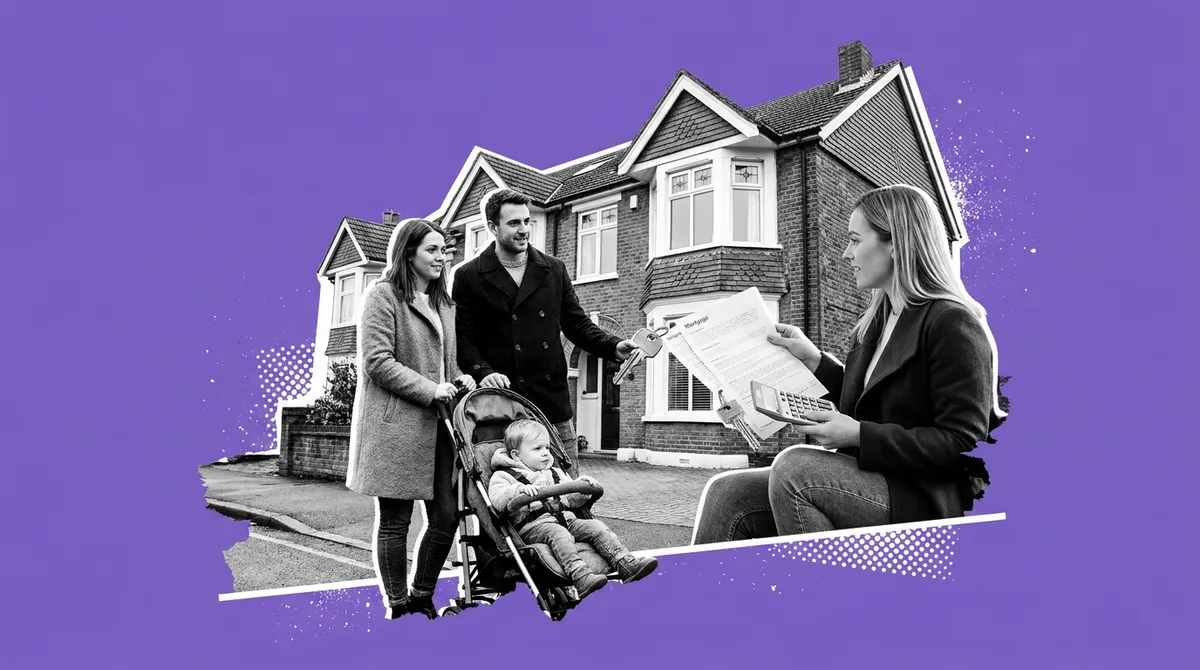
Buying a home is rarely a cash purchase
Very few people have enough savings sitting in the bank to buy a home outright. That is where a mortgage comes in. It is money borrowed from a lender to help you buy a property, paid back gradually over many years.
Mortgages can feel complicated because of the language that surrounds them, but the basic idea is simple. In this guide we explain what a mortgage loan is, how repayments work, what to watch for, and what other options exist - in everyday words, with no assumptions about what you already know.
Who this guide is written for
This is for anyone in the UK who is thinking about buying a home for the first time, moving to a new one, or simply trying to understand what a mortgage actually is before speaking to a lender or broker. It is also useful if you are considering a buy-to-let property, or helping a family member work through their options.
What a mortgage loan really is
A mortgage is a loan used to buy property, where the property itself acts as security for the debt. That security is the part that makes a mortgage different from an everyday personal loan. When you take out a mortgage, the lender registers a legal claim - often called a charge - over the property. If the debt is not repaid, the lender can ultimately seek to sell the property to recover what it is owed.
So a useful way to define it is this: a mortgage is both a loan and a legal claim over property that secures repayment. You may hear it described as a home loan, a secured loan or a charge against property, but all of these point to the same core idea.
In the UK, banks and building societies usually lend the portion of the purchase price you cannot cover yourself. You put down a cash deposit, the lender provides the rest, and you repay that borrowing over an agreed term.
A mortgage is not simply a big loan. It is a loan tied to a specific home.
How the borrowing and repayments work
Most UK mortgages are long-term commitments. A term of around 25 years has long been the standard reference point, though many lenders now offer shorter or considerably longer terms, with 25 to 35 years common in current market practice. You normally repay monthly.
With the most common structure - a repayment mortgage - each monthly payment is split into two parts. Interest is the lender's charge for lending you the money. Capital is the part that reduces the original amount you borrowed. Early in the term, a larger share of each payment typically goes towards interest, which is why the balance can seem to fall slowly at first even though you are paying every month. As the years pass, more of each payment chips away at the capital.
Interest-only mortgages work differently. Your monthly payments cover the interest alone, so the original capital is still owed at the end of the term and must be repaid another way. That structure is far less common for residential buyers and needs a credible repayment plan.
Why mortgages matter so much in the UK
For most households, a mortgage is the bridge between savings and ownership. It covers the part of the purchase price your deposit cannot reach, letting you spread the cost over decades instead of finding the full amount upfront. Without that, home ownership would be out of reach for the vast majority of buyers.
The deposit remains the biggest practical hurdle. Some UK mortgages are available with deposits as low as 5% of the property price, but a larger deposit reduces the amount you borrow and shrinks the loan as a share of the home's value. That usually opens up a wider range of products and can improve the terms available to you.
Mortgages also matter because they are not one-size-fits-all. Buy-to-let mortgages, for properties bought to rent out, are treated as a separate category in the UK, with different affordability, risk and tax considerations. The purpose of the property changes the rules that apply.
Weighing up the benefits and the drawbacks
| Potential benefits | Points of caution |
|---|---|
| Lets you buy a home without paying the full price upfront | Your home is at risk if you cannot keep up repayments |
| Payments are spread over a long term, often around 25 years | Interest paid over decades can add substantially to the total cost |
| Repayment mortgages steadily reduce the debt you owe | Early payments mostly cover interest, so balances fall slowly at first |
| Security over the property can mean different terms from unsecured borrowing | Underwriting and affordability checks are detailed and evidence-heavy |
| A larger deposit can widen your borrowing options | Deposits of 5% or more must be saved before you can buy |
| Different structures and terms let you shape monthly costs | Interest-only leaves the original capital owed at the end of the term |
Things worth checking before you commit
The most important point is also the most serious one. Because the property is security for the debt, a lender can pursue repossession if payments are not maintained. Citizens Advice is clear that a lender cannot simply take your home - it normally has to go to court first. That legal process is one reason mortgage affordability is so heavily regulated and scrutinised in the UK.
With that in mind, look closely at whether the monthly payment is comfortable rather than merely possible, and consider how it would feel if interest rates or your circumstances changed. Check the term length, because a longer term lowers monthly payments but usually increases total interest. Confirm whether the mortgage is repayment or interest-only, and if it is interest-only, be certain how the capital will be repaid.
Also factor in the costs that sit alongside the mortgage: valuation and legal fees, arrangement or product fees, Stamp Duty where it applies, buildings insurance and ongoing maintenance.
Other routes worth considering
- Save for a larger deposit first. Delaying a purchase to build a bigger deposit reduces the amount you borrow and can widen the range of products open to you.
- Explore government-backed and shared ownership schemes. UK schemes exist to help buyers with smaller deposits or lower incomes buy a share of a property, though eligibility rules apply.
- Consider a guarantor or family-assisted arrangement. Some lenders allow family support to strengthen an application, but this creates real obligations for the person helping.
- Keep renting while you prepare. Renting is not a purchase, but it avoids the long-term commitment and repossession risk while you improve your finances or credit profile.
- Look at buy-to-let separately if the goal is investment. Renting out a property is a different proposition with its own mortgage rules, tax treatment and risks.
- Adjust the term or repayment structure. A different term length or repayment type can change monthly affordability, though it also changes total cost.
Common questions answered
Is a mortgage the same as a personal loan? No. A mortgage is a secured loan, meaning it is tied to a specific property that can be sold if the debt is not repaid. A personal loan is usually unsecured and relies on your promise to repay rather than a claim over your home. That difference is why mortgage underwriting, rates and legal terms look so different.
How big a deposit do I need? It varies by lender and product. Some UK mortgages start from deposits of around 5% of the property price, but a larger deposit reduces your borrowing and can improve the options available to you.
How long does a UK mortgage last? Around 25 years has long been the typical reference point, with terms of 25 to 35 years common in today's market. Shorter terms mean higher monthly payments but less interest overall.
Why is my balance falling so slowly? On a repayment mortgage, more of each early payment goes towards interest than capital. This gradually reverses as the term progresses.
Can my home really be repossessed? If repayments are not kept up, a lender can seek repossession, but it normally has to go through the courts first. Speaking to your lender early, and to free debt advice services, is always the better step.
Are buy-to-let mortgages different? Yes. Buy-to-let is treated as a distinct mortgage category in the UK, with its own affordability assessments, risk profile and tax considerations.
Where Kandoo fits in
Kandoo is a UK finance broker, which means our role is to help you understand your options clearly rather than push you towards a product. We can talk you through the language you will encounter, explain how different repayment structures and terms affect what you pay, and help you work out what is realistically affordable before you apply. No pressure, no jargon - just straightforward help so you can make a decision you feel confident about.
Important information
This article is general information about UK mortgages and is not personal financial advice. Mortgage availability, deposit requirements and terms vary between lenders and depend on your individual circumstances. Your home may be repossessed if you do not keep up repayments on your mortgage. Always seek regulated mortgage advice, and consider free impartial guidance from MoneyHelper or Citizens Advice, before making a decision.
Buy now, pay monthly
Buy now, pay monthly