Luton Van Finance: How It Works, Costs and Options
Thinking About a Luton Van? Start Here
A Luton van is a big purchase, and most people don't pay for one outright. Finance simply lets you spread the cost over months or years instead of finding the full amount up front.
There are a few different ways to do that, and they don't all work the same way. Some end with you owning the van, others don't. This guide walks through the options in plain English, so you can work out which one genuinely suits how you plan to use the vehicle.
Who Tends to Look at This Kind of Funding
This guide is for anyone in the UK considering a Luton van, whether you're a removals firm, a courier, a furniture retailer, a sole trader tradesperson, or someone growing a small delivery business. It's also useful if you're a private buyer who needs the space and wants to understand the costs before committing.
What Luton Van Finance Actually Means
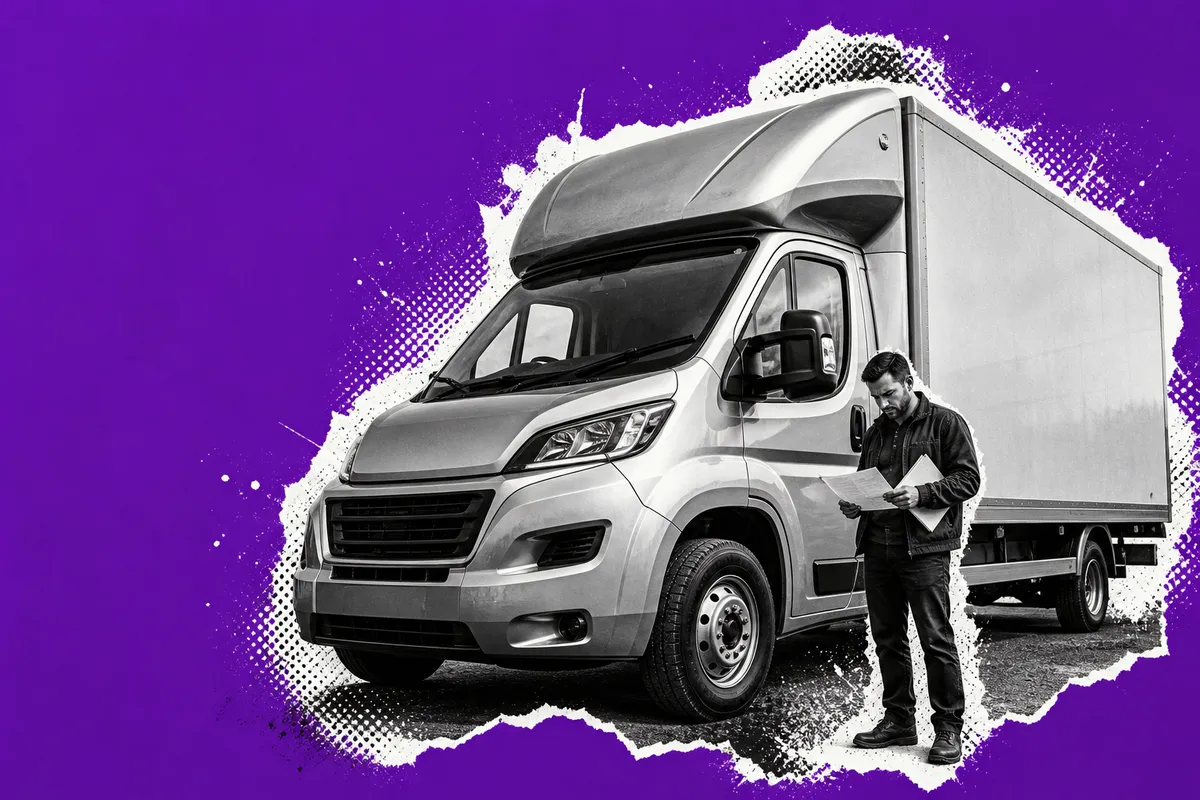
A Luton van is a box-bodied vehicle built on a chassis cab, with that distinctive storage section extending over the driver's cab. It offers a large, square load area, often with a tail lift, which makes it popular for removals and bulky deliveries. Because of the conversion work involved, Luton vans usually cost more than a standard panel van of similar weight.
Luton van finance is simply an agreement that lets you use the vehicle now and pay for it over an agreed term. In practice, that usually means one of the following:
- Hire purchase (HP) - fixed monthly payments, and the van is yours once the final payment clears.
- Lease purchase - similar to HP, but with a large final "balloon" payment that lowers your monthly cost.
- Finance lease - you rent the van, with rentals based on its value, and there's usually a final payment or resale arrangement.
- Contract hire (leasing) - fixed monthly rentals for an agreed term and mileage, then you hand the van back.
- Unsecured business or personal loan - you borrow the money and buy the van outright yourself.
The right choice depends on whether ownership matters to you, how the van will be used, and how you want the cost to appear in your accounts.
How the Process Usually Works
Most agreements follow a similar path. You choose the van and the type of finance, then a lender assesses whether the monthly payments look affordable and sustainable for you or your business. That check normally involves your credit file, and for business applications it may also involve accounts, bank statements or details of how long you've been trading.
You'll usually be asked for a deposit, often around 10% of the price, although some agreements start from nothing down and others ask for more. The remaining balance, plus interest, is split across a term that typically runs from 24 to 60 months. On leasing and finance lease agreements, you may pay VAT on the monthly rentals rather than on the full purchase price up front, which can help cash flow.
Once approved, you'll receive a pre-contract document setting out the total amount payable, the APR or rental figures, the term, and any end-of-agreement costs. Read it carefully before signing. If you're buying from a dealer, funds usually go directly to them, and the van is released once everything is in place.
Always compare the total amount payable, not just the monthly figure. Two similar payments can hide very different overall costs.
Why People Choose to Spread the Cost
The most obvious reason is cash flow. A used Luton van can run into five figures, and a new one considerably more. Paying monthly means you keep working capital available for fuel, insurance, staff, stock or unexpected repairs rather than tying it all up in one vehicle.
There's also a practical timing argument. If a van will start earning from day one, spreading the cost lets the vehicle contribute to its own repayments rather than requiring you to save for months first. For growing businesses, that can be the difference between taking on more work now or turning it down.
Fixed monthly payments make budgeting simpler too, because you know exactly what leaves your account each month. Some businesses prefer leasing because it removes the risk of the van losing more value than expected, and often bundles in maintenance. Others prefer hire purchase because they intend to keep the van for many years and want to own an asset at the end.
There may also be tax considerations, such as how rentals or interest are treated. That varies by structure and circumstance, so it's worth a quick word with your accountant.
Weighing Up the Benefits and Drawbacks
| Pros | Cons |
|---|---|
| Spreads a large cost into manageable monthly payments | You'll usually pay more overall than buying with cash |
| Keeps working capital free for day-to-day running costs | The van may be at risk if you fall behind on payments |
| Fixed payments make budgeting predictable | Early settlement or exiting a lease can carry charges |
| Hire purchase leads to outright ownership | Leasing means no ownership and possible excess mileage fees |
| Leasing can include maintenance and reduce resale risk | Damage beyond fair wear and tear can trigger end-of-term costs |
| VAT may be spread across rentals on some agreements | Approval and rates depend on credit history and trading record |
Details Worth Checking Before You Sign
Start with the total amount payable and the APR, not the headline monthly figure. A longer term will lower monthly payments but usually increases the overall cost. If your agreement includes a balloon payment, be clear on how much it is and how you'll fund it, whether by selling the van, refinancing, or paying it off.
On leasing and contract hire, check the mileage allowance and the excess mileage rate. Luton vans used for removals often cover more miles than expected, and those charges add up. Also read the fair wear and tear standards, as box bodies and tail lifts can pick up scuffs quickly in commercial use.
Confirm what's included and what isn't. Insurance, road tax, servicing, MOT, tail lift inspections and tyres may all sit with you. If you're buying used, check the conversion's condition and the tail lift's service history, because repairs can be costly.
Finally, make sure the lender is authorised by the Financial Conduct Authority, and be aware that business agreements often carry fewer consumer protections than regulated personal ones.
Other Ways to Get the Van You Need
- Pay cash outright - no interest and no agreement to manage, though it uses up reserves you might need elsewhere.
- Unsecured business loan - borrow the funds, buy the van in your own name, and keep the vehicle free of finance from day one.
- Contract hire or van leasing - fixed rentals, often with maintenance included, and you simply return the van at the end.
- Short-term or flexible van rental - useful for seasonal peaks or if you're unsure how long you'll need the vehicle.
- Refinance an existing asset - release funds from a van or machinery you already own to help fund the new purchase.
- Buy a used Luton and finance a smaller amount - lower borrowing, lower monthly cost, though potentially higher maintenance.
- Chassis cab plus separate conversion - occasionally cheaper, but check whether both elements can be financed together.
Common Questions Answered
Can I get Luton van finance with bad credit? It's often possible, though the range of lenders may be narrower and rates higher. A larger deposit or a shorter term can help. Only apply for what you can comfortably afford.
Do I need to be VAT registered or a limited company? No. Sole traders, partnerships and limited companies can all apply, and private individuals can finance a Luton van too. Some products, such as finance lease, are aimed at businesses.
How long can the agreement run? Typically 24 to 60 months, sometimes longer on higher-value new vehicles. Longer terms mean lower monthly payments but more interest overall.
Will I own the van at the end? With hire purchase, yes, once all payments including any option-to-purchase fee are made. With contract hire, no. Lease purchase and finance lease sit in between, so check the specific terms.
Can I settle early? Usually yes. Ask your lender for a settlement figure. Some agreements allow interest savings, others include early termination charges.
Does mileage matter? On leasing agreements, very much so. On hire purchase it affects resale value rather than contractual charges.
Where Kandoo Fits In
Kandoo is a UK motor finance broker, which means we're not tied to a single lender. We look at your circumstances, then search our panel to find agreements that realistically fit your budget and how you plan to use the van. We'll explain the differences between hire purchase, leasing and loans in plain terms, show you the total cost rather than just the monthly figure, and leave the decision entirely with you. No pressure, no jargon.
Important Information
This article is general information only and is not financial advice or a recommendation of any particular product. Finance is subject to status, affordability checks and lender criteria, and rates vary by individual circumstances. Terms differ between agreements, so always read your documentation in full. Business agreements may not carry the same protections as regulated consumer credit. For tax treatment, speak to a qualified accountant. Kandoo is authorised and regulated by the Financial Conduct Authority.
Buy now, pay monthly
Buy now, pay monthly