How to Compare a Cheaper Older Car With a Newer Car on Finance
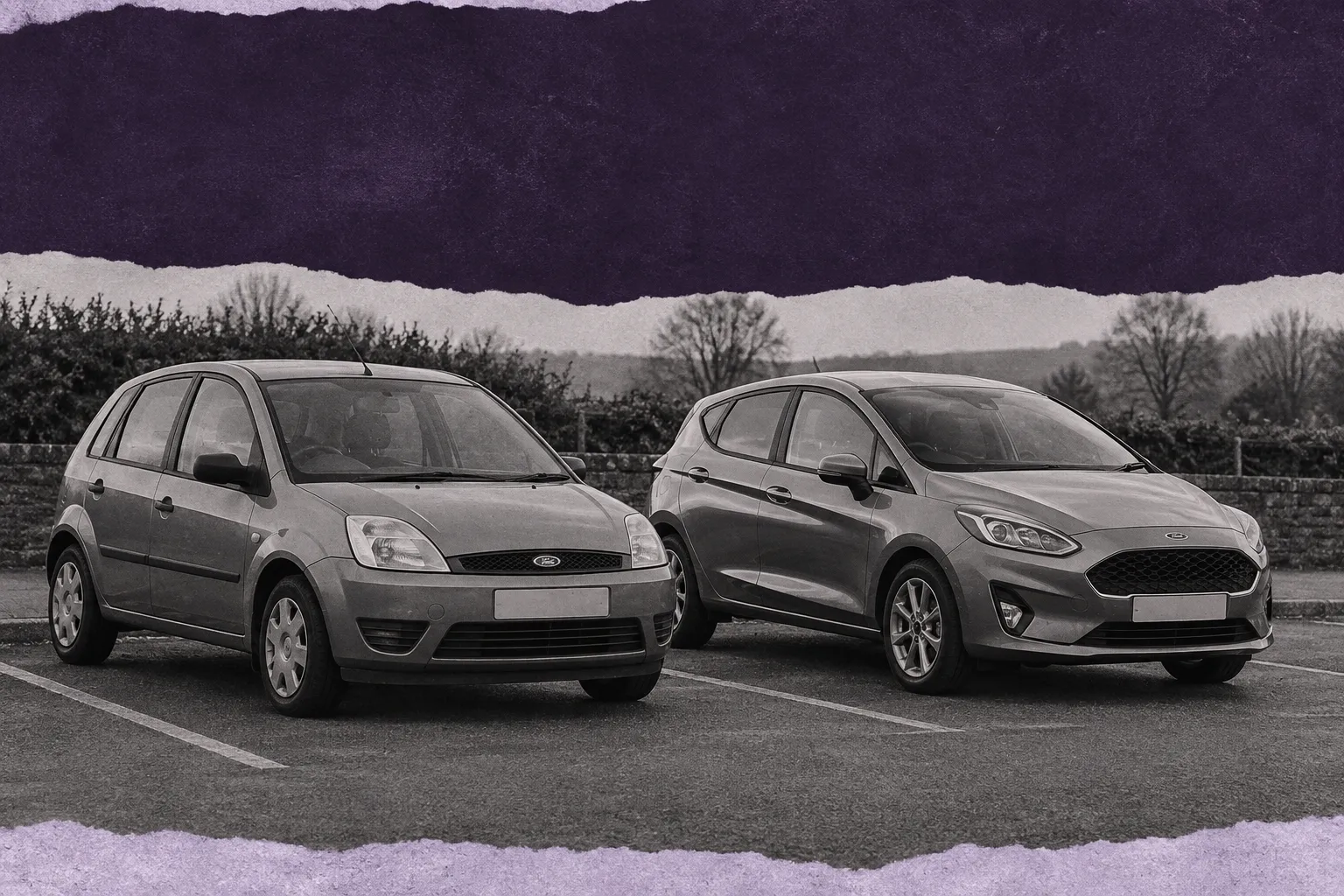
Compare an older cash purchase with a newer financed car over the same period. Include repairs, interest and the value left at the end without counting costs twice.
An older car bought for cash can cost less overall but require more money today. A newer financed car can be easier to buy this month but leave you committed to repayments for years. You need both comparisons before deciding.
Start with two actual cars that meet the same needs and a realistic period of ownership. Comparing a cheap small hatchback with a larger, better-equipped SUV will otherwise mix the cost of buying newer with the cost of buying more car.
Set the Same Job and Ownership Period
Decide how long you realistically expect to keep the car: perhaps three years, or the full finance term. Apply the same mileage and use to each option.
Write down essential requirements first: seats, luggage, access, journey pattern and any local charge-zone needs. Do not spend time calculating a cheap option that cannot carry your family or handle your normal route.
The Three-Year Ownership Comparison
For the cash-flow comparison, list the upfront payment and everything due each month. For the ownership-cost comparison, allow for the value you will still have in the car at the end.
Ownership cost looks at what the car costs you over the period after allowing for its remaining value. A useful simplified formula is purchase price minus resale value, plus finance charges and running costs.
Do not add all loan repayments and depreciation together without adjustment. Repayments include paying for the car itself, and depreciation is the loss in that asset's value. Adding both in full can count the purchase twice.
The following is illustrative, not a prediction of prices, repairs or resale values. Both cars are assumed to be sold after three years; the finance charges shown are the costs attributable to that comparison period.
Three-Year Cost
- Purchase price. Older Car: £6,000. Newer Car: £15,000.
- Estimated resale value. Older Car: £3,000. Newer Car: £9,000.
- Loss in value. Older Car: £3,000. Newer Car: £6,000.
- Finance charges. Older Car: £0. Newer Car: £2,000.
- Insurance, tax and energy. Older Car: £6,000. Newer Car: £5,400.
- Servicing, tyres and repairs. Older Car: £2,400. Newer Car: £1,200.
- Total ownership cost. Older Car: £11,400. Newer Car: £14,600.
The older car is £3,200 cheaper on these assumptions, despite having twice the maintenance and repair allowance. That does not prove it will be cheaper in practice. It shows which assumptions need checking.
If a financed car still has debt at the comparison date, obtain or estimate the appropriate settlement position carefully. The money left after selling is its sale price minus settlement, not its entire sale price. Compare that cash result alongside the ownership calculation.
How Credible Is the Repair Allowance?
Ask a garage what the older car needs now and what scheduled work is approaching. Service history, condition and the specific engine or gearbox matter more than a simple age rule.
A pre-purchase inspection can help identify concerns, but cannot guarantee future reliability. A recent MOT is a useful record of the tested items at the time; it is not a comprehensive mechanical warranty.
Check the newer car just as carefully. A warranty may exclude wear, routine servicing or pre-existing issues, and there may be mileage and maintenance conditions. Obtain the actual terms rather than assuming all repair risk has disappeared.
The guides to used-car reliability and buying used provide background. Your chosen example still needs its own assessment.
Replace Generic Running Costs With Your Quotes
Get insurance quotes for both registrations. Check tax using the official vehicle information and estimate fuel or charging for your routes. A newer car can cost less in energy but more in insurance or tyres.
Include any change in parking, local charges, servicing requirements or charging equipment. If you drive very little, a large saving per mile may not recover a substantially higher purchase price.
For an electric option, use the charging prices you can actually access. For an older diesel, check the exact vehicle against any clean-air scheme you use rather than relying on its age alone.
Can You Afford the Timing as Well as the Total?
The older car's lower total may still require more cash immediately. Keep a repair reserve after buying it. Spending every available pound on the car can make the first service or breakdown difficult to manage.
For the newer car, read the complete finance cost, including term, fees and any final payment. Consider how the monthly obligation would feel after a drop in income. A longer agreement can lower instalments while keeping you committed for more years.
Repeat the comparison with lower resale values and higher repair bills. You do not need to predict every fault; you need to know which option becomes difficult if the assumptions disappoint.
If one unexpected repair would make the cash-bought option unmanageable, or a weaker income month would make the instalment unaffordable, revisit the purchase budget. A lower estimated total does not remove the need to pay bills when they fall due.
Buy now, pay monthly
Buy now, pay monthly