How to Challenge PCP Damage Charges
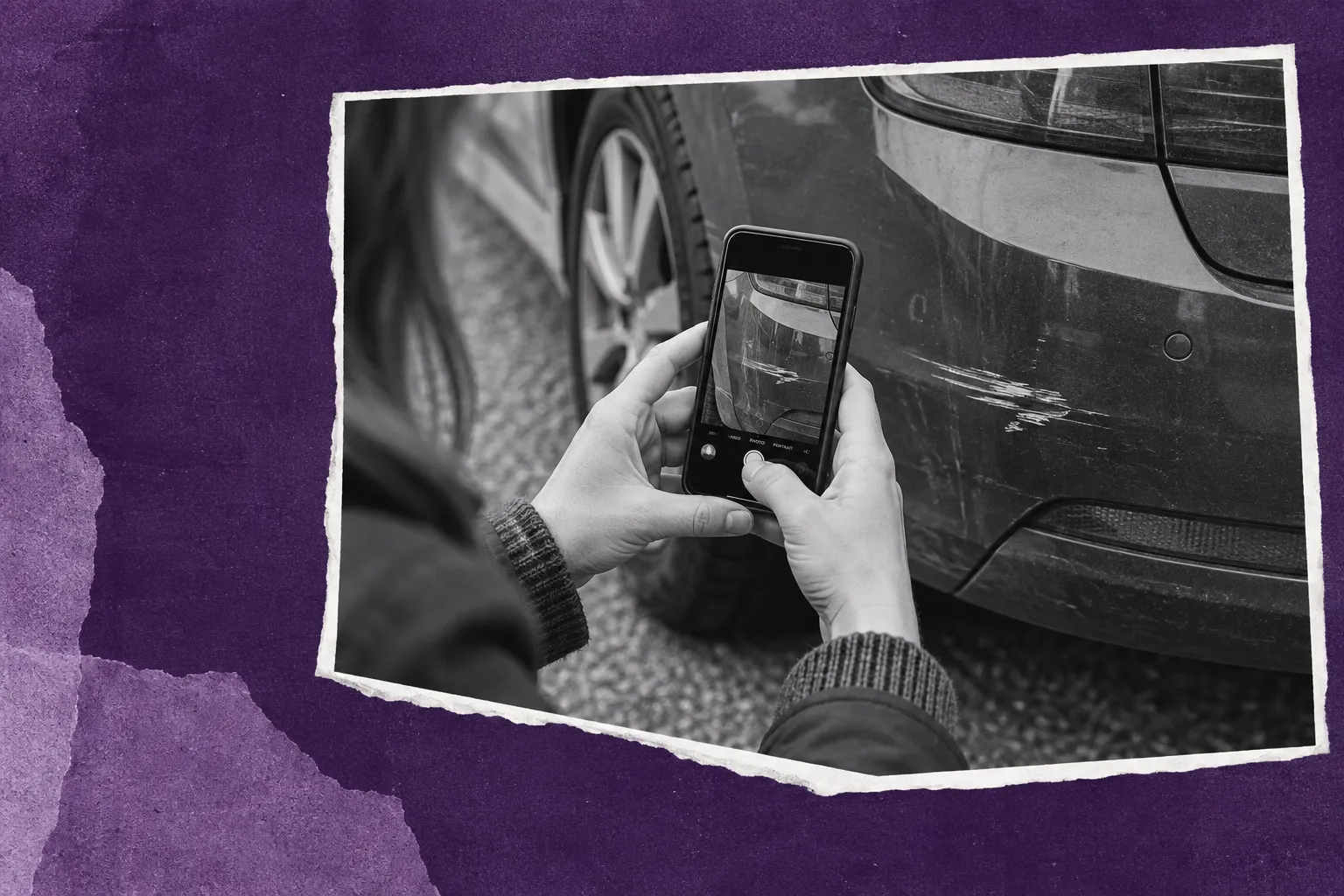
Challenge a PCP return bill with a clear comparison of the inspection evidence, the agreement and the condition standard that actually applies.
A PCP return bill is easier to challenge when you separate the items. A wheel charge you dispute, a missing key you accept and a paint mark you believe is fair wear each need a different response. Start with the report and photographs, then match your evidence to each amount.
You can dispute damage that was not present at return, falls within the applicable condition standard or has been charged incorrectly. The disagreement does not automatically cancel the bill: record the complaint and payment deadlines, and ask how the disputed amount will be handled during review.
Establish which return rules apply
Start by confirming whether you made a normal end-of-term return, exercised statutory voluntary termination or agreed another form of early return. The applicable obligations and calculations can differ.
If you part-exchanged, establish whether the dealer bought the car and settled the finance or arranged a contractual return to the lender. A reduced dealer valuation is not necessarily the same thing as a separate lender damage invoice.
Our guide to finance end options explains those routes. If you used voluntary termination, do not assume that reaching the relevant payment threshold removes every obligation concerning reasonable care of the car.
Get the report, then build your response
Ask the finance company for a complete copy of the report and photographs, including the inspection date, mileage and vehicle registration. Request the collection record and an explanation of any second inspection carried out later at a compound or auction site.
For each item, ask which part of the agreement or condition guide supports the charge. Obtain the guide version applicable to your contract and the charge schedule used. If the business refers to BVRLA standards, ask it to identify the relevant requirement rather than accepting the name as a complete explanation.
BVRLA publishes industry guidance, but it does not carry out every vehicle inspection or decide every customer's invoice. Your lender or its agent applies the agreement. There is no single universal price for every scratch across all finance providers.
A simple dispute schedule
Billed item
- Wheel damage. Your position: Not visible when the car was collected. Evidence to attach: Dated handover photographs showing the relevant wheel.
- Paint mark. Your position: Falls within the applicable wear allowance. Evidence to attach: Clear close-up, wider panel photo and the relevant condition-guide provision.
- Missing key. Your position: Accepted, if the charge and requirement are correct. Evidence to attach: Identify it separately from the disputed items.
These are examples of how to organise a response, not assumptions that the items will be removed. For each row add the actual amount and your supporting file name.
Photographs should show both the whole panel and the close-up area. A measurement reference can help where size matters, but only if the image is clear and genuinely relates to the car at the relevant time. Do not edit a photograph in a way that conceals damage or changes its apparent size.
Test the condition standard and the amount separately
Does the mark exceed fair wear?
A returned used car is not expected to look brand new, but reasonable wear has limits. The standard can distinguish a light surface mark from a deep scratch, cracked trim or missing equipment. Its treatment can depend on the type, position, number and severity of marks, rather than one measurement alone.
Read the complete relevant section before quoting a tolerance. An acceptable mark on one part of a wheel or panel does not necessarily make the same damage acceptable elsewhere. Avoid relying on an internet checklist that is for a different vehicle type or guide version.
If the car already had damage when supplied, use the initial condition report, advert photographs or written acknowledgement. A later return invoice should be considered alongside evidence of its starting condition, rather than assuming every mark arose during your use.
Does the charge follow the agreement?
Ask how the charge was calculated and whether it includes a repair estimate, a published tariff or an assessed loss. Check for duplicated items, incorrect VAT treatment or charges for equipment that was not supplied and not required under the contract.
A cheaper local repair quote may be relevant evidence, but it does not automatically set the lender's maximum recoverable amount. Equally, asking for a breakdown is reasonable. Do not assume the absence of an actual completed repair invoice proves that no contractual charge can be made.
If collection was delayed or damage was recorded after the car left you, provide your handover evidence and ask for the movement and inspection timeline. A later inspection alone does not prove the damage occurred after collection, so explain the specific inconsistency you have identified.
Make a formal complaint and track the response
Write to the finance company, include the agreement number and explain the outcome you want. Attach the relevant evidence in a manageable order. Ask for the disputed items to be corrected or removed and for any consequential account reporting to be addressed where appropriate.
The Financial Ombudsman considers car-finance damage disputes using the agreement, applicable standards, evidence and what is fair in the circumstances. Ordinarily, you can approach it after a final response you disagree with or after the business has had eight weeks to respond. Check the final-response referral deadline, usually six months.
Continue other agreed payments unless the lender confirms a different arrangement. Ask what happens to collection activity, interest or credit reporting while the specific charge is disputed, and retain the answer.
If the lender changes the bill, request the revised invoice and account balance. Read any settlement wording to establish whether it resolves all matters or only the listed items, and retain the written outcome with your collection record.
Buy now, pay monthly
Buy now, pay monthly