How to Challenge a Low Car Insurance Write-Off Valuation
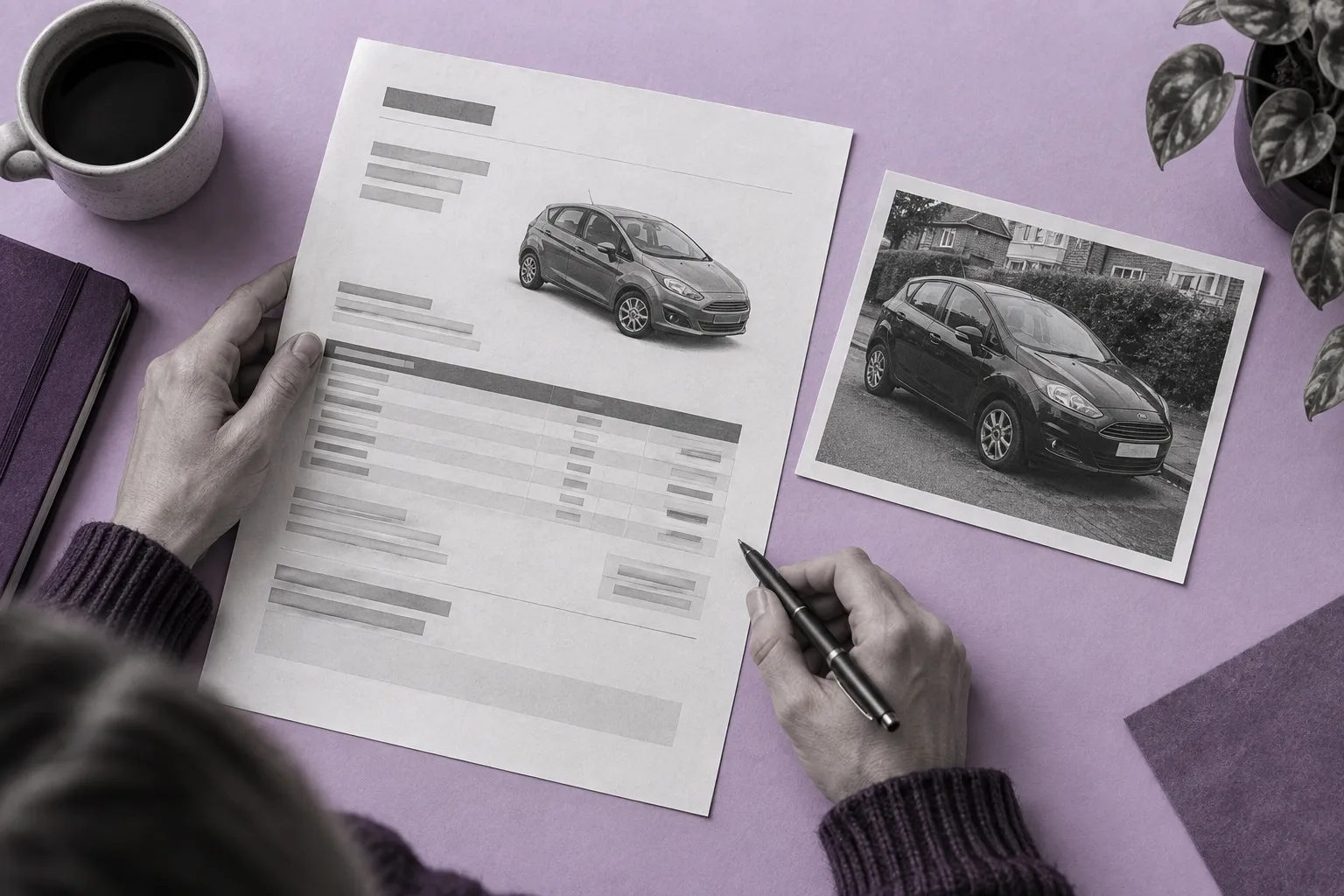
A write-off offer should reflect the car and policy you actually had. Build a focused challenge using the correct specification, comparable cars and a clear breakdown of deductions.
A low write-off payment can mean two different things: the insurer has undervalued the car, or deductions have reduced the money you receive. Establish which is happening before challenging the offer.
For a standard market-value policy, the argument is about what the car was worth immediately before the loss. The amount left on your finance agreement or the cost of a newer replacement does not establish that value.
Separate valuation from the final payment
Request the gross valuation before the excess and other deductions. Ask which valuation guides or other evidence the insurer used, the incident date applied and the vehicle details entered.
Then ask for every deduction to be itemised. Depending on the claim, the final payment may reflect an excess, finance settlement or a salvage deduction if you keep the damaged car. A difference between the headline value and the money reaching your account does not necessarily mean the valuation itself is wrong.
For example, an illustrative £9,000 valuation with a £400 excess produces £8,600 before any other adjustment. If the insurer pays £6,000 directly to a finance company, the remaining £2,600 is not the insurer saying your car was only worth that amount.
Check the basis promised by your policy
An agreed-value policy or a new-car replacement provision may change the basis of the claim. Read the schedule and relevant policy wording instead of assuming every insurer must use the same market-value approach.
The estimate you entered when buying ordinary insurance is not necessarily an agreed settlement value. If you believe a particular promise applies, identify the clause and explain how your circumstances meet its conditions.
Build the evidence that supports a higher figure
The insurer must be valuing the right car
Small input errors can create an unhelpful comparison. Match the valuation to the registration, make, model, trim, engine, gearbox, fuel type, age and mileage at the date of loss.
Send evidence where the record is wrong: purchase invoice, service documents, photographs or the original vehicle specification. If the car had optional equipment, identify it precisely. Do not assume the original cost of an option or modification adds the same amount to the used-car value.
Be equally accurate about previous damage and vehicle history. Our guide to checking write-off status explains why an earlier insurance category can matter when comparing vehicles.
Use genuinely comparable cars
Look for cars genuinely close to yours. Three well-matched examples are more persuasive than a long list of newer, lower-mileage cars in higher trims. Save the full advert with its date, price, seller and specification, because listings disappear.
Use a simple comparison sheet:
Detail
- Age and model generation. Your Car: Record the exact version. Advertised Car: Identify any difference.
- Trim and powertrain. Your Car: Include gearbox and engine. Advertised Car: Avoid a higher specification unless explained.
- Mileage. Your Car: Reading at the loss date. Advertised Car: Show the difference openly.
- Condition and history. Your Car: Evidence of pre-loss condition. Advertised Car: Note write-off history or missing information.
Advertising prices are evidence, not a promise that every car sells for the asking price. Explain why your examples reflect the market at the time of your loss. For a rare or specialist car, an independent expert's view may be more useful than stretching comparisons with ordinary models.
Answer condition deductions with records
If the insurer has reduced the value for pre-existing damage, ask for the engineer's findings and photographs. Identify whether the alleged damage existed before the incident, how serious it was and whether it would materially affect the car's value.
Recent dated photographs, inspection reports and service records can help. A receipt for new tyres or servicing does not automatically increase the settlement pound for pound, but it may challenge an assumption that the car was poorly maintained.
Keep the disagreement proportionate. Pointing out that a photograph shows accident damage rather than an old defect is a clearer argument than claiming an older car should be valued as immaculate without evidence.
Send a focused challenge
A concise challenge can follow this structure:
- The offer: state the gross valuation and identify the disputed deduction, if any.
- The error: explain a wrong trim, mileage, condition assumption or comparison.
- The evidence: attach the relevant records and explain why the comparable cars are a fair match.
- The requested review: state the figure your evidence supports and ask for a written recalculation.
An unexplained folder of expensive adverts leaves the insurer to guess your argument. Point it to the specific evidence that changes the valuation.
If you need access to an undisputed payment while challenging the balance, ask whether accepting it will be treated as full and final settlement. Get the answer in writing before agreeing.
Use the insurer's formal complaints process if the dispute remains unresolved. Its final response should explain the next steps and any right to refer the matter to the Financial Ombudsman Service. Check the referral deadline in that letter and the Ombudsman's current guidance.
If finance remains outstanding, obtain the lender's current settlement figure and maintain payments unless another arrangement is agreed. Existing GAP cover may address a shortfall under its own terms; that is separate from correcting an undervaluation.
Buy now, pay monthly
Buy now, pay monthly