How to Accept Payment Safely When Selling a Car
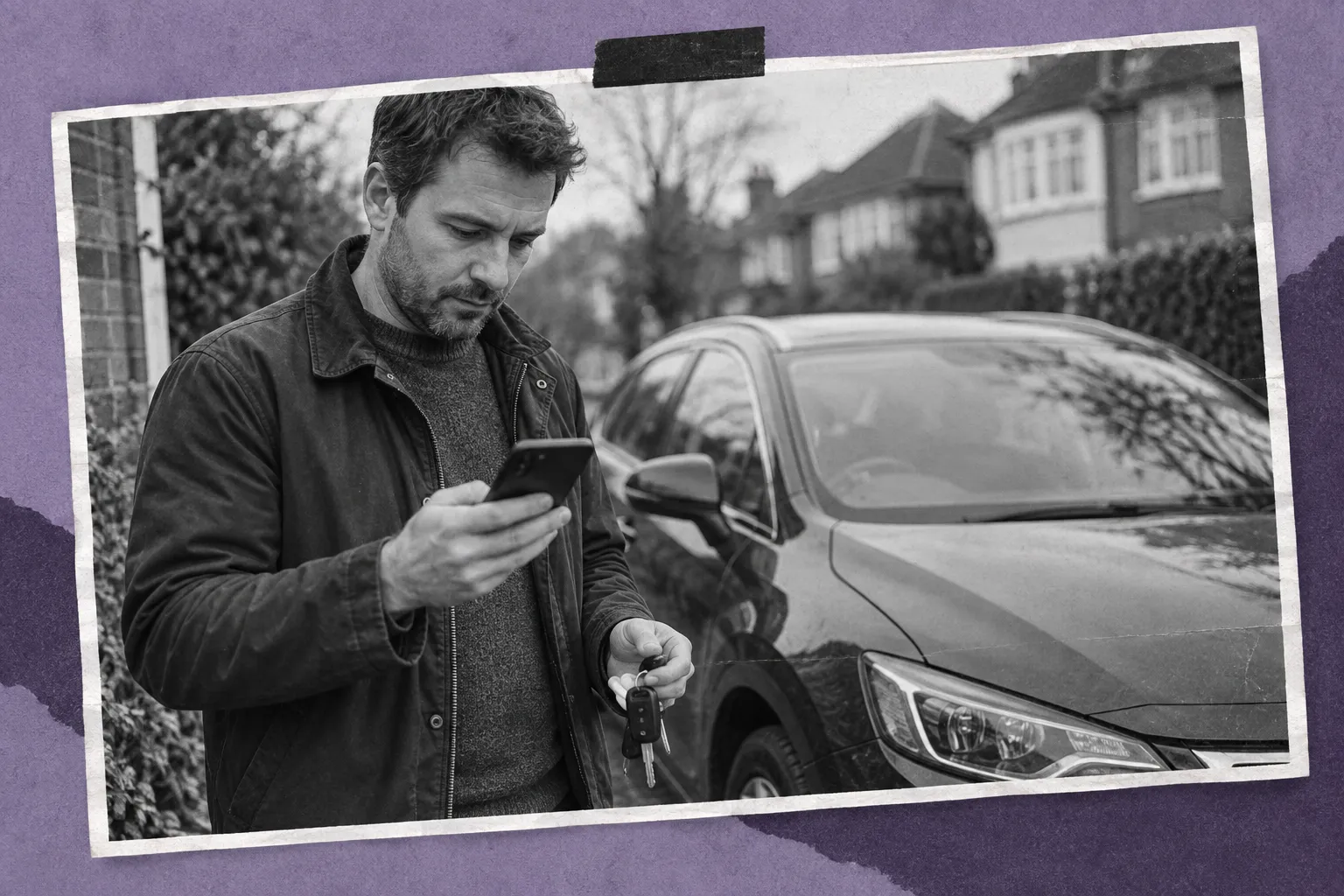
Agree the payment method before collection, verify the money through your own bank and keep a clear record of the sale and handover.
The buyer is beside the car, shows a payment confirmation and wants the keys. That is the moment to open your own banking app, independently, and verify the payment yourself. A screenshot, email or “pending” message on their device is not proof that you have been paid.
Bank transfer can work well for a private sale, but no method removes every risk. Agree the arrangement before collection so you are not making a rushed decision with the buyer waiting.
1. Set the payment arrangements before the viewing
Confirm the sale price, deposit already paid, outstanding balance and intended payment method. Ask the buyer to check their bank's transfer limit and any authorisation requirements beforehand. This avoids discovering at handover that a daily limit is lower than the price of the car.
Choose a sensible time and place, with another adult present if possible. A daytime appointment can make it easier to contact a bank or deal with a delayed transfer. Do not let a buyer's long journey or urgent deadline force you to hand over the car before the payment is resolved.
If finance is outstanding, contact the lender first. You need an agreed settlement route and authority to sell where the lender owns the car. Our guide to selling a financed car covers that extra step.
2. Verify the transfer through your bank
Give the buyer only the account details needed to pay you. They do not need your online banking password, card PIN, card security code or a one-time login code. A request to approve a payment out of your account is not part of receiving the sale price.
Open your own bank app independently or contact the bank through a known number. Check the incoming amount and transaction details. If it is missing, pending or unexpected, pause and ask the bank what that status means before releasing the car.
Do not follow a link in a message claiming to verify the payment. A fraudster can create convincing bank screens and emails. Our guide to avoiding car scams explains other warning signs around vehicle sales.
Seeing money in an account is an important check, but it is not a guarantee against all fraud. Payments involving stolen accounts or disputed funds can create problems later. Keep clear sale records and query an unexplained payment from somebody other than the agreed buyer.
Stop if the buyer sends too much
Be cautious if a buyer sends more than the price and asks you to refund the difference, pay a courier or forward money to another person. The original payment may be fraudulent or unreliable while your outgoing transfer uses your own funds.
For example, if the agreed balance is £6,000 and someone claims to have sent £7,000, do not send £1,000 to an alternative account on their instructions. Contact your bank, explain the unexpected payment and ask it to handle the matter appropriately.
The same caution applies to claims that an escrow service needs you to pay an activation fee before releasing the buyer's money. Independently verify any service and its terms. Do not rely on a website, telephone number or helpdesk supplied only by the person buying the car.
If you have agreed cash, a cheque or a bank draft
Cash brings the risk of counterfeit notes, counting mistakes and carrying a large amount. If accepting it, arrange the exchange at your bank where feasible so it can be checked and paid in. Ask the branch beforehand what it can accommodate and what identification or information it needs.
A cheque or bank draft should not be treated as cash in your hand. It can be forged, stolen or otherwise problematic. Ask your bank when funds can be relied upon and do not release the vehicle merely because a deposit initially appears on a screen.
If you do not understand a proposed method, use a different one or postpone the handover. The buyer should have a fair opportunity to check the vehicle, but that does not require you to accept an unfamiliar payment arrangement.
3. Record the sale and release the car in order
Prepare two copies of a receipt before the buyer arrives. Record:
- Vehicle registration, VIN, make, model and mileage.
- Agreed price, deposit, remaining balance and payment method.
- Both parties’ names and contact details.
- The date and time of handover, and any items to follow later.
Describe known issues honestly and retain a copy of the advert and relevant messages. Do not use a receipt to contradict promises made during the sale. A private sale still has legal obligations; a phrase such as sold as seen is not permission to misdescribe the car.
If payment is split because the lender is being settled directly, itemise who received each amount and obtain the lender confirmation required by your arrangement. Do not mark the total paid until the agreed payments have actually been verified.
Once the agreed payments are verified
Once payment and any finance settlement are confirmed, complete the DVLA notification and give the buyer the correct new keeper document. Keep DVLA's confirmation. Remove the car from parking, toll or automatic-payment accounts that might otherwise charge you after the sale.
Take your belongings out and clear saved addresses, paired phones and personal accounts from the infotainment system. Hand over the agreed keys, service documents and accessories, recording anything due to follow later.
If something feels wrong before completion, stop. If you believe a fraudulent payment or transfer has already occurred, contact your bank immediately through its official channel and report the incident through the appropriate fraud-reporting route. Preserve messages and transaction details so the bank can investigate what happened.
Buy now, pay monthly
Buy now, pay monthly