Electric Car Finance: What Is Electric Car Finance?
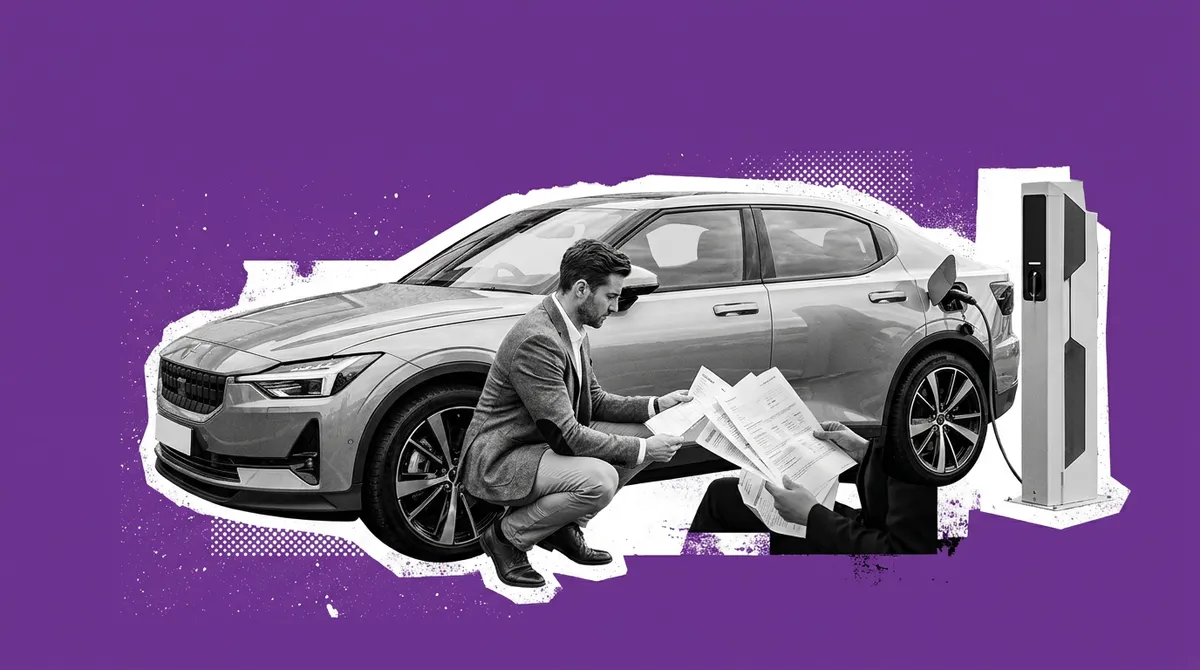
Thinking About Going Electric?
Switching to an electric car is a big decision, and paying for one can feel like a whole separate puzzle. The good news is that electric car finance is not as complicated or as different as it sounds. In most cases, you are simply using the same familiar finance products people use for petrol and diesel cars, applied to an electric vehicle instead. This guide walks through how it works, what it costs and what to weigh up before you sign anything.
Who This Guide Is Written For
This is for UK drivers considering their first electric car, or anyone comparing a new EV against a used one. It will be useful if you are weighing up monthly affordability, wondering whether ownership matters to you, or simply trying to work out where government grants and dealer offers actually fit in.
What Electric Car Finance Actually Means
Electric car finance is not a separate category of lending. It is the standard set of UK car finance products - Personal Contract Purchase (PCP), Hire Purchase (HP), leasing and personal loans - used to buy or use an electric vehicle. Providers such as Experian and HSBC explain the differences simply: HP spreads the cost and you own the car once the final payment clears; PCP has lower monthly payments and an optional final (balloon) payment if you want to keep it; leasing means you pay to use the car and hand it back at the end.
What makes EVs slightly different is context, not mechanics. New electric cars have historically carried higher sticker prices - Experian noted an average new EV price of around £50,000 in July 2023 - which is one reason so many buyers reach for monthly payments rather than paying outright. Sitting alongside that, the UK government launched a £650 million Electric Car Grant in July 2025, offering discounts on eligible models.
Same finance products. Different vehicle. A few extra incentives worth knowing about.
How The Process Usually Works
You normally start by deciding whether you want to own the car, use it, or keep your options open. That choice points you towards HP (ownership), PCP (flexibility) or leasing (use only). From there, you agree a deposit, a term length - often two to five years - and an annual mileage limit if you choose PCP or leasing.
Most applications now begin online. UK brokers such as Zuto say applicants can receive an indicative decision within seconds following a soft credit check, which does not affect your credit score. Behind the scenes, a broker matches your details against a panel of lenders and returns the deals you are likely to qualify for. The final offer, however, always depends on your credit history, income and each lender's own criteria.
If a government grant applies to the car, the discount is usually applied at the dealership against the vehicle price, which in turn reduces the amount you finance and lowers your monthly payment.
Why So Many EV Buyers Use Finance
The main reason is the upfront price gap. Even with prices falling, many electric models still cost more to buy than an equivalent petrol car, so spreading the cost makes the monthly figure manageable rather than the total feeling out of reach.
There is a second reason that is specific to EVs: uncertainty. Battery technology, charging speeds and model ranges are all moving quickly, and resale values are still settling. PCP and leasing both let you hand the car back at the end of the term, which shifts a large part of that depreciation risk away from you and onto the lender or leasing company. For some drivers, that peace of mind is worth as much as the monthly saving.
Finally, incentives now stack. Manufacturers including Volkswagen and Renault have advertised grant-backed offers alongside deposit contributions and subsidised APRs, which is why some EV finance deals look unusually sharp compared with conventional cars.
Weighing Up The Trade-Offs
| Advantages | Drawbacks |
|---|---|
| Spreads a higher upfront EV price into predictable monthly payments | You will usually pay more overall than buying with cash |
| PCP and leasing reduce your exposure to uncertain EV resale values | With leasing you build no equity and never own the car |
| Government Electric Car Grant can cut up to £3,750 off eligible models | Grant is first-come, first-served and can be changed or withdrawn |
| Manufacturer offers can be combined with grants for lower headline costs | Deals are often limited to selected models and trim levels |
| Used EV finance opens up lower entry prices and smaller monthly payments | Used EV battery health and remaining warranty need checking carefully |
| Soft searches let you compare without harming your credit score | Mileage limits and condition charges apply on PCP and leases |
Points Worth Checking Before You Commit
Look past the monthly payment. On PCP, the optional final payment determines what the car really costs if you decide to keep it, so ask for the total amount payable and compare it against an HP quote. Check the mileage allowance too, because excess mileage charges on PCP and leasing agreements can add up quickly.
Then budget for the things a finance quote does not include. As Moneysupermarket and other UK guides point out, running an EV involves charging costs, your electricity tariff and possibly a home charge point installation. A deal that looks cheap on paper can feel very different if you rely on public rapid chargers or cannot install a home unit.
With the Electric Car Grant, confirm eligibility rather than assuming it. Cars generally need an RRP below £37,000, with band 1 models receiving up to £3,750 and band 2 up to £1,500. And if you are buying used, ask about battery state of health and whether any manufacturer battery warranty transfers to you.
Other Routes To Consider
- Hire Purchase (HP) - fixed monthly payments with no large final balloon, and the car is yours at the end. Often the simplest route if ownership matters to you.
- Personal Contract Purchase (PCP) - lower monthly payments with the choice to keep, return or part-exchange at the end of the term.
- Personal loan - you borrow the money, buy the car outright and own it from day one, which means no mileage limits or condition charges.
- Personal or business leasing - you pay to use the car for a set term and hand it back, avoiding depreciation risk entirely.
- Used EV finance - HP, PCP or a loan on a nearly new or older electric car, which lowers the amount borrowed and the monthly payment.
- Salary sacrifice through your employer - where offered, this can be a tax-efficient way to access a new EV, though availability varies.
- Buying outright with savings - the cheapest total cost if you have the cash and are comfortable carrying the resale risk.
Common Questions Answered
Is electric car finance different from normal car finance? Not really. You will be offered the same products - PCP, HP, leasing or a loan. The differences come from EV pricing, available grants and how you plan to charge the car.
Can I get finance on a used electric car? Yes. Used EV finance is widely available through UK brokers, dealers and online retailers, and lower purchase prices often mean smaller monthly payments.
How much is the UK Electric Car Grant worth? Eligible cars can receive up to £3,750 (band 1) or up to £1,500 (band 2), typically where the RRP is below £37,000. The scheme is first-come, first-served and terms can change.
Will checking my eligibility hurt my credit score? A soft credit check used for an initial quote does not affect your score. A full application involves a hard search, which is recorded on your file.
Do I own the car at the end? With HP, yes. With PCP, only if you make the optional final payment. With leasing, no - the car goes back.
Should I include charging costs in my budget? Absolutely. Home charger installation, your electricity tariff and public charging rates all affect the real cost of running an EV.
Where Kandoo Fits In
Kandoo is a UK finance broker, which means we are not tied to one lender or one dealership. We help you compare electric car finance options from a panel of lenders, explain the differences between PCP, HP and loans in plain terms, and show you what you are realistically likely to be offered before you formally apply. Our aim is simple: give you clear, balanced information so you can choose the option that genuinely suits your budget and your driving.
Important Information
This article is general information only and is not financial advice or a recommendation of any product or lender. Finance is subject to status, affordability checks and lender criteria. Government grant rules, eligibility thresholds and manufacturer offers can change or be withdrawn at any time, so always check current terms before committing. Kandoo is a credit broker, not a lender.
Buy now, pay monthly
Buy now, pay monthly