Double-Cab Pickup Finance: How It Works, Costs and Options
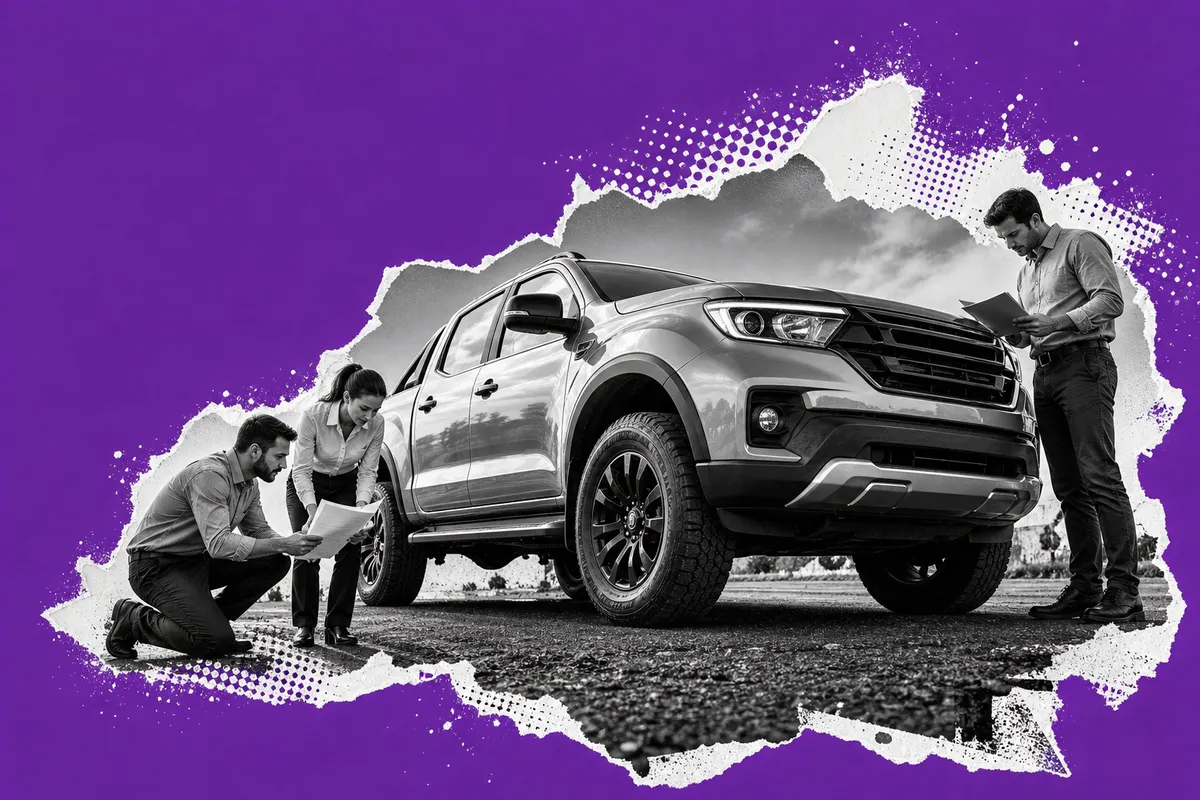
Thinking About a Double-Cab Pickup?
Double-cab pickups have become one of the most popular vehicles on UK roads. They carry a family during the week, tow a trailer at the weekend and handle a muddy building site in between. The trouble is that they are not cheap, and most people spread the cost over time rather than paying upfront.
This guide walks through how paying for one monthly actually works, what it tends to cost, and the things worth checking before you commit. No jargon, no pressure, just the facts.
Who This Guide Is Written For
This is for anyone in the UK weighing up a double-cab pickup on monthly payments, whether you are a sole trader, a limited company director, a farmer, a tradesperson, or a private buyer who simply wants the space and towing ability. It is equally useful if you are buying new or used.
What Double-Cab Pickup Finance Actually Means
Pickup finance is not a separate product with its own rulebook. It is standard motor finance applied to a specific type of vehicle, and the same agreement types you would see on a car are usually available.
The main routes are Hire Purchase, where you pay a deposit then fixed monthly payments and own the vehicle once the final payment clears; Personal Contract Purchase, where part of the value is deferred to a lump sum at the end that you can pay, refinance or walk away from by handing the vehicle back; and leasing or contract hire, where you pay to use the pickup for an agreed term and mileage then return it.
Where pickups differ is classification. Many double-cabs with a payload of one tonne or more have historically been treated as commercial vehicles, which affected VAT recovery and company car tax. That treatment has changed for benefit-in-kind and capital allowances purposes, so the tax position now needs checking carefully rather than assumed.
A pickup is financed like a car but taxed like a moving target. Always confirm the current position before you sign.
How the Process Works From Start to Finish
You will normally begin by working out a realistic monthly budget, then choosing your vehicle and the agreement type that fits how long you want to keep it. A soft search quote can often show you an indicative rate without leaving a mark on your credit file, which is a sensible first step.
When you apply properly, the lender runs a full credit search and an affordability assessment. They will look at your income, your existing commitments and your credit history. Business applicants may be asked for accounts, bank statements or a director's guarantee, particularly for newer companies.
Once approved, you agree the deposit, the term, the annual mileage where relevant, and any balloon payment. The lender pays the dealer directly, you take delivery, and your first payment is usually collected around a month later. Terms commonly run from 24 to 60 months, occasionally longer.
VAT matters too. If the pickup qualifies as a commercial vehicle and you are VAT registered, VAT may be reclaimable on purchase or on lease payments. Your accountant should confirm this before you commit.
Why People Choose to Spread the Cost
A well-specified double-cab pickup can cost anywhere from around £25,000 to well over £60,000 new. Very few buyers, and very few small businesses, want to release that much cash in one go when it could be funding stock, wages or growth instead.
Finance turns an unpredictable capital outlay into a fixed, budgetable monthly figure. With Hire Purchase and PCP the rate is normally fixed for the whole term, so you know exactly what leaves your account each month. That predictability is genuinely valuable when you are managing seasonal income.
There is also a practical argument. Pickups are working vehicles that accumulate mileage and wear quickly. PCP and leasing shift much of the depreciation risk to the lender, because the future value is agreed at the outset. If the used market softens, that is not your problem at handback.
Finally, ownership routes like Hire Purchase build an asset you keep, which suits anyone who plans to run a vehicle for many years and rack up serious mileage.
Weighing It Up: The Balance Sheet
| Advantages | Trade-offs |
|---|---|
| Fixed monthly payments make budgeting straightforward | You pay interest, so the total cost exceeds the cash price |
| Preserves working capital for the business | Mileage and condition limits apply on PCP and leasing |
| Depreciation risk can sit with the lender on PCP and lease deals | The vehicle can be repossessed if you fall behind |
| Possible VAT and tax efficiencies for qualifying commercial use | Tax treatment of double-cabs has tightened, reducing some benefits |
| Wide choice of lenders and terms across new and used stock | Early settlement or early termination can carry costs |
| Access to newer, safer, more efficient vehicles sooner | You do not own the vehicle until the final payment on HP or PCP |
Details That Catch People Out
The headline monthly payment is rarely the whole story. Compare the total amount payable and the APR, not just the figure in the advert, because a longer term with a lower payment often costs considerably more overall.
Pay close attention to the balloon payment on a PCP. It is based on a projected future value and an agreed mileage. Go over that mileage, or return the pickup with damage beyond fair wear and tear, and you may face charges at the end. Working vehicles are especially prone to load bed scuffs, dents and stone chips.
Check the tax position rather than relying on what was true a few years ago. The rules covering double-cab pickups, benefit-in-kind and capital allowances have changed, and transitional arrangements may apply depending on when the vehicle was ordered or first registered. Speak to your accountant.
Also confirm that any accessories, hard tops or racks are declared, that insurance is in place before collection, and that the agreement permits your intended business use.
Other Routes Worth Considering
- Buy outright with cash or savings. No interest, no restrictions, and full flexibility to sell whenever you like, though it ties up capital.
- Business contract hire. Fixed-cost use over an agreed term with no disposal risk, often with maintenance bundled in, but you never own the vehicle.
- Finance lease. Popular with VAT-registered businesses, with rentals covering the vehicle cost and flexibility at the end of the primary period.
- Buy a used pickup on Hire Purchase. Steeper initial depreciation has already happened, so monthly payments can be noticeably lower.
- A commercial loan or unsecured personal loan. You own the vehicle from day one, though rates depend heavily on your credit profile.
- A large van or estate instead. If you rarely tow or carry loads off-road, a cheaper alternative may do the job better.
- Short-term hire. Sensible if you only need pickup capability for a few weeks a year.
Common Questions, Answered Plainly
Is a double-cab pickup still classed as a commercial vehicle? For VAT purposes, many double-cabs with a payload of one tonne or more continue to be treated as commercial vehicles. However, the treatment for benefit-in-kind and capital allowances has changed, so a pickup may be taxed more like a car. Always confirm the current rules with your accountant or HMRC.
Can I get pickup finance as a sole trader? Yes. Sole traders, partnerships and limited companies can all apply, as can private individuals. Newer businesses may be asked for additional documentation or a personal guarantee.
What deposit will I need? Deposits commonly sit around 10 percent, though some agreements are available with little or no deposit. A larger deposit generally reduces both the monthly payment and the total interest.
Does applying harm my credit score? A soft search quote does not affect your score. A full application involves a hard credit search, which is recorded on your file.
Can I settle early? Yes. You can request a settlement figure at any point. Statutory rules may reduce the interest you owe, but check whether any charges apply.
Can I finance a used pickup? Absolutely. Many lenders fund used vehicles, subject to age and mileage limits at the end of the agreement.
Where Kandoo Fits In
Kandoo is a UK motor finance broker, which means we search across a panel of lenders rather than pushing one product. You can get an indicative quote using a soft search that does not affect your credit score, then compare Hire Purchase, PCP and other options side by side with the total cost shown clearly.
We explain the paperwork in plain English, flag anything that deserves a second look, and never pressure you into a decision. If the numbers do not work, we will say so.
Important Information
This article is general information only and is not financial, tax or legal advice. Finance is subject to status, affordability checks and lender criteria, and rates vary. Tax treatment of double-cab pickups can change and depends on individual circumstances, so please consult a qualified accountant or HMRC. Kandoo is a credit broker, not a lender. Missing payments could affect your credit rating and the vehicle may be at risk.
Buy now, pay monthly
Buy now, pay monthly