Does an EV Battery Warranty Transfer to a New Owner?
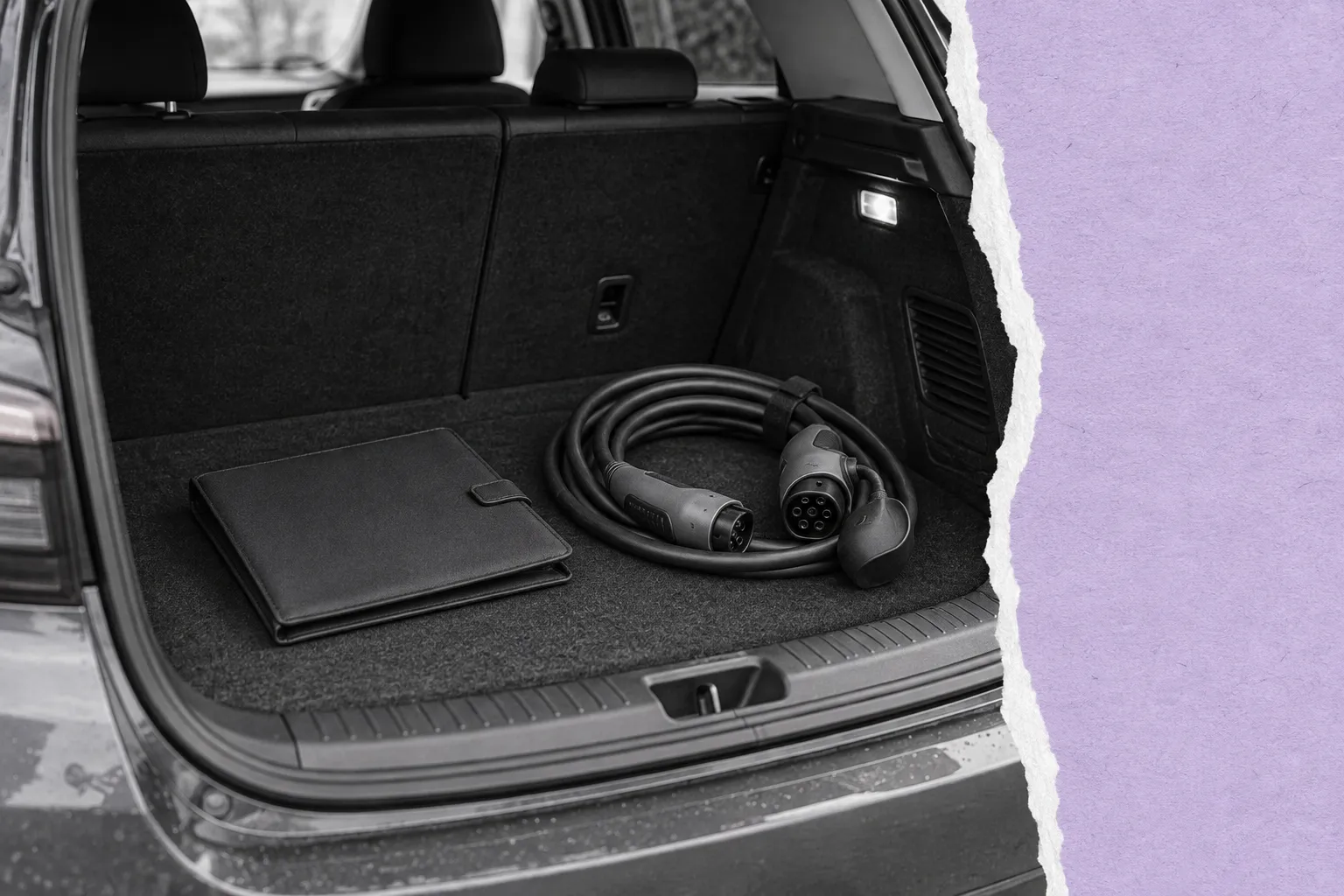
Many EV battery warranties follow the car, but the remaining cover depends on its original terms. Check the VIN, mileage, transfer process and capacity protection before buying.
A used EV advertised with an “eight-year battery warranty” may have much less cover left when you buy it. Many manufacturer warranties follow the vehicle to a new owner, but ownership transfer normally passes on the remaining cover—it does not restart the clock.
You need the terms for the exact car, including its time and mileage limits and any transfer process. Begin with the VIN, first-registration date, current mileage and model variant so the manufacturer or authorised dealer can confirm the applicable cover.
Work out when the cover will run out
Consider an illustrative warranty lasting eight years or 100,000 miles. A five-year-old car with 72,000 miles has:
Limit
- Time. Remaining in this example: Up to three years.
- Mileage. Remaining in this example: 28,000 miles.
At 18,000 miles a year, the mileage limit could end cover well before those three years pass. This example is not a particular brand’s policy.
Ask whether the start date was registration, delivery or another specified event. Ex-demonstrators and pre-registered vehicles may have begun their warranty before the first retail buyer collected them. Confirm the end date rather than calculating only from the advert's model year.
Before signing, compare expected warranty expiry with how long you intend to keep and finance the car. A four-year agreement on a vehicle with one year of battery cover leaves a different exposure from four years of confirmed remaining protection. That does not automatically make the car unsuitable, but it belongs in your budget.
Confirm the warranty and the transfer procedure
An electric car has a high-voltage traction battery that powers the motor and usually a separate low-voltage battery supporting other electrical systems. Their warranty periods can differ. A promise about the main battery does not necessarily cover a flat low-voltage battery.
The vehicle may also have several layers of protection: the remaining manufacturer warranty, a used-car warranty supplied by the retailer and an optional third-party product. Ask for each document separately. Do not assume the used-car policy covers battery degradation simply because it covers some electrical components.
Two examples of different brand transfer processes
Processes differ between brands. Tesla's UK support guidance says its new-vehicle warranty follows the vehicle when ownership is transferred through Tesla. Kia's UK guidance says the remaining warranty transfers with the car without a separate transfer form, while recommending that the new owner registers their details.
These are examples, not a universal procedure. Ask the manufacturer what you must do for the specific VIN, particularly with an imported car, a vehicle bought privately or one previously used commercially. Save its written answer with the sale documents.
App access, connected services and warranty administration can be separate issues. A successful transfer in the infotainment app is not a substitute for confirming the warranty's remaining time and mileage. Equally, buying outside the brand's dealer network does not by itself prove there is no remaining manufacturer cover.
A battery defect and reduced capacity are different claims
A warranty may cover a battery defect, a specified loss of capacity or both. Gradual reduction in range is not automatically a covered failure. Capacity protection may have a stated minimum threshold and a manufacturer-defined test procedure.
If capacity falls below the relevant threshold, the remedy may be repair or restoration to the warranted level, rather than a brand-new battery with 100% capacity. Read the actual remedy and exclusions before assuming the manufacturer will replace the entire pack.
A dashboard range figure is affected by recent driving, temperature and settings. It is not a reliable standalone warranty test. Ask how the manufacturer measures capacity and whether any existing battery report was produced by an accepted method.
History can change what the warranty means in practice
Check that required servicing and relevant maintenance have been carried out, and ask about warning messages, charging faults and previous battery repairs. Look for invoices describing what was repaired or replaced and under which warranty.
A replacement battery does not automatically start a new full vehicle-length warranty. Ask which cover now applies to that component and when it expires. The answer can differ between a warranty repair and a battery purchased separately.
Undisclosed modifications, damage, salvage history or unsuitable repairs can complicate cover. Do not decide that the entire warranty is void merely because one invoice is missing, but do not accept an unsupported assurance either. Put the facts to the manufacturer and ask for confirmation before paying.
A warranty is not a condition report
A warranty does not tell you whether the car is suitable for your driving. Test the available range, charging behaviour and features you need. Where a battery-health report is available, check its date, method and vehicle details rather than accepting an unexplained percentage.
The usual used-car checks still matter, including accident history, tyres, brakes and outstanding finance. Our guide to used EV finance checks brings the battery and purchase questions together.
Keep the warranty wording and VIN-specific confirmation with the advert and sale documents. When arranging electric-car finance, use the actual cover end date in your ownership budget.
Buy now, pay monthly
Buy now, pay monthly