Can You Get Car Finance for a Cat N Car?
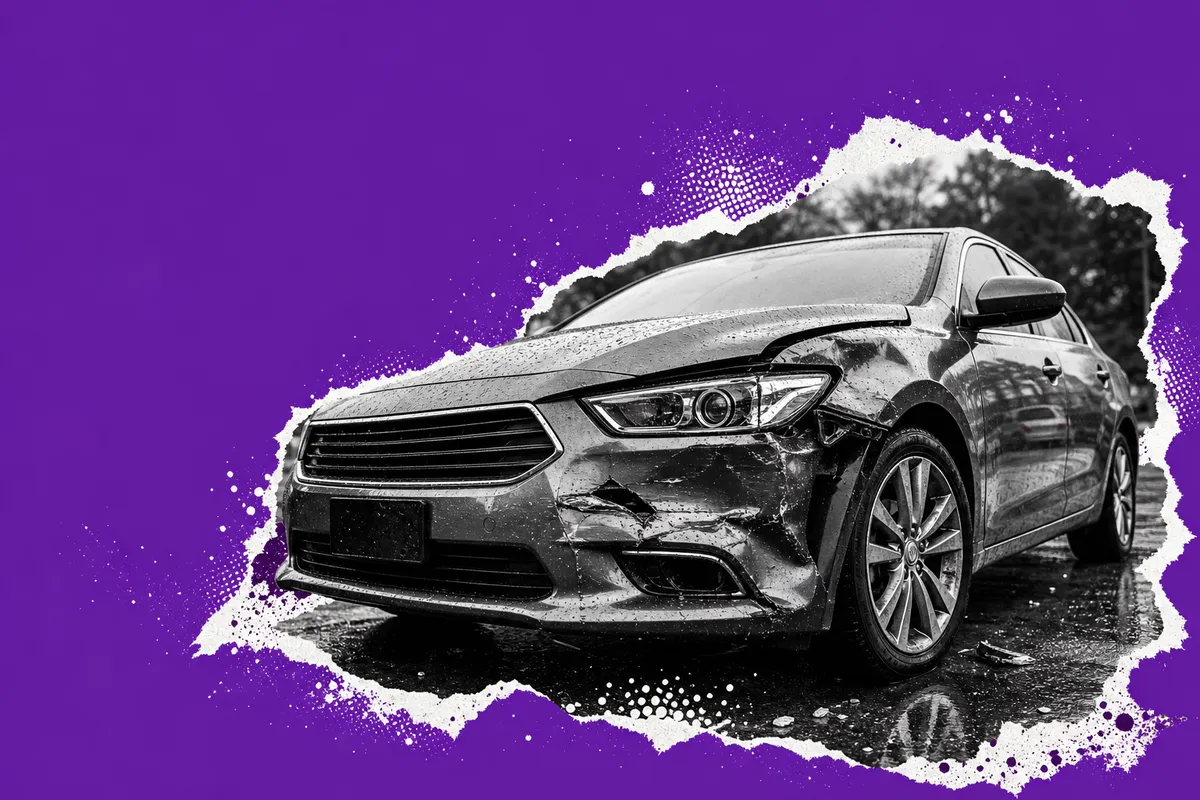
Buying a Written-Off Car? Here's Where Finance Stands
You've found a car you like, the price looks unusually good, and then you spot two letters in the advert: Cat N. It means the car has been written off by an insurer at some point and later repaired. The car may drive perfectly well, but the label sticks with it for life - and it can change how lenders look at your application. Here's what that means in practice, in plain English, so you can decide with your eyes open.
Who This Guide Is Written For
This is for anyone in the UK considering a used car marked Cat N (or Cat S) and hoping to spread the cost. It's equally useful if you already own a written-off car and want to refinance it, or if you simply want to understand what those category markers really mean before you commit.
What a Cat N Marker Actually Means
Cat N stands for "Category N - non-structural damage". It's part of the insurance write-off system used across the UK, and it replaced the old Category D marker in 2017.
A write-off doesn't always mean a wreck. It means an insurer decided that repairing the car wasn't economical compared with its market value. With Cat N, the damage was not structural: the chassis, crumple zones and safety cage were not affected. The issue could have been cosmetic panel damage, electrical faults, flood-related damage, water ingress, or even theft recovery with parts missing. A £1,500 repair bill on a £1,800 car is enough to trigger a write-off, even if the fault was minor.
Crucially, Cat N cars can legally be repaired and returned to the road without a formal re-inspection. That's a very different picture from Category S (structural damage) or Categories A and B, which must be scrapped and can never legally be driven again.
Cat N tells you the damage wasn't structural. It doesn't tell you how well the car was repaired.
How Financing a Cat N Car Works in Practice
Most mainstream motor finance is secured against the vehicle itself. If you stop paying, the lender needs to recover its money by selling the car - so the value and saleability of that car matters enormously to them. A permanent write-off marker reduces both, which is why many high street and prime lenders decline Cat N vehicles outright as a matter of policy.
That said, "many" isn't "all". A number of lenders in the UK market will consider Cat N cars, usually with conditions attached. Typically they'll want the repairs documented, an independent inspection or engineer's report, a valuation that reflects the marker, and sometimes a larger deposit to reduce their exposure. Age and mileage limits are often tighter too.
The practical route is usually a hire purchase agreement rather than PCP, because PCP relies on predicting a guaranteed future value - and future values for write-offs are hard to forecast reliably. Alternatively, an unsecured personal loan sidesteps the vehicle question entirely, because the lending decision rests on you rather than the car.
Why People Still Choose Cat N Cars
The appeal is simple: price. A Cat N car often sells for 20% to 40% less than an equivalent car with a clean history. That can put a newer model, a higher trim level, or a lower-mileage example within reach of a budget that wouldn't otherwise stretch that far.
For some buyers the maths genuinely works. If the original damage was a scuffed bumper and a broken headlight on a five-year-old hatchback, and the repair was carried out properly with documented evidence, you may be getting a sound car for meaningfully less money. Insurers write cars off on cost logic, not on safety verdicts.
There's also a practical angle: if you intend to keep the car for many years rather than trade it in after three, the resale penalty matters far less to you than it would to someone changing cars regularly. The saving is realised on day one; the cost is felt mainly at the point of sale.
Weighing It Up
| Potential upsides | Points of caution |
|---|---|
| Lower purchase price, often 20-40% below equivalent clean-history cars | Many prime lenders decline write-offs, narrowing your choice |
| Access to a newer or better-specified car for the same budget | Interest rates may be higher where lenders do accept them |
| Cat N damage is, by definition, non-structural | Repair quality is not independently verified or certified |
| Legal to drive with no mandatory re-inspection required | Insurance can cost more, and some insurers refuse cover |
| Good value if you plan to keep the car long term | Resale and part-exchange values stay permanently reduced |
| Hire purchase or a personal loan can still be viable | PCP is often unavailable due to unpredictable future values |
Details Worth Checking Before You Sign
Start with a full vehicle history check from a reputable provider. It should confirm the category, the date of the write-off, outstanding finance, mileage discrepancies and any theft records. If a seller hasn't disclosed the marker up front, treat that as a serious warning sign.
Next, ask for evidence of the repair: invoices, parts receipts, photographs of the damage before and after, and the name of the garage that carried out the work. "Repaired professionally" means very little without paperwork. An independent inspection by a qualified engineer, or an AA or RAC pre-purchase check, is money well spent here.
Get an insurance quote before you commit, not after. Some insurers will decline Cat N vehicles altogether, and others load the premium. Also check how your total cost of borrowing compares: a cheaper car on a much higher APR can quietly erase the saving.
Finally, be realistic about exit. When you come to sell or part-exchange, the marker follows the car and you must disclose it.
Other Routes to Consider
- A clean-history used car on hire purchase or PCP. Often the simplest path, with a far wider pool of lenders and better rates that can offset the higher purchase price.
- An unsecured personal loan. The lending decision is based on your circumstances rather than the vehicle, so the Cat N marker becomes largely irrelevant - and you own the car outright from day one.
- A Cat S car with a professional inspection. Structural damage sounds worse, but a properly repaired and independently verified Cat S can sometimes be better documented than an unverified Cat N.
- A cheaper clean-history car, bought outright. Trading down on age or specification to avoid borrowing entirely removes interest costs and lender restrictions.
- Leasing or a subscription. No ownership, no resale risk, and fixed monthly costs - though you'll never own the vehicle.
- Waiting and saving a larger deposit. A bigger deposit widens lender appetite and lowers your monthly payments on any vehicle.
Common Questions Answered
Is it legal to drive a Cat N car in the UK? Yes. Cat N vehicles can be repaired and driven on public roads. Unlike Category A and B write-offs, they are not required to be scrapped, and no mandatory re-inspection applies.
Will all lenders refuse a Cat N car? No, but a significant number will. Prime and manufacturer-linked lenders often decline write-offs by policy, while some specialist and non-prime lenders will consider them, usually with conditions such as documented repairs, a larger deposit or an independent inspection.
Can I get PCP on a Cat N car? Rarely. PCP depends on a guaranteed minimum future value, and write-off markers make future values difficult to forecast. Hire purchase is the more common route.
Does a Cat N marker ever disappear? No. It is recorded permanently against the vehicle identification number and will show on any history check for the life of the car.
Do I have to tell buyers when I sell it? Yes. Failing to disclose a write-off marker could leave you open to a misrepresentation claim, and any buyer running a history check will find it anyway.
Will my insurance definitely be more expensive? Not always, but it can be, and some insurers won't quote at all. Always check before committing to the purchase.
Where Kandoo Fits In
As a UK motor finance broker, Kandoo works with a broad panel of lenders rather than a single one - so we can tell you quickly and honestly whether a particular vehicle is likely to be financed, and on what terms. We'll explain the total cost of borrowing in plain figures, flag where a Cat N marker may cause difficulty, and set out any alternatives worth considering. No pressure, no jargon, just a clear picture before you decide.
Important Information
This article is general information only and is not financial, legal or mechanical advice. It does not take account of your personal circumstances. Lender criteria, insurance availability and vehicle values vary and can change. Always obtain a full history check, an independent inspection and an insurance quote before purchasing a written-off vehicle. Kandoo is a credit broker, not a lender. Approval is subject to status and affordability checks.
Buy now, pay monthly
Buy now, pay monthly